⚠️ Medical Disclaimer: This article is for informational purposes only and does not constitute medical advice. Chest pain and tightness should always be evaluated by a doctor to rule out cardiac causes.
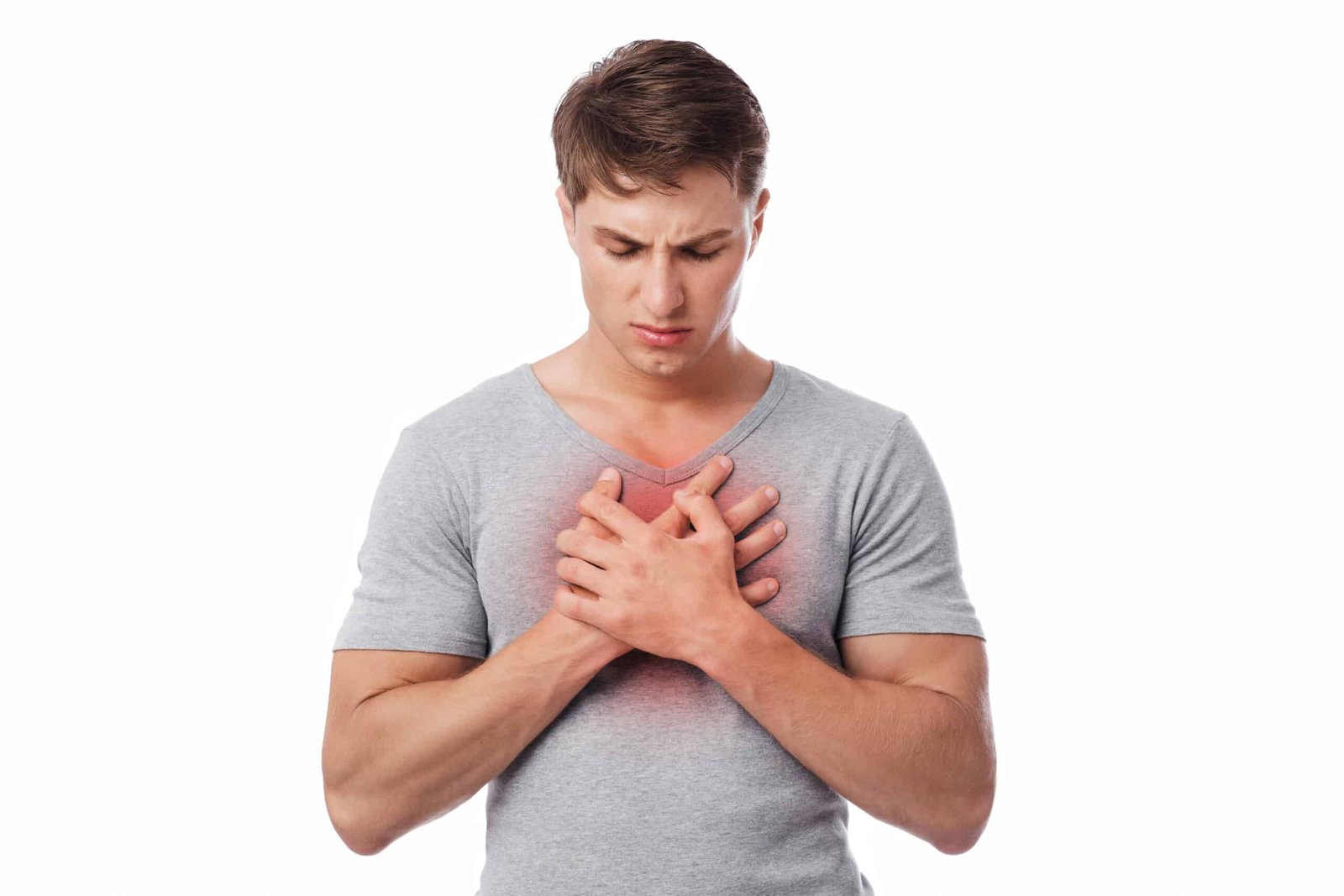
Chest tightness is one of the most common — and most alarming — symptoms of anxiety. The sensation of pressure, squeezing, or constriction in the chest triggers an immediate fear response in most people: “Is this my heart?” Understanding exactly why anxiety produces chest tightness — and how to distinguish it from cardiac causes — is both reassuring and practically useful.
Why Anxiety Causes Chest Tightness
Intercostal and Respiratory Muscle Tension
Anxiety activates the fight-or-flight response, which causes a widespread increase in muscle tone — including the intercostal muscles between the ribs and the accessory breathing muscles of the chest and neck. When these muscles are chronically or acutely tense, they produce a genuine sensation of tightness, pressure, and restricted movement in the chest. This is muscular, not cardiac — but it can feel indistinguishable from cardiac chest discomfort. Research in Dialogues in Clinical Neuroscience (2013) documented musculoskeletal chest symptoms as a primary somatic manifestation of anxiety.
Hyperventilation and Respiratory Alkalosis
Anxiety-related hyperventilation — breathing too fast or too shallow — drops CO₂ levels, causing respiratory alkalosis. This directly causes the intercostal and chest muscles to cramp and tighten, and produces a sensation of chest constriction that is entirely physiological. Research in the Journal of Psychosomatic Research (2001) confirmed hyperventilation-induced alkalosis as a primary driver of chest symptoms in anxiety — including tightness, pain, and the sensation of not being able to breathe deeply enough.
Costochondritis and Chest Wall Inflammation
Chronic muscle tension from anxiety can produce or exacerbate costochondritis — inflammation of the cartilage connecting the ribs to the sternum. This produces localised chest tenderness that worsens with pressure or deep breathing. Research has documented the association between anxiety disorders and musculoskeletal chest pain — including costochondritis — with anxiety patients significantly overrepresented in non-cardiac chest pain presentations.
Oesophageal Spasm
The oesophagus runs directly behind the sternum, and oesophageal spasm — smooth muscle cramping triggered by stress and anxiety — produces chest pain and tightness that can closely mimic cardiac symptoms. It may also produce a sensation of something stuck in the chest. This is one reason why anxiety-related chest tightness is sometimes confused with cardiac or gastrointestinal conditions.
Autonomic Nervous System Effects on the Heart
The sympathetic activation of anxiety increases heart rate and the force of cardiac contraction — which some people perceive as chest pressure or heaviness even in the absence of any cardiac pathology. The heightened interoceptive awareness of anxiety (hypervigilance to body sensations) amplifies these normal sensations into perceived tightness.
Anxiety Chest Tightness vs Cardiac Chest Pain: Key Differences
This distinction matters — and should always be confirmed medically for new or severe symptoms. However, anxiety-related chest tightness typically has characteristic features:
- Anxiety chest tightness: Often bilateral, distributed across the chest; worsens with breathing and movement; associated with other anxiety symptoms (dizziness, palpitations, tingling); improves with slow breathing; occurs at rest rather than with exertion; may fluctuate with emotional state
- Cardiac chest pain: Often localised, may radiate to jaw, arm, or back; typically triggered or worsened by exertion; may be accompanied by sweating, nausea, or pallor; does not improve with breathing or position changes; requires immediate medical evaluation
Always seek immediate medical attention if: chest pain is severe, crushing, or radiating; accompanied by jaw or arm pain; occurs during exertion; accompanied by shortness of breath, sweating, or fainting; or if you have any history of heart disease.
Evidence-Based Relief Strategies
Slow Diaphragmatic Breathing (Most Direct)
Slow breathing raises CO₂, reverses respiratory alkalosis, and directly relaxes intercostal muscles. Exhale fully before inhaling — this maximally deflates the lungs and releases chest muscle tension. Extended exhale breathing (4 in, 8 out) activates the vagus nerve and shifts the nervous system toward parasympathetic dominance. See our full breathing guide.
Heat Application
A warm compress or hot water bottle placed on the chest relaxes intercostal muscle tension and provides immediate symptomatic relief. Heat is a direct muscle relaxant and activates parasympathetic skin receptors.
Progressive Muscle Relaxation
Systematically tensing and releasing the chest and shoulder muscles teaches the nervous system to recognise and discharge the chronic tension that drives chest tightness. A 2016 meta-analysis in PLOS ONE found PMR significantly reduced anxiety-related physical symptoms including chest discomfort.
Magnesium Glycinate
Magnesium is essential for muscle relaxation — it counteracts calcium’s muscle-contracting action. Deficiency directly increases muscle excitability and cramp tendency. 200–400mg of magnesium glycinate daily reduces the muscular contribution to anxiety chest tightness over time. Read our magnesium guide.
Posture Correction
Anxious posture — rounded shoulders, forward head position, compressed chest — mechanically restricts chest expansion and worsens muscle tension. Consciously opening the chest (shoulder blades back and down, chin neutral) immediately creates more space for breathing and reduces the physical sensation of tightness.
The Bottom Line
Anxiety-related chest tightness is real, mechanically explicable, and not dangerous — once cardiac causes have been appropriately ruled out. It is produced by intercostal muscle tension, hyperventilation-induced alkalosis, and oesophageal spasm — all of which respond to slow breathing, magnesium, heat, and muscle relaxation. The most important thing is to get a medical evaluation for new chest symptoms, and then — once reassured — to treat the anxiety that is driving them rather than continuing to fear the symptoms themselves.
💡 Important: New, severe, or exertion-related chest symptoms always warrant medical evaluation before attributing them to anxiety. This article is for people whose chest tightness has already been medically assessed and attributed to anxiety or stress.
❓ Frequently Asked Questions
Why does anxiety cause chest tightness?
Anxiety-induced chest tightness is caused by sustained contraction of the chest and intercostal muscles during the fight-or-flight response, combined with rapid shallow breathing (which reduces lung expansion) and hyperventilation. Increased heart rate and cardiovascular activation during anxiety also contribute to chest discomfort.
How do I relieve anxiety chest tightness?
Slow diaphragmatic breathing immediately reduces anxiety-related chest tightness by relaxing the respiratory muscles and normalizing CO2 levels. Progressive muscle relaxation targeting the chest and shoulders can release sustained muscular tension. Heat (a warm shower or heating pad) can also relax tight chest muscles.
When should I be worried about chest tightness?
Seek emergency medical attention if chest tightness is severe, crushing, or pressure-like; radiates to the left arm, jaw, or back; is accompanied by sweating, nausea, or shortness of breath; or occurs during physical exertion. Always rule out cardiac causes before attributing chest tightness to anxiety.
Can anxiety cause chest pain for days?
Anxiety can cause persistent chest discomfort lasting days, particularly if underlying muscle tension is not resolved. Chronic anxiety maintains sustained muscle contraction and altered breathing patterns that keep the chest tight. Addressing the anxiety and practicing breathwork and relaxation typically resolves persistent chest symptoms.
Is anxiety chest tightness the same as a heart attack?
No. Anxiety chest tightness is typically diffuse, dull, or pressure-like and associated with stress, breathing changes, and other anxiety symptoms. Heart attack pain is typically crushing, radiates to the arm or jaw, and is accompanied by sweating and severe shortness of breath. When in doubt, always seek medical evaluation.
Looking for something specific?
Search all our science-backed articles on natural anxiety relief.