⚠️ Medical Disclaimer: This article is for informational purposes only and does not constitute medical advice. Always consult a qualified healthcare provider if you are experiencing physical symptoms that concern you.
Yes — anxiety absolutely causes physical symptoms. And for many people, these physical symptoms are the most distressing part of the experience. Chest tightness, heart palpitations, nausea, dizziness, muscle tension, fatigue, headaches, digestive problems — all of these can be produced directly by anxiety, often without any underlying physical disease.
Understanding why this happens — the exact physiological mechanisms — is one of the most powerful steps toward reducing both the symptoms and the fear they generate.
The Physiology of Anxiety: Why Your Body Reacts
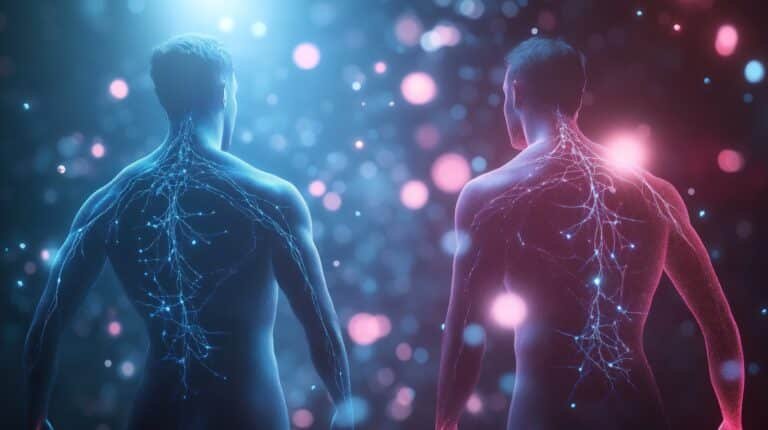
Anxiety triggers the body’s fight-or-flight response — a rapid cascade of hormonal and neurological changes evolved to prepare the body for immediate physical threat. When this system activates, it produces a coordinated set of physiological changes designed to maximise survival. Every one of these changes can produce physical symptoms.
A comprehensive review published in Dialogues in Clinical Neuroscience (2013) outlined how anxiety activates the hypothalamic-pituitary-adrenal (HPA) axis and sympathetic nervous system simultaneously — producing the hormonal and neural cascade responsible for anxiety’s physical manifestations.
The Most Common Physical Symptoms of Anxiety — and Why They Happen
Heart Palpitations and Racing Heart
Adrenaline (epinephrine) released during anxiety directly stimulates the heart to beat faster and harder — increasing cardiac output to deliver more oxygen to muscles. This produces palpitations, a pounding sensation, or a racing heartbeat. The heart is doing exactly what it’s supposed to do; it just feels alarming out of context. Research in the Journal of Psychosomatic Research (2012) found that unexplained cardiac symptoms in emergency settings are attributable to anxiety or panic in a substantial proportion of cases.
Chest Tightness and Shortness of Breath
Anxiety causes the intercostal muscles (between the ribs) and diaphragm to tighten, and changes breathing patterns toward faster, shallower breaths. This produces genuine chest tightness and a sensation of not being able to get enough air — even when oxygen levels are completely normal. The feeling of breathlessness in anxiety is caused by altered breathing mechanics, not insufficient oxygen.
Nausea and Digestive Upset
The gut has its own nervous system — the enteric nervous system — with more neurons than the spinal cord. It is in constant bidirectional communication with the brain via the gut-brain axis and vagus nerve. During the fight-or-flight response, digestion is suppressed (energy is redirected to muscles), stomach acid production changes, and gut motility is disrupted. This produces nausea, stomach cramps, diarrhoea, or the sensation of “butterflies.” A 2013 review in Alimentary Pharmacology and Therapeutics documented the strong bidirectional relationship between anxiety and gastrointestinal symptoms.
Muscle Tension and Trembling
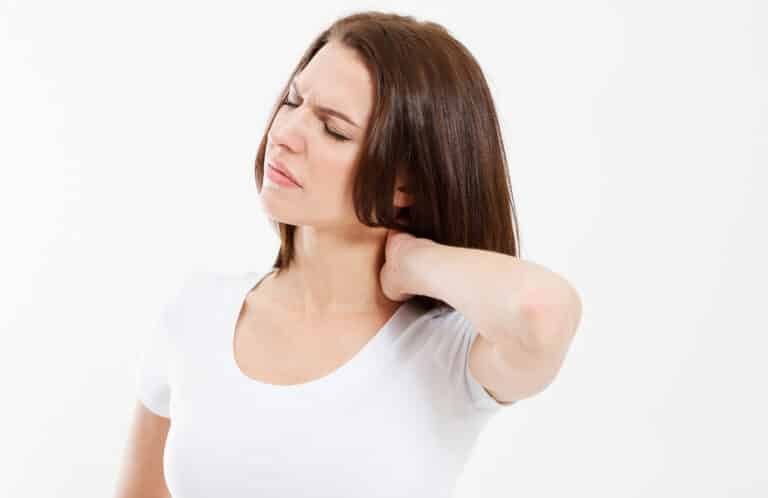
The fight-or-flight response prepares muscles for action by increasing their tone — essentially putting them on standby. Chronic anxiety means muscles are chronically semi-contracted. This produces tension headaches, neck and shoulder pain, jaw clenching (bruxism), lower back pain, and generalised muscle aching. Trembling or shaking occurs when this muscle activation is particularly intense or prolonged.
Sweating
Sweating is directly controlled by the sympathetic nervous system. During anxiety, sympathetic activation increases sweat gland activity — producing sweating of the palms, underarms, face, or entire body. This is the same mechanism behind the cold sweat of fear.
Dizziness and Lightheadedness
Anxiety-related hyperventilation drops CO₂ levels in the blood, causing cerebral vasoconstriction and reduced brain blood flow. The result is dizziness, lightheadedness, and sometimes a floating or unreal sensation. Research in the Journal of Psychosomatic Research (2001) confirmed hyperventilation as the primary driver of anxiety-related vestibular symptoms. Read more in our article on anxiety and dizziness.
Fatigue
The stress hormones released during anxiety — cortisol and adrenaline — are energetically expensive to produce and physiologically draining to sustain. Chronic anxiety means the body is chronically running a stress response, depleting energy reserves, disrupting sleep, and leaving people exhausted. A 2008 study in Psychiatry Research found that fatigue was among the most commonly reported and most debilitating physical symptoms in generalised anxiety disorder.
Headaches
Tension headaches — the most common type — are directly produced by the chronic muscle tension anxiety creates in the scalp, neck, and jaw muscles. Additionally, the vasoconstrictive effects of hyperventilation and stress hormones can trigger or worsen vascular headaches in susceptible individuals.
Tingling and Numbness
Hyperventilation-induced hypocapnia (low CO₂) causes changes in nerve cell excitability that produce tingling, numbness, or a pins-and-needles sensation — most commonly in the hands, feet, and around the mouth. This is one of the most commonly misinterpreted anxiety symptoms, often triggering fears of stroke or neurological disease.
Frequent Urination
The fight-or-flight response causes the detrusor muscle of the bladder to contract — a preparation to “lighten the load” before exertion. This produces the urge to urinate frequently during anxious periods, even when the bladder is not full.
Dry Mouth
Sympathetic nervous system activation suppresses salivary gland activity (digestion is deprioritised during stress), producing dry mouth and sometimes difficulty swallowing.
Chronic Anxiety and the Body: Longer-Term Physical Effects
Acute physical symptoms resolve when the anxiety episode passes. But chronic, sustained anxiety produces longer-term physical changes through prolonged HPA axis activation and elevated cortisol:
- Immune suppression — chronic cortisol elevation reduces immune function, increasing susceptibility to illness. Documented in Psychological Bulletin (2004)
- Cardiovascular strain — sustained elevated heart rate and blood pressure increase long-term cardiovascular risk
- Gut microbiome disruption — chronic stress alters the gut microbiome composition, which feeds back to worsen anxiety via the gut-brain axis
- Sleep disruption — elevated cortisol and sympathetic activation interfere with sleep architecture, particularly deep sleep
- Inflammation — chronic stress drives systemic inflammation, which is now recognised as a contributor to both anxiety and depression
Why Physical Symptoms Make Anxiety Worse
Physical symptoms of anxiety create a secondary problem: they are frightening. Chest tightness triggers fear of heart attack. Dizziness triggers fear of neurological disease. Palpitations trigger fear of cardiac arrhythmia. This fear amplifies the original anxiety — worsening the physical symptoms further. This is the physiological basis of the panic attack cycle.
Research by Clark and colleagues published in Cognitive Therapy and Research established the cognitive model of panic disorder — showing that catastrophic misinterpretation of physical symptoms is the primary driver of escalating anxiety and panic. Accurate education about what these symptoms are and what causes them is itself therapeutic.
What Helps: Addressing the Physical Dimension of Anxiety
Breathing Retraining
Slow diaphragmatic breathing directly reverses hyperventilation, normalises CO₂, and shifts the nervous system toward parasympathetic dominance — resolving multiple physical symptoms simultaneously. See our breathing techniques guide.
Progressive Muscle Relaxation
A 2016 meta-analysis in PLOS ONE found that progressive muscle relaxation (PMR) significantly reduced anxiety and its physical symptoms — including muscle tension, headaches, and gastrointestinal symptoms — across multiple studies. Systematically tensing and releasing muscle groups teaches the nervous system to recognise and release chronic tension.
Vagus Nerve Activation
Activating the vagus nerve shifts the autonomic nervous system toward parasympathetic dominance — reducing heart rate, relaxing the gut, reducing muscle tension, and normalising breathing. Read our guide on vagus nerve exercises.
Regular Exercise
A 2015 meta-analysis in Depression and Anxiety found that regular exercise produced significant reductions in anxiety symptoms — including physical symptoms — across 49 studies. Exercise provides a legitimate, controlled outlet for the physiological activation anxiety creates, reducing the body’s overall stress load over time.
Magnesium
Magnesium plays a key role in muscle relaxation, nerve function, and HPA axis regulation. Deficiency amplifies the physical symptoms of anxiety. Read our magnesium guide.
The Bottom Line
Anxiety is a whole-body experience. The physical symptoms it produces are real — generated by genuine physiological mechanisms — and they deserve to be taken seriously and addressed directly, not dismissed.
Understanding what produces these symptoms removes much of their power. A racing heart during anxiety is not a heart attack. Dizziness is not a stroke. Tingling hands are not neurological disease. These are the predictable, reversible consequences of a stress response that has become chronically activated — and they respond to the same evidence-based interventions that address anxiety at its root.
💡 Key resource: The Dialogues in Clinical Neuroscience review (2013) provides an excellent scientific overview of the neurobiology behind anxiety’s physical manifestations.
Looking for something specific?
Search all our science-backed articles on natural anxiety relief.