
By the StopAnxiety.org Research Team | Last Updated: March 2026 | 11 min read
Imagine a supplement that calms your anxiety within 30 minutes — without making you tired, foggy, or dependent. No prescription required. No side effects. Available in every health food store for a few dollars a month.
It sounds too good to be true. But L-theanine is exactly that supplement — and the science behind it is genuinely compelling.
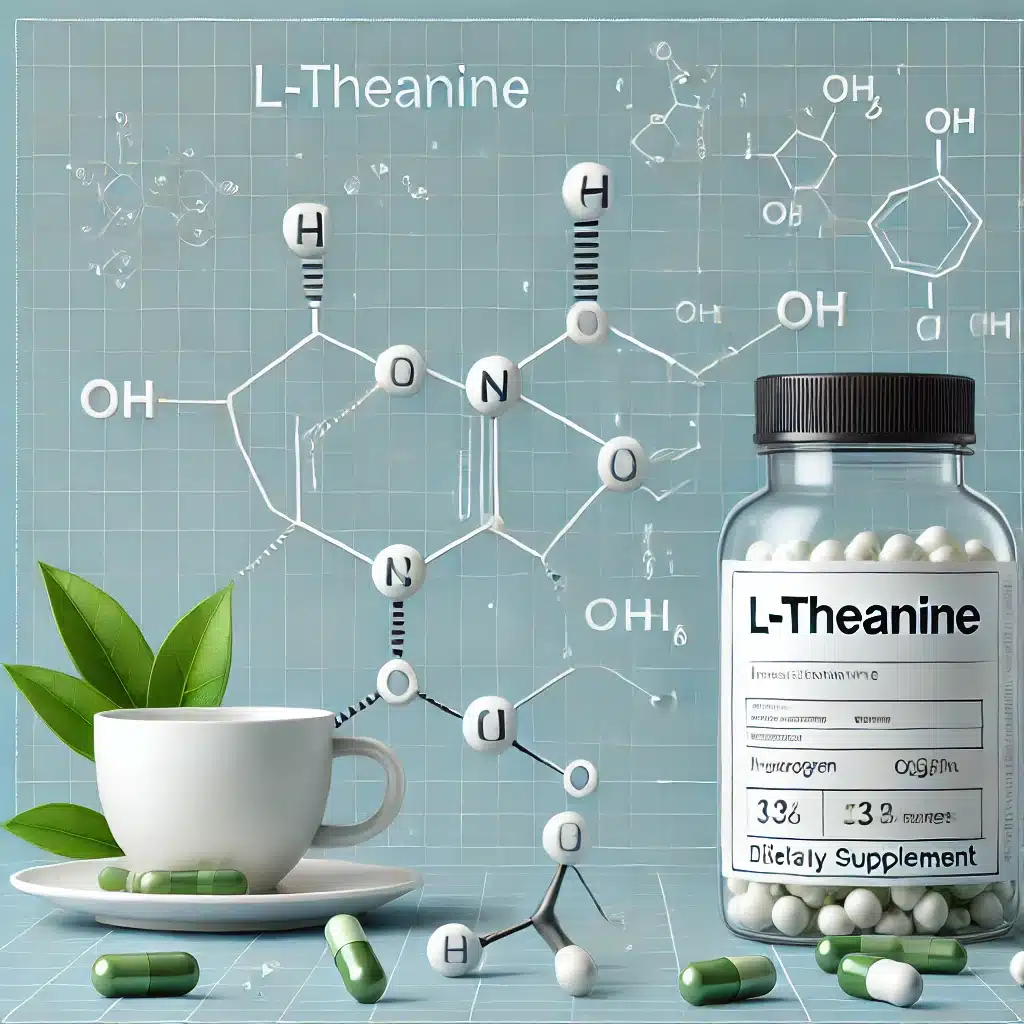
Found naturally in green tea leaves, L-theanine is a unique amino acid that produces a state researchers describe as “alert relaxation” — calm without sedation, focus without tension. It is one of the most studied and best-understood natural anxiety compounds available, with a mechanism of action that is elegantly simple and clinically validated.
This article covers everything you need to know.
📎 Affiliate Disclosure: This article contains affiliate links. We may earn a small commission if you purchase through our links, at no extra cost to you. We only recommend products we personally use and believe in.
“Our recommended L-theanine is Pure Encapsulations L-Theanine — it uses Suntheanine, the clinically studied form, is third-party tested, and free from unnecessary additives.”
What You’ll Learn
- What L-theanine is and where it comes from
- The alpha wave mechanism — why L-theanine is uniquely different
- The four ways it reduces anxiety at the neurochemical level
- What the 2024 clinical research shows
- Dosage, timing, and the caffeine combination
- How to stack it with other supplements for maximum effect
🍃 What Is L-Theanine?
L-theanine is an amino acid found almost exclusively in the leaves of Camellia sinensis — the tea plant. It accounts for much of the calming effect that distinguishes green tea from coffee, despite both containing caffeine. While coffee tends to produce jittery stimulation, green tea produces calm, focused alertness — largely because of L-theanine’s counterbalancing effect on caffeine’s stimulating properties.
L-theanine was first isolated by Japanese researchers in 1949. By 1964, after extensive clinical trials demonstrating both safety and efficacy, Japanese health authorities declared it completely safe and approved its addition to foods — making it one of the earliest natural compounds to receive this level of regulatory recognition.
Today L-theanine is one of the most popular supplements in the world — and the science consistently supports its reputation.
💡 Why green tea feels different from coffee: A standard cup of green tea contains roughly 20–40mg of L-theanine alongside its caffeine. This natural combination is one reason green tea has been associated with calm, sustained focus for thousands of years in Asian cultures — the L-theanine modulates the stimulating effects of caffeine while adding its own calming properties.
🧠 The Alpha Wave Mechanism — What Makes L-Theanine Unique
Of all L-theanine’s properties, its effect on brain wave activity is perhaps the most fascinating — and the most directly relevant to anxiety.
Brain waves exist on a spectrum. Beta waves dominate during active, alert, or anxious thinking. Alpha waves dominate during relaxed, calm, focused states — the mental state associated with flow, creativity, and the period just before sleep. Theta waves are associated with deeper relaxation and light sleep.
L-theanine is one of the very few compounds known to reliably increase alpha brain wave activity in awake humans — producing a measurable neurological shift toward calm, focused relaxation without inducing drowsiness.
In human studies, L-theanine has been shown to increase alpha wave activity in the brain, especially in individuals with moderate to high anxiety levels — and alpha waves are associated with a relaxed but alert mental state. Life Extension
A clinical study conducted at the Wellington Sleep Investigation Centre at the University of Otago found that a single 200mg dose of L-theanine produced significant increases in tonic alpha brainwave activity, along with reductions in heart rate and measures of anxiety and fatigue, compared with placebo. Whole Foods Magazine
💡 What this means in practice: When L-theanine shifts your brain toward alpha wave dominance, you feel noticeably calmer — but still mentally sharp. Anxious thoughts quiet down. Physical tension releases. You remain fully functional, clear-headed, and present. This is fundamentally different from the blunting effect of sedative compounds or the rebound anxiety that follows stimulant use.
⚗️ Four Neurochemical Mechanisms Behind L-Theanine’s Anxiety Relief
🔵 1. GABA Enhancement
L-theanine increases brain levels of GABA — the principal inhibitory neurotransmitter — accompanied by upregulation of GABA receptor expression and reduction in glutamate release, collectively supporting inhibition of neuronal overactivity and reduction of stress-induced excitability. Africanjournalofbiomedicalresearch
GABA is your brain’s primary “calm down” signal. When GABA activity is robust, anxiety subsides, muscles relax, and the nervous system settles. L-theanine supports this system naturally — without the dependency risk associated with GABA-enhancing medications like benzodiazepines.
🔵 2. Glutamate Inhibition
Glutamate is the brain’s primary excitatory neurotransmitter — the accelerator. In anxious brains, glutamate activity is often excessive, keeping neurons in a state of hyperexcitation that manifests as racing thoughts, hypervigilance, and inability to relax.
L-theanine acts as a partial antagonist at glutamate receptors — specifically NMDA receptors — dampening excessive excitatory activity without blocking normal cognitive function. This is the same receptor type targeted by magnesium — one reason L-theanine and magnesium glycinate work so well together.
🔵 3. Serotonin and Dopamine Modulation
In various brain regions including the striatum and hippocampus, L-theanine administration has been associated with increased levels of dopamine and serotonin — neurotransmitters that play essential roles in mood regulation, emotional processing, and cognitive performance. Africanjournalofbiomedicalresearch
Dopamine supports motivation, pleasure, and emotional resilience. Serotonin supports mood stability and emotional regulation. The gentle upregulation of both contributes to L-theanine’s mood-lifting, anxiety-reducing effects — particularly with consistent daily use.
🔵 4. HPA Axis Regulation and Cortisol Reduction
L-theanine has shown promise in modulating neurotransmitters such as GABA, serotonin, and dopamine, enhancing alpha brain wave activity, and regulating the hypothalamic-pituitary-adrenal axis. Africanjournalofbiomedicalresearch
A 2024 clinical trial found that taking 400mg of L-theanine daily significantly reduced feelings of stress — with significantly lower levels of self-perceived stress corresponding with a decrease in morning salivary cortisol — showing that L-theanine can reduce general stress over an extended period in people who experience regular stress. Life Extension
📊 What the 2024 Clinical Research Shows
In a systematic review of nine randomized controlled studies including a total of 270 people, L-theanine treatment — most studies tested a single dose of 200mg — was associated with reductions in stress and anxiety-like symptoms under conditions of acute stress. Alzdiscovery
A 2024 randomized, double-blind, placebo-controlled trial published in Neurology and Therapy investigated both immediate and 28-day effects of L-theanine supplementation. Adults consuming 400mg of L-theanine daily experienced statistically significant reductions in perceived stress, improvements in sleep quality, and enhanced cognitive attention compared with placebo. Whole Foods Magazine
One 2024 study showed that L-theanine lowered perceived stress by nearly 18%, enhanced sleep quality, and provided sustained improvement in cognitive attention over the study period. Life Extension
In patients with major depressive disorder, 250mg per day of L-theanine for eight weeks alongside standard antidepressant medication produced significant improvements in depression severity, anxiety trait scores, and sleep quality — suggesting L-theanine may also serve as a valuable adjunct to conventional treatment.
💡 Honest assessment: L-theanine’s evidence base is strongest for acute stress and anxiety — the research consistently shows fast-acting effects within 30–60 minutes of a single dose. Evidence for chronic anxiety is building but less established. For people who need something that works quickly — during stressful periods, before high-pressure situations, or as daily support for background anxiety — L-theanine is one of the most reliably effective natural options available.
☕ The L-Theanine and Caffeine Stack — A Uniquely Powerful Combination
One of the most well-researched and widely used natural cognitive stacks is L-theanine combined with caffeine. This combination appears in a substantial body of research and is used by millions of people worldwide for a simple reason: it works exceptionally well.
Caffeine alone produces focus and alertness — but often with jitteriness, elevated anxiety, and a crash. L-theanine alone produces calm and relaxation — but without the motivational boost of caffeine. Together, they produce something neither achieves alone: focused, calm, sustained mental performance without anxiety or jitteriness.
The typical research-validated ratio is 2:1 L-theanine to caffeine — 200mg L-theanine with 100mg caffeine. This mirrors the natural ratio found in high-quality matcha green tea, which has been used for centuries by Japanese monks and martial artists to achieve states of calm, alert focus during long periods of concentration.
💡 For anxiety sufferers who drink coffee: If coffee makes your anxiety worse — which it does for many people — try adding 200mg of L-theanine to your morning coffee. Many people find this completely eliminates the anxiety-provoking effects of caffeine while preserving its cognitive benefits.
📋 Dosage and Timing
For acute anxiety and stress:
- Dose: 100–200mg as needed
- Onset: 30–60 minutes — one of the fastest-acting natural anxiety compounds available
- Use: Before stressful situations, presentations, social events, or any time anxiety spikes acutely
For daily anxiety support:
- Dose: 200–400mg daily
- When to take: Morning or midday for daytime calm and focus — or evening for sleep support
- Consistency: Daily use produces cumulative benefits through sustained neurotransmitter modulation
For sleep support:
- Dose: 200mg taken 30–60 minutes before bed
- Why it works: L-theanine promotes relaxation without sedation — helping the transition into sleep without grogginess the next morning
Forms available:
- Capsules or tablets — most common and convenient
- Powder — easily added to water or tea
- Suntheanine — the most studied branded form, used in many clinical trials, produced via proprietary fermentation process that yields pure L-theanine
🔗 Best Supplement Combinations for Anxiety
L-theanine is one of the most versatile natural anxiety supplements for stacking — it works synergistically with nearly every other compound in a comprehensive anxiety protocol:
L-Theanine + Magnesium Glycinate Both compounds enhance GABA activity and inhibit glutamate — through complementary pathways. L-theanine works faster, magnesium builds more slowly. Together they provide both immediate and sustained nervous system calm. See: Magnesium Glycinate for Anxiety
L-Theanine + Ashwagandha L-theanine addresses acute anxiety quickly. Ashwagandha addresses the hormonal root cause — HPA axis dysregulation and excess cortisol — over weeks. This combination covers both immediate relief and long-term regulation. See: Ashwagandha for Anxiety
L-Theanine + Caffeine The classic focus and calm stack described above. Ideal for anyone who needs to perform under pressure without anxiety.
L-Theanine + Vagus Nerve Practices L-theanine shifts the brain toward alpha wave dominance. Vagus nerve activation practices — breathwork, cold exposure, humming — shift the autonomic nervous system toward parasympathetic dominance. Combined, they address anxiety from both the neurochemical and physiological angles simultaneously. See: What Is the Vagus Nerve
✅ Safety Profile
L-theanine has an outstanding safety record — one of the best of any supplement studied for anxiety.
- No known serious adverse events in any clinical trial
- No dependency, tolerance, or withdrawal effects
- No known drug interactions at standard doses
- GRAS (Generally Recognized as Safe) status in the United States
- Approved as a food additive in Japan since 1964
- Well tolerated at doses up to 900mg daily in clinical studies
It is safe for daily long-term use and suitable for most people including those sensitive to other supplements. As always, consult your healthcare provider if you are pregnant, breastfeeding, or taking prescription medications.
“Our recommended L-theanine is Pure Encapsulations L-Theanine — it uses Suntheanine, the clinically studied form, is third-party tested, and free from unnecessary additives.”
The Bottom Line
L-theanine occupies a unique and valuable position in the natural anxiety toolkit. It is one of the only compounds that reliably produces calm, focused relaxation within 30–60 minutes of a single dose — without sedation, without dependency, and without side effects.
Its alpha wave mechanism is neurologically elegant. Its GABA-enhancing, glutamate-inhibiting, cortisol-lowering effects are clinically validated. Its safety profile is essentially unmatched in the supplement world.
For people dealing with acute situational anxiety — the kind that spikes before stressful events, during high-pressure periods, or throughout demanding days — L-theanine is the most immediately useful natural tool available.
For people dealing with chronic background anxiety, it works best as part of a broader protocol — combined with magnesium glycinate, ashwagandha, vagus nerve practices, and the other evidence-based strategies covered across StopAnxiety.org.
The Japanese have been drinking green tea for thousands of years. Now we know exactly why it makes them feel so calm.
📥 Want our complete natural anxiety toolkit in one free guide? Download 7 Natural Ways to Stop Anxiety — our most comprehensive free resource. → Yes, Send Me the Free Guide
Also on StopAnxiety.org:
- 7 Science-Backed Natural Ways to Overcome Anxiety Fast
- Magnesium Glycinate for Anxiety
- Ashwagandha for Anxiety
- Phosphatidylserine vs Phosphatidylcholine for Anxiety
- What Is the Vagus Nerve — And Why Is Everyone Talking About It?
⚠️ Medical Disclaimer: This article is for informational purposes only and does not constitute medical advice. Always consult a qualified healthcare provider before starting any herbal supplement, especially if you take medications or have a medical condition. Herbs can interact with prescription drugs.
❓ Frequently Asked Questions
What is L-theanine and how does it help anxiety?
L-theanine is an amino acid found primarily in green tea that promotes calm alertness without sedation. It increases alpha brainwave activity, supports GABA and serotonin production, reduces the cortisol stress response, and modulates glutamate excitability. Multiple human trials confirm its anxiolytic effects.
How quickly does L-theanine calm anxiety?
L-theanine typically produces noticeable calming effects within 30–60 minutes of a 100–200 mg dose — making it one of the fastest-acting natural anxiety supplements. Peak plasma levels occur approximately 30–60 minutes post-ingestion, aligning with the subjective onset in human studies.
Is L-theanine safe to take every day?
Yes. L-theanine is considered safe for daily use. Long-term supplementation at doses up to 400 mg/day has not shown adverse effects. It does not cause dependence or tolerance and has no significant drug interactions for most people.
How much L-theanine should I take for anxiety?
A dose of 100–200 mg produces calming effects for most people. Research uses doses of 200–400 mg/day. L-theanine can be taken as a single dose before stressful events or split morning and afternoon for sustained daily anxiety management.
Can L-theanine be taken with ashwagandha?
Yes. L-theanine and ashwagandha are commonly combined and complement each other: L-theanine acts quickly supporting calm focus throughout the day, while ashwagandha works over weeks to modulate cortisol and the HPA axis. No significant interactions between the two are documented.
Looking for something specific?
Search all our science-backed articles on natural anxiety relief.


