By the StopAnxiety.org Research Team | Last Updated: March 2026 | 12 min read
If you’ve been following the biohacking world, you’ve almost certainly heard about PEMF therapy. It’s showing up in professional sports recovery rooms, functional medicine clinics, high-end wellness centers — and increasingly in people’s homes.
But what exactly is PEMF? How does it work for anxiety specifically? And does the science actually back up the significant investment these devices require?
This article answers all of those questions. By the end you’ll understand the mechanism, the research, the best devices at every price point, and exactly how PEMF fits into a comprehensive natural anxiety protocol.
What You’ll Learn
- What PEMF therapy is and how it works
- The specific mechanisms by which it reduces anxiety
- What the clinical research shows
- PEMF devices — from clinical-grade to affordable home use
- How to use PEMF for anxiety specifically
- How PEMF compares to other biohacking tools
⚡ What Is PEMF Therapy?
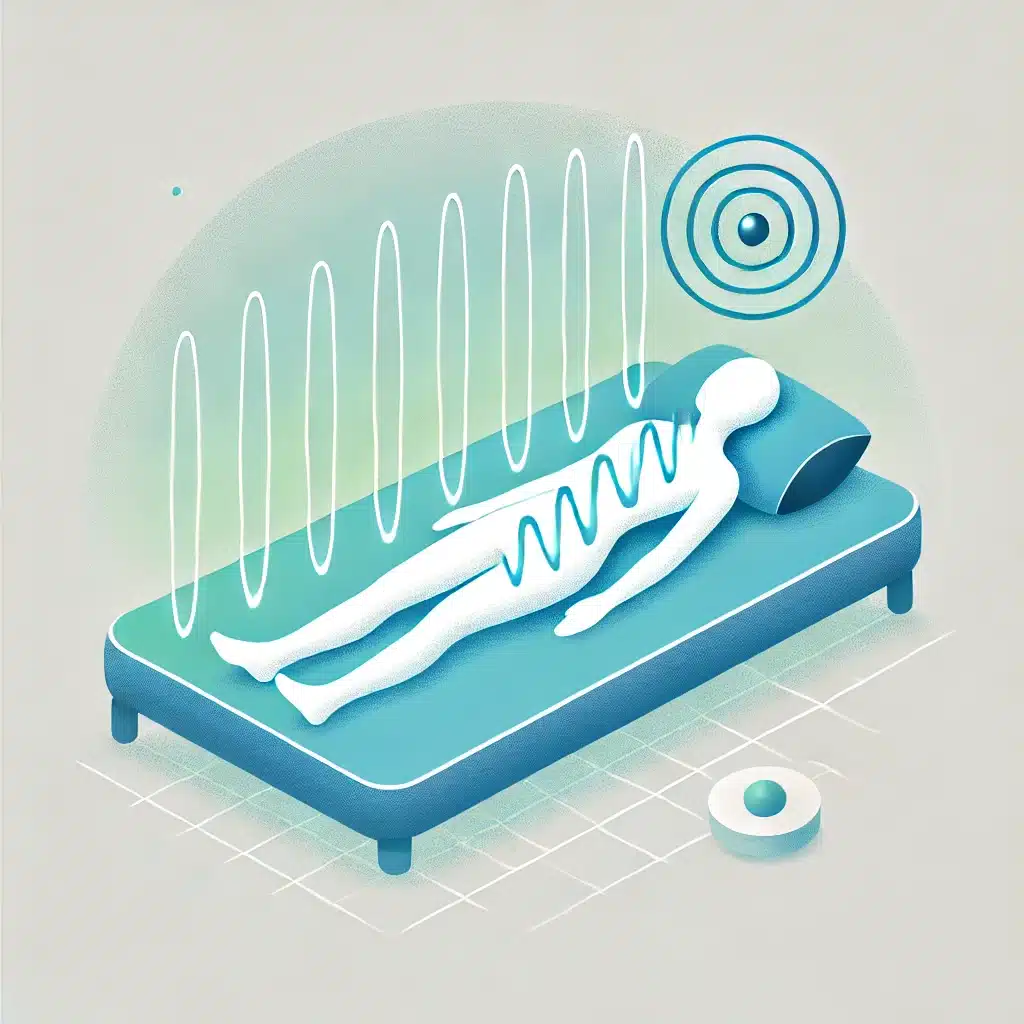
PEMF stands for Pulsed Electromagnetic Field therapy. It delivers brief, repetitive pulses of electromagnetic energy to the body — penetrating through skin, muscle, and bone to interact with cells at the mitochondrial level.
The concept is not new. NASA studied PEMF extensively in the 1990s to address bone density loss and nervous system dysfunction in astronauts returning from space. The FDA has cleared PEMF devices for bone healing since 1979, for depression and anxiety since 2006, and for brain cancer treatment since 2011. It is one of the most studied non-invasive therapeutic technologies in modern medicine.
What is new is the accessibility. PEMF devices that once existed only in clinical settings are now available for home use — and the research supporting their use for anxiety, stress, and nervous system regulation is growing rapidly.
💡 The key insight: Your body’s cells communicate electrically. Every heartbeat, every nerve impulse, every cellular repair process involves electrical signals. PEMF therapy essentially provides an external electromagnetic signal that supports and enhances these natural cellular communication processes — particularly in a nervous system dysregulated by chronic anxiety.
🔬 How Does PEMF Work? The Science Behind the Signal
When PEMF pulses penetrate tissue, they induce small electrical currents within cells. These currents interact with the cell membrane — improving ion exchange, enhancing cellular metabolism, reducing inflammation, and promoting the production of ATP (cellular energy).
For the nervous system specifically, PEMF operates through several interconnected mechanisms:
🔵 1. Brainwave Entrainment
Different PEMF frequencies correspond to different brainwave states. T-PEMF induces low electric fields that stay well below the firing threshold of neurons but may modify intrinsic brain oscillation — essentially gently nudging the brain toward specific frequency states. PubMed Central
By applying frequencies in the delta range (1–4 Hz) you can promote deep sleep states. Theta frequencies (4–8 Hz) promote deep relaxation. Alpha frequencies (8–12 Hz) promote calm, focused awareness — the same state L-theanine produces neurochemically. For anxiety, alpha and theta frequency PEMF are most relevant.
🔵 2. Vagus Nerve Stimulation
A 2025 double-blind placebo-controlled trial of 485 volunteers investigated PEMF therapy via neck application across different frequencies — finding significant improvements in sleep quality and reduction in anxiety levels, especially notable at 16 Hz, suggesting that PEMF therapy modulates autonomic activity and offers a beneficial non-pharmacological treatment option for anxiety and sleep disorders. Taylor & Francis Online
This vagal stimulation effect is particularly significant. By activating the vagus nerve electromagnetically, PEMF shifts the autonomic nervous system from sympathetic overdrive toward parasympathetic calm — the same fundamental mechanism as breathwork, cold exposure, and earthing, but delivered via an external electromagnetic field. For more on the vagus nerve’s role in anxiety, see: The Vagus Nerve: Remarkable Natural Relief for People Who Desperately Want to Conquer Anxiety
🔵 3. Neurotransmitter Modulation
PEMF influences the production and sensitivity of key neurotransmitters involved in anxiety — particularly serotonin, dopamine, and GABA. By modulating the electrical environment of neurons, PEMF therapy supports the same neurochemical pathways targeted by natural supplements like L-theanine and magnesium glycinate — but through a physical rather than biochemical mechanism.
🔵 4. Inflammation Reduction
Neuroinflammation is a significant driver of anxiety disorders — and PEMF is one of the most potent anti-inflammatory tools available. Its ability to reduce inflammatory cytokines, decrease oxidative stress, and improve cellular repair processes directly addresses one of the key biological mechanisms underlying chronic anxiety.
🔵 5. HRV Improvement
Heart rate variability — the best measurable indicator of vagal tone and nervous system resilience — consistently improves with regular PEMF use. Higher HRV means a more flexible, resilient nervous system with greater capacity to regulate stress responses. For anxious people whose HRV is chronically suppressed, PEMF provides a direct pathway to measurably improved nervous system function.
📊 What the Clinical Research Shows
A randomized controlled trial investigating PEMF therapy found significant improvements in anxiety and depression scores alongside pain and disability measures — demonstrating that PEMF’s benefits extend beyond physical symptoms to measurable psychological improvements including anxiety reduction. PubMed Central
A multicenter 8-week study by the Danish University Antidepressant Group evaluated transcranial PEMF therapy in 58 patients with treatment-resistant depression — finding that Hamilton Depression Scale scores decreased significantly from baseline to endpoint, with the treatment well tolerated even in patients who had not responded to electroconvulsive therapy. PubMed Central
For PTSD and trauma-related anxiety, 2024 clinical trials investigating low-voltage PEMF devices showed promising reductions in trauma-related symptoms using a safe and non-invasive approach — with some studies using AI-assisted technology to personalize treatment frequencies based on individual patient responses.
💡 Honest assessment: PEMF’s evidence base for anxiety is genuinely promising but still developing compared to more established interventions. The strongest evidence exists for depression, pain, and nervous system regulation. For anxiety specifically, the vagus nerve stimulation research and brainwave entrainment studies are compelling. PEMF is best understood as a powerful adjunct to a comprehensive anxiety protocol — not a standalone treatment.
🛒 PEMF Devices for Anxiety: What to Look For
PEMF devices vary enormously in quality, frequency range, intensity, and price. Here is a guide to the main categories:
Clinical-Grade Devices (Most Powerful)
iMRS Prime / Swiss Bionic One of the most extensively researched consumer PEMF systems. Full body mat plus applicators. Frequency range mirrors the Earth’s natural Schumann resonance frequencies — particularly relevant for nervous system regulation. Used in clinical settings worldwide. Investment: $3,000–$8,000+
BEMER Among the most widely used PEMF systems globally with its own substantial research base. Focuses specifically on microcirculation improvement. Used by professional sports teams and NASA. Investment: $4,000–$6,000+
Pulse Centers High-powered clinical systems used by practitioners. Extremely strong field intensity. More commonly found in clinics than homes due to cost and power requirements. Investment: $10,000+
Mid-Range Home Devices (Best Value)
HigherDOSE PEMF Mat One of the most popular consumer PEMF products. Combines PEMF with far infrared heat and negative ions — a powerful combination for nervous system regulation and anxiety relief. Stylish, well-reviewed, and widely accessible. Investment: $995–$1,295
Healthyline Mats Combines PEMF with infrared, amethyst, and tourmaline crystals. Multiple size and configuration options. Good frequency range for anxiety applications. Investment: $500–$2,000
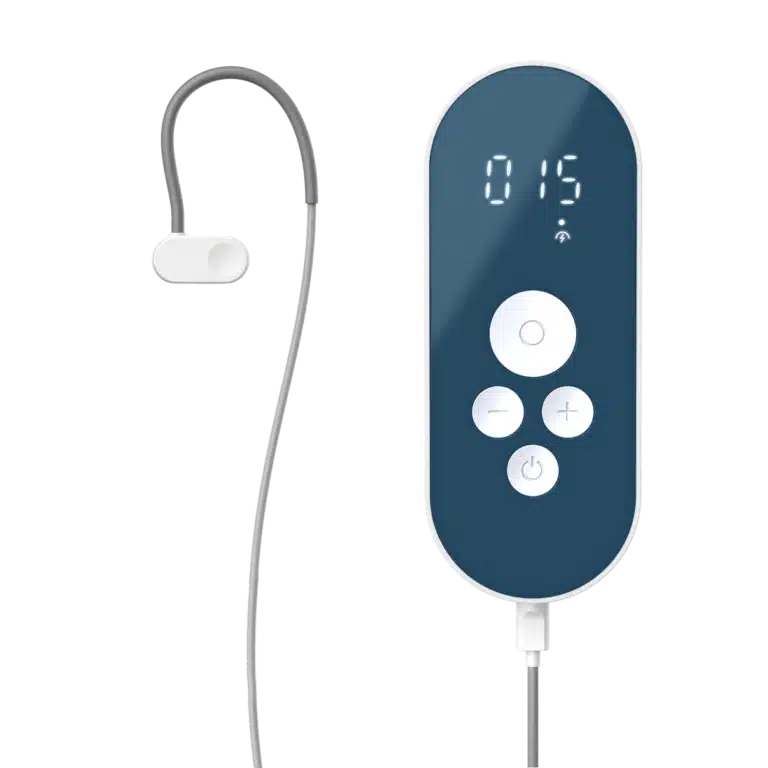
FlexPulse Portable, wearable PEMF device with pre-programmed protocols including specific settings for relaxation, sleep, and focus. Compact enough to use anywhere. Good entry point for home PEMF. Investment: $399–$499
Entry-Level Devices
Oska Pulse FDA-cleared PEMF device originally designed for pain relief. Compact, wearable, and rechargeable. Limited frequency range but accessible price point. Investment: $299–$399
💡 Important note: Beware of extremely cheap PEMF devices under $100 — many produce minimal or no measurable electromagnetic field and are essentially ineffective. If investing in PEMF, invest in a device with documented specifications, published research, and genuine customer support.
🧘 How to Use PEMF for Anxiety Specifically
Frequency Selection
For anxiety, the most relevant PEMF frequencies are:
- Alpha range (8–12 Hz): Promotes calm, focused relaxation — ideal for daytime anxiety and stress reduction
- Theta range (4–8 Hz): Promotes deep relaxation and nervous system reset — ideal for evening use and sleep preparation
- 16 Hz: Specifically validated for vagus nerve stimulation and anxiety reduction in the 2025 clinical trial above
- Schumann resonance (7.83 Hz): The Earth’s natural electromagnetic frequency — associated with nervous system regulation and grounding effects
Session Protocol for Anxiety
Daily maintenance (15–30 minutes): Morning alpha frequency session for calm focused energy and anxiety prevention throughout the day.
Acute anxiety relief (10–20 minutes): Theta frequency session when anxiety spikes — produces rapid shift toward parasympathetic calm.
Evening wind-down (20–30 minutes): Low delta/theta session 1–2 hours before bed — promotes natural sleep onset and overnight nervous system recovery.
Placement for anxiety:
- Full body mat — most comprehensive effect
- Neck and cervical spine — directly over the vagus nerve pathway for maximum vagal stimulation
- Solar plexus — many users report significant anxiety relief from abdominal PEMF application
💡 Start low and slow: Begin with shorter sessions at lower intensities. Some people experience a detoxification response or temporary fatigue when starting PEMF — particularly those with high inflammatory load. Start with 10 minutes daily and build gradually.
🔗 How PEMF Fits Into a Complete Natural Anxiety Protocol
PEMF is most powerful as part of a layered anxiety protocol rather than used in isolation:
PEMF + Earthing Both therapies work through electromagnetic mechanisms — PEMF provides an active external field, earthing provides passive connection to the Earth’s natural field. Combined, they provide comprehensive electromagnetic support for nervous system regulation. See: Why Earthing Is the Most Powerful Natural Remedy for Relentless Anxiety and Cortisol
PEMF + Vagus Nerve Practices PEMF directly stimulates vagal tone via electromagnetic field. Breathwork, cold exposure, and humming stimulate it via physical mechanisms. Used together they produce faster and more sustained improvements in HRV and parasympathetic tone. See: The Vagus Nerve: Remarkable Natural Relief for People Who Desperately Want to Conquer Anxiety
PEMF + Magnesium Glycinate PEMF enhances cellular magnesium uptake — meaning taking magnesium glycinate around the time of a PEMF session may improve both the electromagnetic therapy’s effectiveness and the supplement’s absorption. See: Magnesium Glycinate for Anxiety
PEMF + Ashwagandha PEMF addresses the neurological and inflammatory aspects of anxiety. Ashwagandha addresses the hormonal root cause — HPA axis dysregulation and cortisol excess. Together they cover anxiety from both the brain and the body simultaneously. See: Ashwagandha for Anxiety
⚠️ Who Should NOT Use PEMF
PEMF has an excellent safety record but there are important contraindications:
Do not use PEMF if you have:
- An implanted electronic device — pacemaker, defibrillator, cochlear implant, or neurostimulator
- Are pregnant
- Have active cancer — particularly in the area of application
- Have epilepsy — certain frequencies may lower seizure threshold
- Metal implants in the area of treatment — plates, screws, or joint replacements near the application site
Use with caution if you:
- Take blood thinners — PEMF may enhance circulation significantly
- Have hypotension — PEMF can lower blood pressure
- Are new to PEMF — start with short sessions at low intensity
The Bottom Line
PEMF therapy represents one of the most sophisticated and scientifically grounded biohacking tools available for anxiety relief. Its ability to simultaneously modulate brainwaves, stimulate the vagus nerve, reduce neuroinflammation, improve HRV, and enhance cellular function makes it uniquely comprehensive compared to single-mechanism interventions.
It is not the cheapest option — quality PEMF devices represent a meaningful investment. But for people who are serious about addressing anxiety at a biological level using technology rather than pharmaceuticals, PEMF offers a non-invasive, non-addictive, side-effect-free pathway to measurable nervous system improvement.
The research is compelling. The mechanism is sound. The technology is becoming increasingly accessible. And for biohackers and health optimizers seeking the next level of natural anxiety relief — PEMF is one of the most exciting tools in the arsenal.
Your nervous system runs on electricity. PEMF gives it the signal it needs to reset.
📥 Want our complete natural anxiety toolkit in one free guide? Download 7 Natural Ways to Stop Anxiety — our most comprehensive free resource. → Yes, Send Me the Free Guide
Also on StopAnxiety.org:
- 7 Science-Backed Natural Ways to Overcome Anxiety Fast
- Why Earthing Is the Most Powerful Natural Remedy for RelentlessAnxiety
- The Vagus Nerve: Remarkable Natural Relief for People Who Desperately Want to Conquer Anxiety
- Magnesium Glycinate for Anxiety
- Ashwagandha for Anxiety
⚠️ Medical Disclaimer: This article is for informational purposes only and does not constitute medical advice. Always consult a qualified healthcare provider before starting any herbal supplement, especially if you take medications or have a medical condition. Herbs can interact with prescription drugs.
❓ Frequently Asked Questions
Does PEMF therapy help with anxiety?
Pulsed Electromagnetic Field (PEMF) therapy uses low-frequency electromagnetic fields to influence cellular function. Emerging research suggests PEMF can reduce anxiety by modulating neuronal activity, supporting mitochondrial function, reducing inflammatory cytokines, and potentially influencing GABA and serotonin systems. Evidence is promising but limited.
How does PEMF therapy work for anxiety?
PEMF delivers pulsed electromagnetic fields that interact with cell membranes and mitochondria. Proposed mechanisms for anxiety reduction include modulation of calcium ion channels, reduction of neuroinflammation, support of ATP production in stressed neurons, and potential influence on the HPA axis.
How often should I use PEMF for anxiety?
Most PEMF protocols use sessions of 20–30 minutes, 1–2 times daily, with benefits emerging over 4–8 weeks of consistent use. Consumer PEMF devices vary significantly in field strength and frequency. Consult manufacturer guidance and research specific protocols for anxiety applications.
Is PEMF therapy safe?
PEMF therapy is generally considered safe at low field strengths. It is contraindicated for people with implanted electrical devices (pacemakers, cochlear implants), during pregnancy, and in those with active bleeding or cancerous tumors in the treatment area. Always consult a healthcare provider before starting.
How does PEMF compare to other natural anxiety treatments?
PEMF has less robust evidence than established natural anxiety interventions like exercise, breathwork, and magnesium. It may be a useful adjunct for those who have not responded to first-line natural approaches. Given the cost of quality devices, it is generally considered after more accessible interventions.
Looking for something specific?
Search all our science-backed articles on natural anxiety relief.