🚨 Important Medical Disclaimer: The peptides discussed in this article are research compounds only and are not approved by the FDA for the diagnosis, treatment, cure, or prevention of any disease or medical condition. While members of the biohacking community explore these compounds, they are not intended for human therapeutic use outside of licensed clinical research settings. This article is for educational and informational purposes only. Always consult a qualified healthcare professional before considering any peptide therapy or making changes to your health regimen. Do not discontinue any prescribed medications without physician guidance.
🔬 The Frontier of Peptide Science and Anxiety
In the relentless search for better, gentler tools to address anxiety, a fascinating class of molecules has caught the attention of researchers, clinicians, and the biohacking community alike: peptides. Peptides are short chains of amino acids — the same building blocks that make up proteins — that act as precise signaling molecules throughout the body and brain. Unlike blunt-force pharmaceutical interventions that flood receptor systems indiscriminately, peptides work more like master keys, designed to fit specific biological locks with remarkable precision. It’s this targeted, biomimetic nature that has made peptide research one of the most exciting frontiers in neuroscience and mental health.
Several peptides in particular have generated substantial scientific interest for their potential influence on anxiety, stress resilience, mood, and cognitive function. Among the most researched are Selank, Semax, BPC-157, and Oxytocin — each working through distinct but complementary mechanisms.
It’s worth noting upfront: most of these compounds are currently classified as research peptides, meaning they are studied in laboratory and clinical research settings and have not completed the full FDA approval process for use as treatments in the United States. Semax and Selank have completed clinical trials and are approved for use in Russia and some Eastern European countries, but remain research compounds in the U.S. and most Western nations. Members of the biohacking community who explore these substances do so outside conventional medical practice, and any such use carries inherent uncertainties.
With that critical context established, let’s explore what the research actually shows — and why scientists around the world are so intrigued.
🧬 What Are Peptides and Why Do They Matter for Anxiety?
Your body already produces hundreds of peptides as part of its natural regulation system. Endorphins, oxytocin, insulin, and enkephalins are all peptides — short amino acid sequences that carry crucial messages between cells, organs, and systems.
Anxiety, at its core, is a disruption in your brain’s signaling systems: too much activity in stress pathways, too little GABA-mediated calming, dysregulated serotonin and dopamine, chronic cortisol elevation, and inflammatory signals that keep the nervous system on high alert. Peptides, by virtue of their precision and their ability to mimic or modulate the body’s own regulatory compounds, represent a potentially elegant approach to restoring balance.
The interest is not merely theoretical. Researchers have accumulated a meaningful — if still incomplete — body of evidence suggesting that specific peptides can influence the very neurobiological systems that drive anxiety. Let’s look at the most researched candidates.
1️⃣ Selank: The Research Peptide That Rivals Benzodiazepines Without the Drawbacks
Of all the peptides studied for anxiety, Selank (Thr-Lys-Pro-Arg-Pro-Gly-Pro) has arguably the most direct and compelling evidence. Developed at the Institute of Molecular Genetics of the Russian Academy of Sciences, Selank is a synthetic analog of tuftsin, a naturally occurring peptide fragment found in human immunoglobulin G — meaning it’s derived from a compound your own immune system produces.
📊 The Clinical Evidence
In a landmark clinical study published in Zhurnal Nevrologii i Psikhiatrii, 62 patients with generalized anxiety disorder (GAD) and neurasthenia were divided into two groups: 30 received Selank while 32 received medazepam (a standard benzodiazepine). Researchers assessed outcomes using the Hamilton Anxiety Scale, Zung Anxiety Scale, and Clinical Global Impression scores. The results were striking: the anxiolytic effects of both drugs were comparable — but Selank uniquely also produced antiasthenic (anti-fatigue) and psychostimulant effects that benzodiazepines did not. In other words, Selank calmed anxiety without the sedation, cognitive dulling, or fatigue that characterize benzodiazepine use.
A 2017 PMC study went deeper, examining how Selank affects gene expression in GABAergic neurotransmission — the same system targeted by benzodiazepines. The research found that Selank acts as a positive allosteric modulator of GABA-A receptors, meaning it enhances the brain’s natural calming GABA activity in a manner similar to benzodiazepines, but through a more nuanced mechanism that appears to avoid tolerance and dependence.
A 2017 rat study in PMC examined Selank’s anxiolytic activity under chronic unpredictable mild stress (UCMS) — a well-validated animal model of anxiety and depression. The findings showed that Selank’s individual administration was most effective at reducing elevated anxiety caused by chronic stress, and that Selank combined with diazepam produced superior results to diazepam alone under severe stress conditions.
🧠 How Selank Works: 4 Key Mechanisms
- GABAergic modulation. Selank binds to GABA-A receptors as a positive allosteric modulator, enhancing the brain’s primary inhibitory neurotransmitter system — the same mechanism that makes benzodiazepines effective, but without the problematic side effects of tolerance, dependence, or cognitive impairment.
- Serotonin and dopamine regulation. Research shows Selank significantly influences serotonin metabolism — even restoring serotonin levels in animal models where serotonin synthesis had been pharmacologically blocked. It also affects dopamine systems in the hippocampus, hypothalamus, and frontal cortex — key brain regions involved in mood and stress response.
- Enkephalin preservation. Selank inhibits the enzymes that break down enkephalins — the body’s own natural opioid peptides involved in pain regulation and emotional well-being. Clinical research found that patients with GAD had reduced enkephalin activity, and that Selank treatment restored this to healthier levels.
- Immunomodulation and inflammation reduction. Selank has been shown to suppress elevated IL-6 (a pro-inflammatory cytokine) in patients with anxiety and depression, while leaving healthy subjects unaffected. Since neuroinflammation is increasingly recognized as a driver of anxiety and depression, this anti-inflammatory action may be part of Selank’s therapeutic profile.
Selank is also notable for its nootropic effects — research indicates it positively influences memory formation and learning processes, making it distinct from conventional anxiolytics that often impair cognition. Psychology Today noted in a 2025 article by an integrative psychiatrist that Selank nasal spray, administered in clinical practice, has shown benefits for emotional well-being through neurotransmitter modulation.
2️⃣ Semax: The Neuroprotective Peptide That Builds a More Resilient Brain
Semax is a synthetic heptapeptide derived from a fragment of ACTH (adrenocorticotropic hormone), a hormone naturally produced by your pituitary gland. While Selank focuses primarily on calming the anxious brain, Semax takes a different but complementary approach: it strengthens the brain’s stress resilience and cognitive capacity by dramatically amplifying BDNF (Brain-Derived Neurotrophic Factor).
BDNF is often described as “fertilizer for the brain” — it supports neuronal growth, maintains existing neurons, strengthens synaptic connections, and promotes the kind of neuroplasticity that underlies resilience. Research shows anxiety and chronic stress are associated with reduced BDNF levels, particularly in the hippocampus. Semax directly addresses this deficit.
📊 The Research Evidence for Semax
A 2018 study published in the Bulletin of Experimental Biology and Medicine used functional MRI (fMRI) to examine Semax’s effects on the brain. The group that received Semax showed increased activation in the default mode network — the brain network responsible for focus, memory consolidation, and self-referential processing — compared to controls. This suggests Semax produces measurable, observable changes in brain function.
Research has also shown that Semax alters the expression of genes involved in immune function — specifically, enhancing the expression of genes encoding chemokines and immunoglobulins. Since the immune-brain connection is increasingly understood as central to mood and anxiety disorders, this represents another potential pathway of benefit.
In animal models of stress-induced memory and behavioral impairment, Semax has shown significant protective effects — helping animals maintain cognitive function under conditions that would normally degrade it.
⚡ Semax vs. Selank: Complementary Tools
Within the research community, Semax and Selank are often studied together because they address different dimensions of the anxiety-stress equation. Semax is considered more activating — oriented toward focus, neuroplasticity, and cognitive performance under stress. Selank is more calming — oriented toward reducing acute anxiety, improving mood, and softening the stress response. Many researchers and clinicians theorize they may complement each other, with Semax supporting the brain’s structural resilience while Selank addresses the moment-to-moment anxiety response.
3️⃣ BPC-157: The Gut-Brain Peptide With Remarkable Anxiety-Reducing Properties
BPC-157 (Body Protection Compound-157) is a pentadecapeptide — a 15-amino-acid sequence — isolated from human gastric juice. It’s one of the most fascinating peptides in current research precisely because it operates at the intersection of two systems now understood to be intimately connected: the gut and the brain.
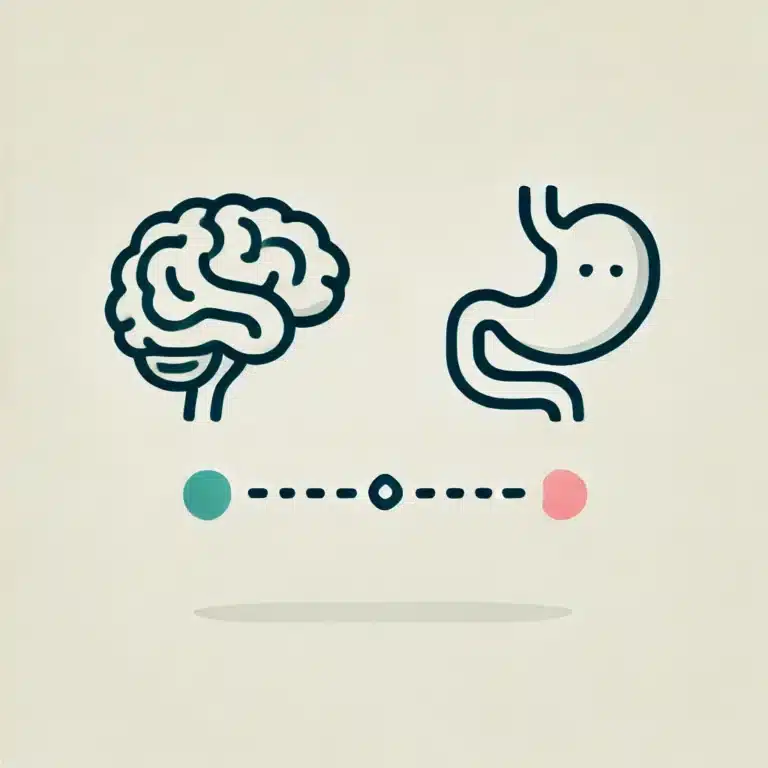
If you’ve read our article on the gut-brain axis and anxiety, you already know that the health of your digestive system profoundly influences your mental state. BPC-157 is, in many ways, the peptide embodiment of that connection.
📊 Anxiolytic Effects in Research Models
A landmark study published in Current Neuropharmacology documented BPC-157’s effects across a wide range of behavioral models. The researchers found consistent anxiolytic (anti-anxiety) effects across multiple validated anxiety testing paradigms, including the shock probe/burying test and light/dark crossing tests. Notably, BPC-157’s anxiolytic activity was demonstrated without producing sedation or motor impairment — a critical advantage over many conventional treatments.
In depression models, BPC-157 produced antidepressant effects comparable to established antidepressants like imipramine — but with one notable advantage: its effectiveness persisted even under severe chronic stress conditions where conventional antidepressants lost efficacy.
🧠 How BPC-157 Addresses Anxiety: Multiple Mechanisms
- 🔄 Dopamine and serotonin modulation. BPC-157 modulates both dopaminergic and serotonergic systems — the two neurotransmitter networks most targeted by conventional psychiatric medications. It appears to regulate serotonin synthesis in specific brain regions while also stabilizing the dopamine system against both deficiency and excess.
- 🦠 Gut-brain axis restoration. Because BPC-157 is a gastric peptide native to human digestive juice, it powerfully supports gut healing and integrity. Research demonstrates it helps recover both brain-to-gut and gut-to-brain signaling axes simultaneously — addressing anxiety from the gut up and the brain down.
- 🛡️ Neuroprotection and neuroregeneration. BPC-157 has demonstrated the ability to protect somatosensory neurons, support peripheral nerve regeneration, and counteract neuronal damage associated with traumatic stress — directly relevant because chronic stress causes measurable structural changes in the hippocampus.
- 🔥 Anti-inflammatory action. Neuroinflammation — chronic low-grade inflammation in the brain — is increasingly identified as a core driver of both anxiety and depression. BPC-157’s potent anti-inflammatory properties may reduce this neuroinflammatory burden, creating a more favorable environment for healthy neurotransmitter function.
- 🧩 GABA system protection. Research has specifically shown that BPC-157 can counteract benzodiazepine tolerance and physical dependence — suggesting it interacts favorably with the GABA system. This is particularly relevant for individuals looking to support healthy GABA signaling naturally.
4️⃣ Oxytocin: The “Love Hormone” Peptide That Calms Social Anxiety
Unlike the synthetic research peptides above, oxytocin is one your body already produces abundantly — it’s released during social bonding, physical touch, sexual intimacy, and acts of trust and connection. Often called the “love hormone” or “bonding hormone,” oxytocin is a 9-amino-acid peptide that plays a central role in social cognition, stress regulation, and emotional well-being.
The research on intranasal oxytocin for anxiety — particularly social anxiety — is among the most extensive in peptide science, with numerous double-blind, placebo-controlled human trials.
📊 What the Research Shows
- A double-blind, placebo-controlled fMRI study found that intranasal oxytocin significantly attenuates amygdala reactivity to fear in individuals with generalized social anxiety disorder. The amygdala is the brain’s threat-detection center — in anxious individuals, it fires excessively in response to social cues. Oxytocin appears to directly dampen this hyperreactivity.
- A 2022 study in Journal of Psychopharmacology found that participants who received intranasal oxytocin as an adjunct to exposure therapy showed improved mental representations of self following treatment — a critical outcome since negative self-perception drives much of social anxiety’s persistence.
- Research in Neuropsychopharmacology demonstrated that intranasal oxytocin enhances functional connectivity between the amygdala and regions involved in emotional regulation, improving the brain’s ability to process and regulate fear responses.
- Research from Nature’s Translational Psychiatry confirmed that intranasally administered oxytocin does reach deep brain structures including the amygdala in concentrations sufficient to activate oxytocin receptors.
🧠 Oxytocin’s Anxiety Mechanisms
Oxytocin reduces anxiety through several interconnected pathways. It inhibits neurons in the amygdala that connect to the anterior cingulate cortex and medial prefrontal cortex — two regions that amplify anxiety responses. It suppresses cortisol secretion under stress. It reduces fear generalization — the tendency for anxiety to spread to non-threatening stimuli, which drives conditions like phobias and PTSD. And it shifts the balance between the brain’s oxytocin and vasopressin systems toward the calming, prosocial side, creating a more favorable emotional baseline.
💬 The Biohacking Community’s Experience: What Self-Experimenters Report
Beyond the clinical research, a growing community of biohackers, n=1 experimenters, and integrative health practitioners have been exploring these peptides — often sharing detailed experiences through forums, podcasts, and community platforms like Longecity and Reddit’s peptide communities. Common reported experiences include:
- 🧘 Selank: A rapid reduction in background anxiety within 15–30 minutes of intranasal administration, without sedation. Many report enhanced clarity, focus, and emotional stability — more like “removing the noise” than being sedated. Some note improved sleep quality and reduced irritability.
- ⚡ Semax: Enhanced focus, mental clarity, and stress resilience. Users frequently describe feeling more capable of handling stressful situations without their usual emotional reactivity. Some report improved motivation and reduced mental fatigue.
- 🌿 BPC-157: Beyond healing physical injuries (for which it’s perhaps best known in biohacking circles), many users report noticeable improvements in mood, gut comfort, and stress tolerance over weeks of use — consistent with its gut-brain axis mechanisms.
- 💗 Oxytocin: Most commonly reported for social anxiety specifically — users describe feeling more at ease in social situations, less self-conscious, and more emotionally connected. Effects are typically felt within an hour of intranasal administration.
These reports are anecdotal and cannot substitute for controlled clinical research. Individual responses vary considerably, and what works for one person may not work for another — or could produce unintended effects. This is precisely why medical supervision is essential before experimenting with any of these compounds.
💉 Administration Methods in Research Settings
In research and clinical contexts, peptides for anxiety are typically administered through specific routes designed to maximize bioavailability and central nervous system access:
- 👃 Intranasal (nasal spray): The most common method for Selank, Semax, and Oxytocin. The nasal mucosa provides direct access to olfactory and trigeminal pathways that bypass the blood-brain barrier, allowing peptides to reach brain structures more directly. Selank and Semax are approved for intranasal use in Russia.
- 💉 Subcutaneous injection: Used for BPC-157 and some other peptides in research settings. Delivers the peptide into the tissue just below the skin for systemic absorption.
- 💊 Oral capsules: Some peptides, including BPC-157, are studied in oral form — most practical for gut-targeting effects, as degradation in the digestive tract is less of a concern for a peptide that is itself a gastric compound.
⚠️ Important Considerations and Potential Risks
While the research on peptides for anxiety is genuinely promising, intellectual honesty requires acknowledging significant limitations and risks:
- 🚫 Regulatory status: In the United States, none of the peptides covered in this article (with the exception of FDA-approved oxytocin used for labor induction) are approved for mental health indications. BPC-157 has been in human trials for inflammatory bowel disease but has not completed FDA review for any indication.
- 📅 Limited long-term safety data: Most research is relatively short-term. The full side-effect profile of these peptides over months and years of use is not yet established. Long-term neurological effects, interactions with other medications, and effects in vulnerable populations are insufficiently studied.
- 🏷️ Source and quality concerns: Peptides sold as “research chemicals” online vary wildly in purity, concentration accuracy, and sterility. Contaminated or mislabeled products pose serious health risks. Compounded peptides through a licensed U.S. compounding pharmacy offer significantly more reliable purity standards.
- 💊 Drug interactions: Peptides that modulate GABA, serotonin, and dopamine systems have the potential to interact with psychiatric medications including SSRIs, benzodiazepines, antipsychotics, and stimulants. Combining research peptides with prescription medications without medical supervision is particularly risky.
- 🧬 Individual variation: Genetic differences in peptide receptors, neurotransmitter systems, and metabolic enzymes mean responses to peptides vary considerably between individuals. What produces calm in one person may produce overstimulation in another.
🚀 The Future of Peptide Therapy for Anxiety
Despite the current research-only status of most of these compounds, the trajectory of peptide science in mental health is unmistakably exciting. Psychology Today has covered the emerging clinical application of peptides in integrative psychiatry. Integrative and functional medicine practitioners in the U.S. are beginning to incorporate peptide protocols — particularly compounded Selank, Semax, and oxytocin — into their practices. And the scientific literature continues to accumulate, with each study adding depth to our understanding of how these targeted molecules influence the anxious brain.
The appeal of peptides lies in their biomimetic nature — they work with the body’s own language, modulating natural systems rather than overriding them. For those who have experienced the limitations and side effects of conventional anxiolytics — the dependence potential of benzodiazepines, the blunting effects of SSRIs, the slow onset of many traditional approaches — the precision and apparent tolerability of anxiety peptides represents a genuinely different paradigm.
We are still in the early chapters of this story. But the research already in hand is compelling enough to understand why the biohacking community, integrative clinicians, and mainstream neuroscience are all paying close attention.
🩺 Talk to Your Doctor First — Here’s What to Discuss
If you’re intrigued by the research on peptides for anxiety, the right first step is always a conversation with a knowledgeable healthcare provider. Not all physicians are familiar with peptide research, but integrative medicine doctors, functional medicine practitioners, and some psychiatrists with a background in nutritional or holistic approaches are increasingly informed in this area.
When discussing peptides with your doctor, consider asking about:
- Whether your current medications have known or potential interactions with GABA-modulating or serotonergic compounds
- Whether compounded peptides are available through licensed U.S. compounding pharmacies in your area
- Baseline blood work and neurological assessment before beginning any new protocol
- Your overall neurological and metabolic health, since peptide responses are influenced by underlying physiology
- Non-pharmacological anxiety interventions that can be combined with or used instead of peptide approaches
For a comprehensive foundation of evidence-based natural anxiety strategies while you explore more advanced options, see our guides on magnesium glycinate, ashwagandha, L-theanine, and vagus nerve activation — all of which have their own compelling evidence base and are accessible without a prescription.
✅ The Bottom Line
Peptides represent one of the most scientifically intriguing frontiers in anxiety research. Selank has demonstrated clinical efficacy comparable to benzodiazepines — but without dependence, tolerance, or cognitive dulling. Semax builds neurobiological resilience through BDNF elevation and neuroprotection. BPC-157 addresses anxiety from the gut-brain axis up, modulating serotonin and dopamine systems while healing the gut-brain communication disrupted by chronic stress. And Oxytocin, the body’s own bonding peptide, specifically targets the social anxiety circuits of the amygdala with a meaningful body of human clinical research behind it.
None of these are ready-to-use supplements you can buy at a health food store — they are research compounds that occupy a different legal and scientific category. But the research is real, the mechanisms are well-grounded in neuroscience, and the interest from both the scientific community and pioneering clinicians is growing rapidly.
The age of precision neurochemistry for anxiety may still be dawning — but for those willing to follow the science, the view from the frontier is genuinely promising. 🌐
🚨 Final Reminder: All peptides discussed in this article are research compounds not approved by the FDA for human therapeutic use in the United States. This content is strictly for educational and informational purposes. Please consult a qualified physician or healthcare professional before considering any peptide therapy. Never discontinue prescribed medications without medical guidance. Individual results vary, and unmonitored use of research compounds carries health risks that are not fully characterized.
🎁 Want a personalized natural anxiety relief plan? Get our free guide covering the evidence-based tools, supplements, and daily habits that actually move the needle. Download it free here →
❓ Frequently Asked Questions
What peptides are being studied for anxiety?
Peptides studied for anxiety in research contexts include Selank (a synthetic analogue of tuftsin with anxiolytic properties), Semax (with nootropic and anxiolytic effects), BPC-157 (with anti-inflammatory properties), and neuropeptides like oxytocin and NPY. These are research compounds, not approved treatments.
Are peptides safe to use for anxiety?
Most research peptides for anxiety are not FDA-approved for human therapeutic use outside licensed clinical research. Safety data in humans is limited. Risks of unsourced compounds include contamination, dosing inaccuracy, and unknown long-term effects. Consult a physician before considering any peptide therapy.
How does Selank work for anxiety?
Selank is a synthetic heptapeptide that modulates the GABAergic system, increases BDNF, and reduces enkephalin metabolism (extending endogenous anti-anxiety peptide effects). Russian clinical trials have shown anxiolytic effects comparable to benzodiazepines without sedation or dependence — but it is not approved by Western regulatory agencies.
What is the difference between peptides and traditional anxiety supplements?
Traditional anxiety supplements (magnesium, ashwagandha, L-theanine) are natural compounds with established safety profiles. Peptides are short-chain amino acid sequences acting more directly on specific receptor pathways — potentially with greater potency but far less established safety data for general use.
Where can I find legitimate information about peptides for anxiety?
Legitimate research can be found through PubMed (search specific compound names with ‘anxiety’). Be cautious of biohacking community sources. Any serious consideration of peptide therapy should involve consultation with a physician experienced in integrative or functional medicine.
Looking for something specific?
Search all our science-backed articles on natural anxiety relief.