By the StopAnxiety.org Research Team | Last Updated: March 2026 | 13 min read
You’ve tried the breathing exercises. You’ve taken the supplements. You’ve worked on your mindset. And yet the anxiety persists — cycling back reliably, often with no obvious trigger, as if something deeper is driving it that none of your interventions are reaching.
For a significant percentage of anxiety sufferers, that something deeper is in your gut.
The emerging science of the gut-brain axis is one of the most exciting and paradigm-shifting areas in modern neuroscience and psychiatry. It is fundamentally rewriting our understanding of where anxiety comes from — and what we can actually do about it at the root level.
This article covers what the gut-brain axis is, exactly how your microbiome drives anxiety, what the latest 2024-2025 research reveals, and the practical steps you can take to heal your gut and calm your brain simultaneously.
What You’ll Learn
- What the gut-brain axis is and how it works
- How your microbiome directly produces and regulates neurotransmitters
- The 4 key pathways connecting gut dysbiosis to anxiety
- What the latest research shows about probiotics and anxiety
- The gut-healing anxiety protocol — diet, probiotics, prebiotics, and lifestyle
- How gut-brain healing connects to your broader anxiety strategy
🧠 What Is the Gut-Brain Axis?
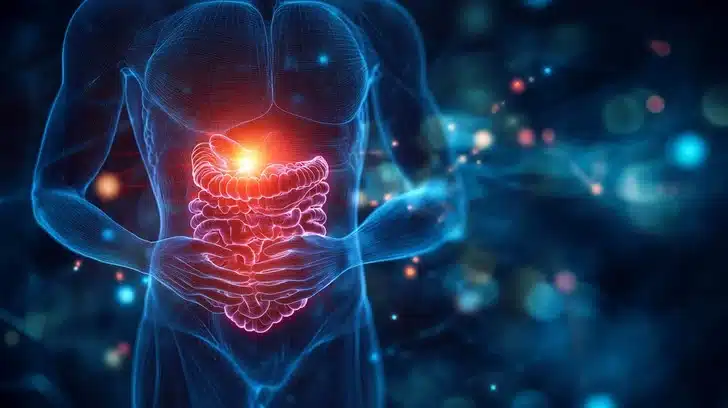
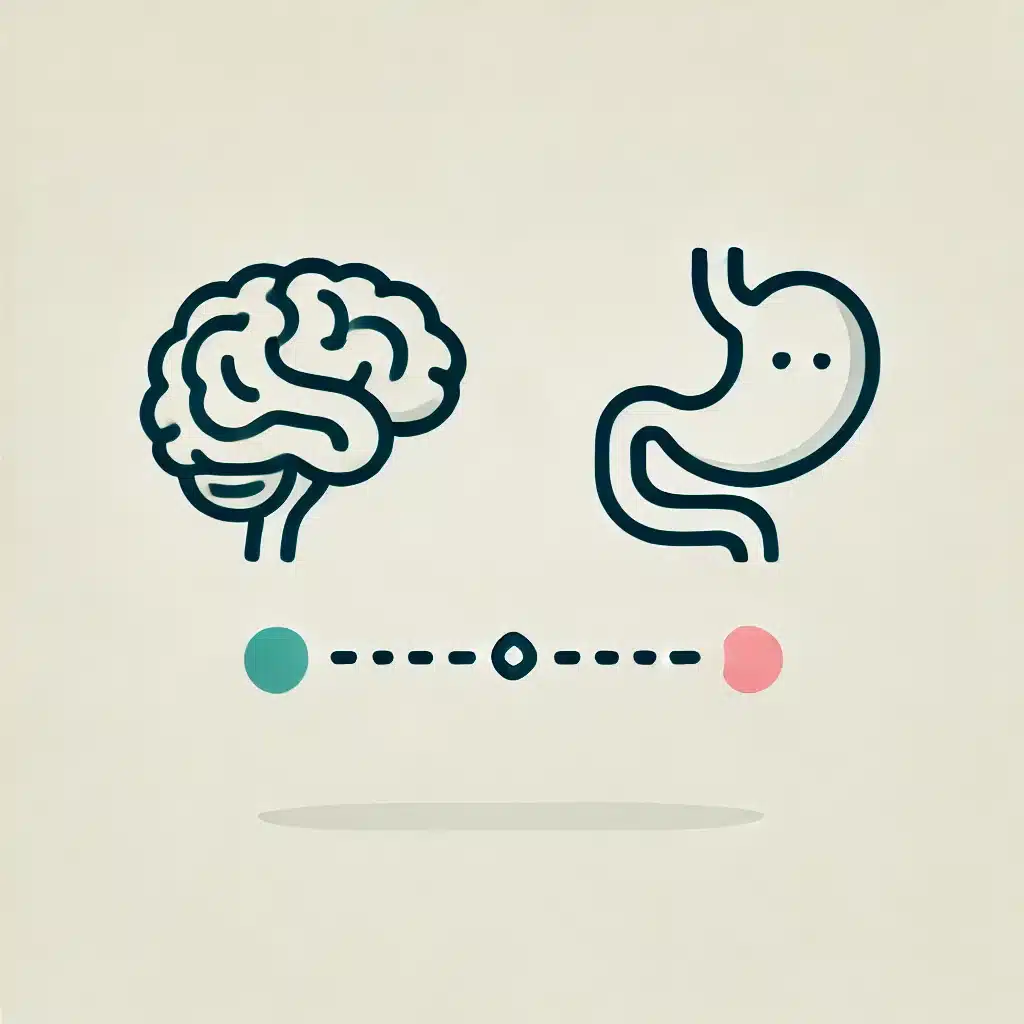
The gut-brain axis is a bidirectional communication superhighway between your gastrointestinal tract and your central nervous system. It is not a metaphor or a wellness concept — it is a concrete, anatomically defined network of neural, immune, endocrine, and metabolic pathways through which your gut and brain are in constant, real-time communication.
The gut-brain axis permits the central nervous system to exert influence over gastrointestinal function in response to stress, while the gut microbiota regulates the CNS via immune, neuroendocrine, and vagal pathways — with current research highlighting the importance of the gut microbiota in stress-related disorders. Nature
The communication runs in both directions. Your brain affects your gut — which is why stress causes digestive symptoms. But equally, and this is what most people miss, your gut affects your brain — which is why gut dysfunction can cause or dramatically worsen anxiety, depression, and cognitive impairment.
At the center of this system is your gut microbiome: the approximately 100 trillion microorganisms — bacteria, viruses, fungi, and other microbes — inhabiting your gastrointestinal tract. A balanced gut microbiome is essential for regular brain activities and emotional responses, while any disruption in this bidirectional pathway leads to a progression of health problems in both directions — neurological and gastrointestinal. Springer
💡 The key insight: Your gut contains more neurons than your spinal cord — approximately 500 million nerve cells forming what scientists call the “enteric nervous system” or “second brain.” This is not a backup system. It is a sophisticated neural network in constant dialogue with your brain, and the health of this network is directly dependent on the health of your microbiome.
🔬 How Your Microbiome Drives Anxiety: 4 Key Pathways
🔵 Pathway 1: Neurotransmitter Production
This is perhaps the most surprising fact in all of gut-brain science: your gut produces the majority of your body’s neurotransmitters.
Gut microbiota significantly affect brain function through the synthesis of neurotransmitters such as serotonin and gamma-aminobutyric acid (GABA), which are essential for maintaining emotional balance. Frontiers
Approximately 90-95% of your body’s total serotonin is produced in the gut — not the brain. When your microbiome is disrupted, serotonin production falters, directly impacting mood regulation and anxiety. Similarly, GABA — the brain’s primary calming neurotransmitter and the target of anti-anxiety medications — is synthesized by gut bacteria and transmitted to the brain via the vagus nerve. A dysbiotic gut literally cannot produce adequate amounts of your own natural anti-anxiety chemistry.
🔵 Pathway 2: The Vagus Nerve Highway
The vagus nerve is the most direct link out of all the potential gut-brain paths — various receptors on vagal afferents sense and send signals from the gut to the brain, affecting CNS reward neurons and in turn influencing mood and behavior. Springer
The vagus nerve is the physical cable connecting your gut to your brain, carrying chemical and electrical signals in both directions. When your gut microbiome is healthy, it sends calming, regulatory signals up the vagus nerve to the brain. When your microbiome is dysbiotic, the signals it sends are inflammatory and dysregulatory — contributing directly to heightened anxiety, fearfulness, and stress reactivity.
This is why vagus nerve stimulation through breathwork, cold exposure, and targeted essential oils (see our Vagus Nerve article) is so effective — you are optimizing the same communication channel your gut uses to talk to your brain.
🔵 Pathway 3: Neuroinflammation via Leaky Gut
Heightened circulating cortisol and inflammatory cytokines can increase intestinal permeability — enabling gram-negative bacteria to enter the bloodstream and contribute to chronic central nervous system inflammation, with implications for emotional regulation and mood disorders, reinforcing the strong link between microbiota-driven inflammation and psychiatric conditions like anxiety. PubMed Central
When the intestinal lining becomes permeable — a condition commonly called “leaky gut” — bacterial toxins called lipopolysaccharides (LPS) enter the bloodstream. LPS-induced inflammation can provoke anxiety and depressive symptoms through the release of pro-inflammatory cytokines and inflammatory mediators, while also disrupting the blood-brain barrier. Springer
This creates a vicious cycle: chronic stress increases cortisol, which increases intestinal permeability, which allows LPS into the bloodstream, which drives neuroinflammation, which worsens anxiety — which raises cortisol further.
🔵 Pathway 4: HPA Axis Dysregulation
The HPA axis is a central mediator of the body’s stress response and is significantly influenced by the gut microbiota — with gut microbiota dysbiosis shown through Mendelian randomization analysis to be a causative factor in anxiety and depression, rather than merely a consequence of these disorders. Frontiers
A healthy, diverse microbiome helps regulate the HPA axis — keeping cortisol responses proportional and time-limited. A dysbiotic microbiome loses this regulatory capacity, leaving the HPA axis in a state of chronic overactivation. This is the same root mechanism addressed by ashwagandha and phosphatidylserine supplementation — but here it is being driven from the gut level upward.
📊 What the Latest Research Shows
The 2024-2025 research on the gut-brain axis and anxiety is remarkably compelling:
A comprehensive 2024 review of the gut microbiome-immune system-brain axis found substantial evidence supporting the role of the gut microbiome in producing symptoms across generalized anxiety disorder, panic disorder, social anxiety disorder, PTSD, and OCD — with pro- and prebiotics showing significant therapeutic potential for these conditions. PubMed Central
A 2024 Frontiers in Neuroscience review systematically confirmed that the microbiota-gut-brain axis is the primary communication pathway for anxiety disorders — with neural signaling, endocrine mechanisms, and immune regulation all playing significant roles, and techniques including probiotics, prebiotics, and dietary interventions showing promise for modifying gut microbiota and improving psychological wellbeing. PubMed Central
A 2024-2025 study confirmed that gut microbiota dysbiosis is a causative factor in anxiety and depression rather than merely a consequence — with decreased gut microbial diversity impairing enteroendocrine cell activity and disrupting peptide secretion in ways that directly increase vulnerability to anxiety. Frontiers
On the intervention side, probiotic research is rapidly maturing. Studies involving Lactobacillus rhamnosus showed decreased stress-induced anxiety-like behavior compared to controls. Multi-strain probiotic formulations have demonstrated significant improvements in anxiety and depressive symptoms. And prebiotic compounds including fructooligosaccharides and galactooligosaccharides have shown the ability to reduce stress-induced cortisol increases and anxiety-like behaviors in clinical models.
💡 Honest assessment: Gut-brain axis research for anxiety is among the most rapidly advancing areas in all of psychiatry. The mechanistic evidence is extremely strong. Clinical trial data on specific probiotic strains for human anxiety is growing but still developing — the field is moving fast and results are highly promising.
🌱 The Gut-Healing Anxiety Protocol
Step 1: Remove What’s Destroying Your Microbiome
Before adding anything, eliminate the key microbiome disruptors:
Ultra-processed foods feed pathogenic bacteria and starve beneficial ones. The standard American diet actively drives dysbiosis. Refined sugar, artificial sweeteners, refined seed oils, and food additives each have documented negative effects on microbiome diversity.
Unnecessary antibiotics cause significant, lasting microbiome disruption. A single course of antibiotics can reduce microbial diversity by 25-50%, with some species never recovering. If antibiotics are medically necessary, always follow with an aggressive probiotic protocol.
Chronic stress itself alters microbiome composition — creating a bidirectional spiral where anxiety disrupts the gut, which worsens anxiety. The other anxiety interventions on this site directly help break this cycle.
Alcohol at chronic levels disrupts gut barrier integrity, promotes LPS translocation, and reduces populations of beneficial Lactobacillus and Bifidobacterium species.
Step 2: Feed Your Beneficial Bacteria — Prebiotics
Prebiotics are the dietary fibers that feed your beneficial gut bacteria. Without adequate prebiotic intake, even a high-quality probiotic supplement will struggle to take hold and produce lasting results.
Best prebiotic foods for gut-brain health:
- Garlic, onions, and leeks — rich in inulin and fructooligosaccharides
- Green bananas and cooked-then-cooled potatoes — resistant starch
- Asparagus, chicory root, Jerusalem artichokes
- Oats — beta-glucan fiber with documented microbiome benefits
- Flaxseeds — combined prebiotic and anti-inflammatory benefits
Aim for 25-38 grams of total fiber daily, with emphasis on variety to support diverse microbial populations.
Step 3: Repopulate with Probiotics
Fermented foods (most bioavailable): Fermented foods deliver live beneficial bacteria along with the organic acids, enzymes, and nutrients produced during fermentation — making them more bioavailable and microbiome-supportive than most supplements.
- Kefir — highest probiotic diversity of any fermented food, up to 61 strains
- Sauerkraut and kimchi — rich in Lactobacillus species, support GABA production
- Plain Greek yogurt — accessible, well-studied probiotic delivery vehicle
- Kombucha — fermented tea with diverse beneficial bacteria and yeast
- Miso and tempeh — fermented soy foods with additional protein and nutrients
Probiotic supplements: For therapeutic anxiety support, targeted probiotic strains matter. Look for formulations containing:
- Lactobacillus rhamnosus — most studied strain for anxiety reduction, shown to reduce stress-induced anxiety behavior and modulate GABA receptor expression
- Lactobacillus helveticus + Bifidobacterium longum — combination shown in human clinical trials to reduce psychological distress, cortisol, and anxiety scores
- Bifidobacterium longum — shown to reduce anxiety scores and normalize cortisol in stressed adults
- Lactobacillus acidophilus — supports serotonin production and gut barrier integrity
Look for multi-strain formulations with a minimum of 10-50 billion CFU, stored refrigerated for maximum viability.
Step 4: Heal the Gut Lining
If leaky gut is driving LPS-mediated neuroinflammation, sealing the intestinal barrier is critical:
L-Glutamine — the primary fuel for intestinal epithelial cells. Research supports 5-10g daily for gut barrier repair and restoration of intestinal integrity.
Zinc carnosine — clinically validated for gut lining repair. Supports tight junction proteins that maintain barrier function.
Collagen peptides — provide the amino acids (glycine, proline, hydroxyproline) needed for gut lining regeneration.
Omega-3 fatty acids — reduce gut inflammation and support gut barrier function. See our upcoming Omega-3s article for full coverage.
Bone broth — traditional gut-healing food rich in collagen, glutamine, and gelatin.
Step 5: Eat for Your Microbiome and Brain
The Mediterranean dietary pattern has the strongest evidence base for both microbiome health and mental health outcomes — not coincidentally, as the two are deeply connected.
Prioritize:
- Diverse vegetables (aim for 30+ different plant foods per week)
- Oily fish 2-3x weekly — omega-3s reduce gut inflammation and neuroinflammation simultaneously
- Extra virgin olive oil — polyphenols are powerful prebiotics for beneficial bacteria
- Legumes — fiber-rich, support butyrate-producing bacteria
- Dark berries — anthocyanins support microbiome diversity and reduce gut inflammation
- Dark chocolate (85%+) — polyphenols feed beneficial Bifidobacterium species
Minimize:
- Ultra-processed foods
- Added sugars
- Refined seed oils
- Artificial sweeteners — research increasingly shows negative effects on microbiome diversity
🔗 How Gut-Brain Health Connects to Your Full Anxiety Protocol
The gut-brain axis is not a standalone intervention — it is the foundation that makes everything else work better.
Gut Health + Vagus Nerve Practices The vagus nerve is the physical highway between your gut and brain. A healthier gut microbiome sends cleaner, calmer signals up the vagus nerve. Vagus nerve stimulation practices simultaneously improve gut motility and microbiome health by activating the parasympathetic state that gut repair requires. See: The Vagus Nerve: Remarkable Natural Relief for Anxiety
Gut Health + Magnesium Magnesium deficiency impairs gut barrier function and alters microbiome composition. Conversely, a healthy microbiome improves magnesium absorption. Addressing both simultaneously creates a powerful reinforcing cycle. See: Magnesium Glycinate for Anxiety
Gut Health + Ashwagandha Ashwagandha has documented prebiotic effects — supporting growth of beneficial Lactobacillus and Bifidobacterium species alongside its HPA axis regulation effects. It addresses both the hormonal and microbial roots of anxiety simultaneously. See: Ashwagandha for Anxiety
Gut Health + Earthing: Earthing reduces systemic inflammation — including gut inflammation — via electron transfer from the Earth’s surface. Reduced gut inflammation directly supports microbiome diversity and intestinal barrier integrity. See: Why Earthing Is the Most Powerful Natural Remedy for Relentless Anxiety
⏱️ Timeline: What to Expect
Week 1-2: Digestive symptoms begin to improve. Energy may increase. Some people notice reduced bloating and improved elimination almost immediately.
Week 2-4: Sleep quality often improves as microbiome shifts begin affecting melatonin production and cortisol regulation. Initial reductions in anxiety reactivity.
Week 4-8: More significant shifts in mood and anxiety levels as microbiome diversity increases and neurotransmitter production normalizes. HPA axis begins to recalibrate.
Week 8-12: Meaningful, sustained reductions in baseline anxiety for many people. Improved cognitive clarity, emotional resilience, and stress tolerance as the gut-brain axis reaches a new equilibrium.
💡 Important: Gut microbiome changes take time. Unlike a supplement that produces effects within hours, microbiome rebalancing is a weeks-to-months process. Consistency with the protocol above is essential — this is a lifestyle intervention, not a quick fix.
The Bottom Line
The gut-brain axis is not a fringe concept — it is one of the most robustly researched areas in modern neuroscience, with 2024-2025 studies confirming that gut dysbiosis is a causative factor in anxiety disorders, not merely a side effect. For the millions of people whose anxiety has responded incompletely to conventional approaches, the gut may be the missing piece.
Healing the gut-brain axis requires a multifaceted approach: removing microbiome disruptors, feeding beneficial bacteria with diverse prebiotic fiber, repopulating with evidence-based probiotic strains, repairing gut barrier integrity, and eating a diet that supports both microbial diversity and reduced neuroinflammation.
The result — for those who commit to the protocol — is not just reduced anxiety. It is a fundamentally healthier nervous system, better sleep, improved cognitive function, and greater emotional resilience. Because when your gut is calm, your brain follows.
Your second brain has been trying to tell you something. It’s time to listen.
Also on StopAnxiety.org:
- 7 Science-Backed Natural Ways to Overcome Anxiety Fast
- The Vagus Nerve: Remarkable Natural Relief for Anxiety
- Magnesium Glycinate for Anxiety
- Ashwagandha for Anxiety
- L-Theanine for Anxiety
- Essential Oils for Anxiety
⚠️ Medical Disclaimer: This article is for informational purposes only and does not constitute medical advice. Always consult a qualified healthcare provider before starting any herbal supplement, especially if you take medications or have a medical condition. Herbs can interact with prescription drugs.
Looking for something specific?
Search all our science-backed articles on natural anxiety relief.