⚠️ Medical Disclaimer: This article is for informational purposes only and does not constitute medical advice. Heart palpitations can have serious causes — always consult a qualified healthcare provider to rule out cardiac or other medical conditions.
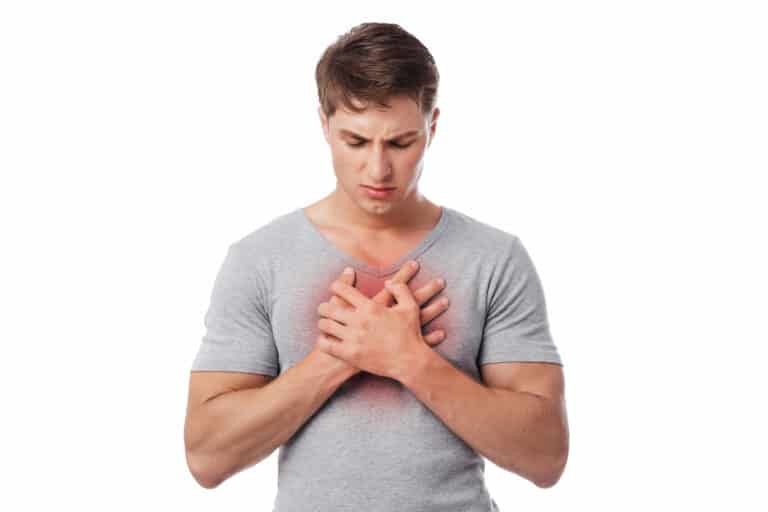
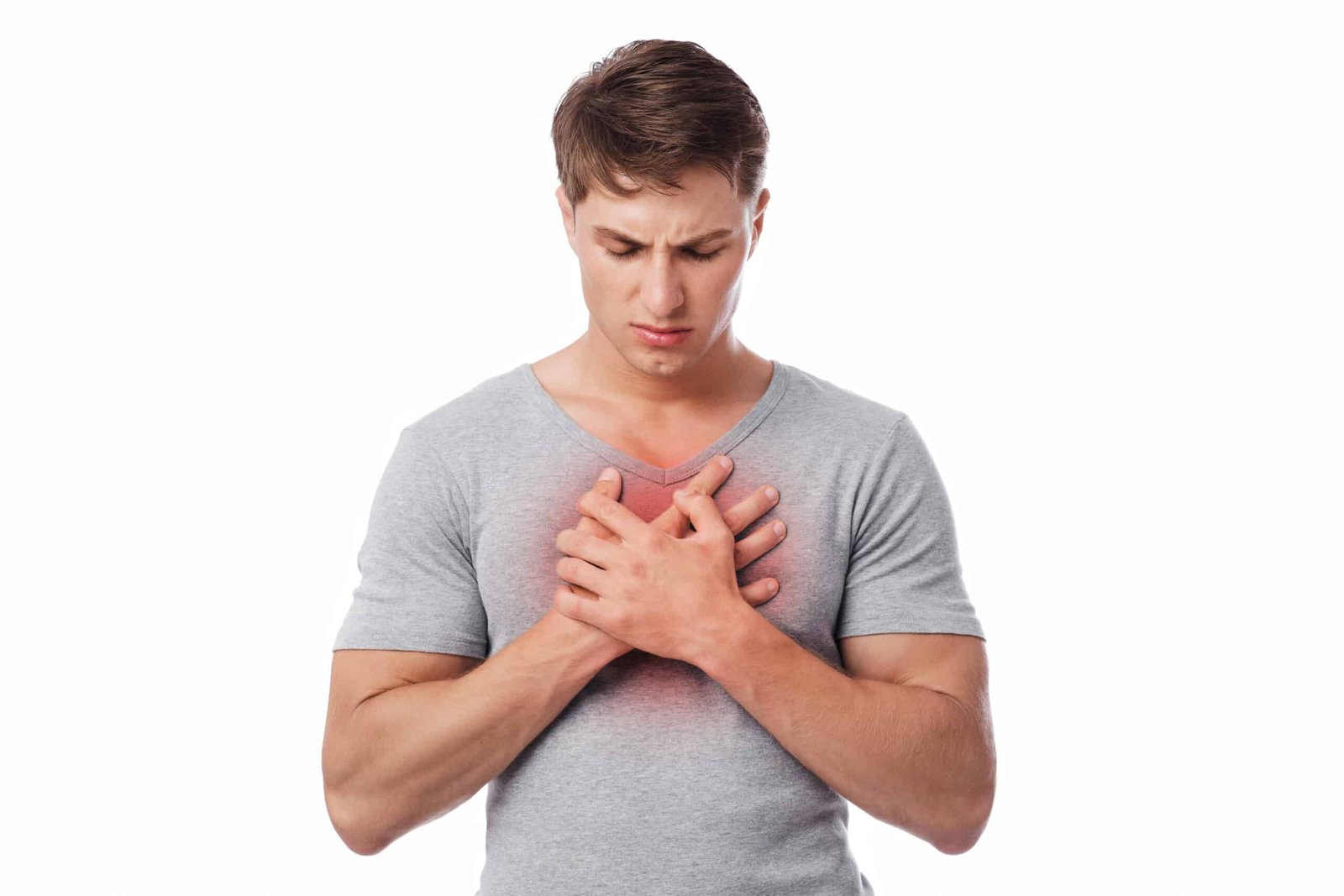
A racing heart, a pounding in the chest, missed or extra beats, a fluttering sensation — heart palpitations are among the most frightening symptoms anxiety can produce. And because they feel so distinctly cardiac, so impossible to dismiss, they often trigger a second wave of alarm: the fear that something is seriously wrong with your heart.
For the vast majority of people with anxiety, that fear is unfounded. But it deserves a proper explanation — one that is medically accurate, not merely reassuring.
Why Anxiety Makes Your Heart Race: The Mechanisms
The Adrenaline Response
When anxiety activates the fight-or-flight response, the adrenal glands release adrenaline (epinephrine) and noradrenaline (norepinephrine) into the bloodstream. These catecholamines bind to beta-adrenergic receptors on the heart, directly increasing both heart rate (chronotropy) and the force of contraction (inotropy). The heart is doing exactly what these hormones are designed to make it do — preparing the cardiovascular system for physical exertion that, in the context of a real threat, would be imminent.
The problem is that in anxiety, this response fires in the absence of genuine physical danger — leaving the heart racing for psychological rather than physical reasons.
The Autonomic Imbalance
The heart rate is modulated by the balance between sympathetic (accelerating) and parasympathetic (braking) nervous system input. In anxiety disorders, this balance is shifted toward sympathetic dominance — meaning the parasympathetic brake is less effective at controlling heart rate. A meta-analysis in Clinical Psychology Review (2012) found that anxiety disorders are consistently associated with reduced heart rate variability (HRV) — a direct measure of this parasympathetic-sympathetic imbalance — across GAD, panic disorder, social anxiety, and PTSD.
Ectopic Beats
Anxiety can trigger premature atrial contractions (PACs) or premature ventricular contractions (PVCs) — extra heartbeats that occur between normal beats. These produce the sensations of skipped beats, fluttering, or a heavy thud in the chest. They are common, generally benign, and directly provoked by catecholamine surges. Research in the American Journal of Cardiology (2000) found that PVCs were significantly more common in people with high anxiety — and that anxiety reduction reduced their frequency.
Hyperventilation Effects on the Heart
Anxiety-related hyperventilation drops blood CO₂, causing respiratory alkalosis. This directly affects cardiac cell excitability and can produce or worsen arrhythmias and palpitations. Research published in the Journal of Psychosomatic Research (2001) confirmed that hyperventilation-induced alkalosis produces cardiac symptoms including palpitations and chest discomfort — distinct from the direct adrenergic effects of the stress response.
When Palpitations Are and Are Not Dangerous
This is the critical distinction. Most anxiety-related palpitations are benign — uncomfortable, frightening, but not a sign of structural heart disease. However, certain features warrant medical evaluation:
Seek medical attention promptly if palpitations are accompanied by:
- Chest pain, pressure, or tightness
- Fainting or loss of consciousness
- Severe shortness of breath at rest
- Palpitations that start and stop suddenly and feel rapid and regular (may suggest SVT or other arrhythmia)
- Palpitations during exercise rather than at rest
- A personal or family history of heart disease, structural heart abnormality, or sudden cardiac death
A study in the Journal of Psychosomatic Research (2012) found that among patients presenting to emergency departments with palpitations, a substantial proportion had no detectable cardiac cause — with anxiety and panic being among the most common underlying diagnoses after cardiac causes were ruled out.
A standard workup for new palpitations typically includes an ECG, basic blood tests (thyroid function, electrolytes, full blood count), and a physical examination. If results are normal, anxiety is a highly likely contributing cause — but this determination should be made by a clinician, not assumed.
The Fear-Palpitation Cycle
Anxiety-related palpitations create a particularly vicious cycle because the symptoms themselves are frightening:
- Anxiety triggers palpitations via adrenaline and autonomic imbalance
- Palpitations trigger fear of cardiac disease or sudden death
- Fear amplifies sympathetic activation
- Amplified sympathetic activation worsens palpitations
- Attention becomes hypervigilant to heartbeat, amplifying sensation further
Clark’s cognitive model of panic disorder specifically identified catastrophic interpretation of cardiac sensations as the primary driver of escalating panic. Accurate understanding of why palpitations occur — and what they do and don’t signify — is itself a therapeutic intervention.
Evidence-Based Approaches to Anxiety-Related Palpitations
Slow Breathing (Most Direct Intervention)
Slow, diaphragmatic breathing at 5–6 breaths per minute directly activates the parasympathetic nervous system through the baroreflex and vagal pathways — reducing heart rate and counteracting the adrenergic stimulation driving palpitations. Research in Applied Psychophysiology and Biofeedback (2006) confirmed that breathing at this rate produces the largest acute improvements in HRV and parasympathetic tone. See our breathing techniques guide.
Vagal Manoeuvres
Vagal manoeuvres stimulate the vagus nerve and rapidly slow heart rate — used clinically for certain arrhythmias and helpful for anxiety-related tachycardia:
- The Valsalva manoeuvre: Bearing down as if having a bowel movement for 10–15 seconds activates the vagus nerve and slows the heart
- Cold water on the face: Activates the dive reflex — a powerful vagal response — rapidly slowing heart rate
- Carotid sinus massage: Should only be performed under medical supervision
Read more in our guide on vagus nerve exercises.
Magnesium
Magnesium is essential for cardiac electrophysiology — it regulates ion channels that control the electrical stability of the heart. Magnesium deficiency is associated with increased ectopic beats and cardiac arrhythmias. Research in the Journal of the American College of Nutrition (1999) found that magnesium supplementation reduced the frequency of cardiac arrhythmias in deficient patients — and magnesium deficiency is common in people under chronic stress. Read our magnesium guide.
Caffeine and Stimulant Reduction
Caffeine is a direct sympathomimetic — it stimulates the same receptors as adrenaline, increasing heart rate and increasing susceptibility to ectopic beats. For those with anxiety-related palpitations, reducing or eliminating caffeine is often one of the most immediately effective changes. Research in the Annals of Internal Medicine found that caffeine reduction significantly reduced palpitation frequency in susceptible individuals.
Addressing Dehydration and Electrolyte Imbalance
Dehydration reduces blood volume and increases heart rate; low potassium and magnesium directly destabilise cardiac electrical activity. Maintaining adequate hydration and electrolyte balance — particularly during periods of high stress or intense exercise — reduces palpitation frequency.
Regular Aerobic Exercise
Regular moderate exercise improves autonomic balance, reduces resting heart rate, increases HRV, and reduces the frequency of anxiety-related palpitations over time. The 2015 European Journal of Preventive Cardiology meta-analysis found that regular aerobic exercise produced significant sustained improvements in cardiac autonomic regulation across 74 studies.
What to Do During an Episode
- Slow your breathing immediately — long exhalations activate the vagus nerve and directly reduce heart rate
- Sit or lie down — reduces cardiac workload
- Apply cold water to your face or wrists — triggers the dive reflex and slows heart rate rapidly
- Do not check your pulse repeatedly — pulse-checking increases anxiety and hypervigilance, amplifying the palpitations
- Remind yourself — anxiety-related palpitations are not dangerous; they reflect a physiological response, not cardiac disease
The Bottom Line
Anxiety-related heart palpitations are real, common, and mechanically well understood. For the vast majority of people with anxiety — once cardiac causes have been appropriately ruled out — they represent a benign but distressing symptom of autonomic dysregulation, not structural heart disease.
They respond directly to the same interventions that address anxiety more broadly: slow breathing, vagal activation, magnesium support, reduced caffeine, and regular exercise. And they become less frightening — and therefore less frequent — once their mechanism is understood.
💡 Important note: If you are experiencing new or worsening palpitations, always get them evaluated by a doctor first. Once cardiac causes are ruled out, the approaches in this article are appropriate to explore — but the medical evaluation comes first.
❓ Frequently Asked Questions
Can anxiety cause heart palpitations?
Yes. Anxiety activates the sympathetic nervous system, releasing adrenaline that directly increases heart rate and can cause palpitations — sensations of the heart racing, pounding, skipping beats, or fluttering. These are physiologically real and harmless in the absence of underlying heart disease.
How do I stop heart palpitations from anxiety?
To interrupt anxiety-related palpitations: slow your breathing immediately (extended exhale stimulates the vagus nerve and slows heart rate), try the Valsalva maneuver (bear down as if having a bowel movement for 10 seconds), or splash cold water on your face to activate the dive reflex. Reducing caffeine also significantly helps.
When should I worry about heart palpitations?
Seek medical evaluation if palpitations are accompanied by chest pain, shortness of breath, dizziness, fainting, or occur during exercise. Also see a doctor if palpitations are frequent, prolonged (lasting more than a few minutes), or new in onset. An ECG can rule out cardiac arrhythmias.
Does caffeine make anxiety palpitations worse?
Yes. Caffeine stimulates the sympathetic nervous system and directly increases heart rate variability and palpitation frequency in anxiety-prone individuals. Reducing or eliminating caffeine — especially from coffee, energy drinks, and pre-workout supplements — often produces a rapid improvement in heart palpitations related to anxiety.
Can magnesium help with anxiety-related palpitations?
Yes. Magnesium plays a critical role in cardiac electrical function, and deficiency is associated with increased palpitation frequency. Magnesium glycinate supplementation has been shown to reduce palpitations and support cardiovascular and nervous system calm. This is one reason magnesium is particularly valuable for people with anxiety and palpitations.
Looking for something specific?
Search all our science-backed articles on natural anxiety relief.