⚠️ Medical Disclaimer: This article is for informational purposes only and does not constitute medical advice. If you experience frequent panic attacks, please consult a qualified healthcare provider.
Natural remedies for panic attacks do exist — and some have meaningful evidence behind them. This guide covers what actually works, what the research shows, and how to integrate these approaches practically.
Understanding What You’re Working With
Panic attacks are driven by a massive sympathetic nervous system discharge — adrenaline, noradrenaline, and cortisol flooding the body, producing the characteristic heart racing, chest tightness, dizziness, and overwhelming dread. Natural remedies for panic attacks work through one of three pathways: reducing the frequency of attacks at baseline (preventative), reducing the intensity during an attack (acute), or reducing the fear of attacks (which drives the cycle). The most effective approaches address all three.
Evidence-Based Natural Approaches
1. Slow Breathing and HRV Training (Strongest Evidence)
Slow diaphragmatic breathing at 5–6 breaths/minute is the most direct natural intervention for both acute panic and panic prevention. During an attack, extended exhale breathing (4 counts in, 8 out) activates the vagus nerve and raises CO₂ — directly reversing the hyperventilation-induced vasoconstriction that produces dizziness and tingling. For prevention, daily resonance frequency breathing (5-5 rhythm) improves baseline HRV and parasympathetic tone, reducing susceptibility to panic. A 2016 meta-analysis in Applied Psychophysiology and Biofeedback found HRV biofeedback — guided slow breathing with real-time HRV feedback — significantly reduced panic symptoms and anxiety across 24 studies. See our full breathing guide.
2. Vagus Nerve Activation
The vagus nerve is the primary parasympathetic pathway — stimulating it rapidly shifts the autonomic nervous system away from the sympathetic discharge driving panic. Evidence-supported vagal activation techniques for acute and preventative use:
- Cold water on the face: Activates the mammalian dive reflex — a hardwired vagal response that rapidly slows heart rate. Immerse face in cold water for 15–30 seconds or splash cold water repeatedly
- Humming and gargling: Vibrate the vagus nerve through the throat — hum a sustained note or gargle water for 30 seconds
- The physiological sigh: Double inhale through the nose, long exhale — maximally activates the vagal brake. Shown to produce the fastest anxiety reduction of any breathing technique (Cell Reports Medicine, 2023)
See our full vagus nerve guide.
3. Magnesium Glycinate
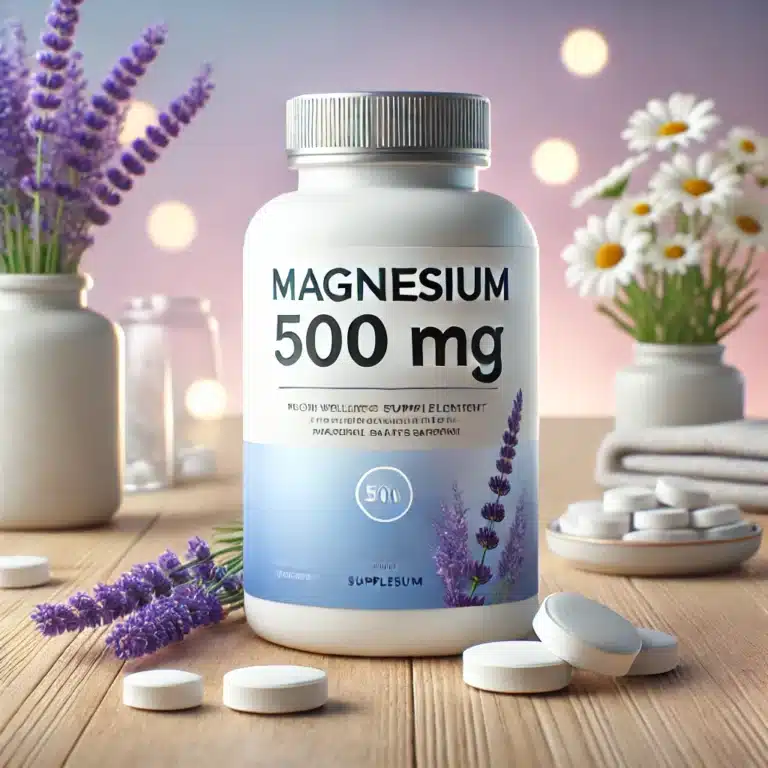
Magnesium deficiency lowers the threshold for panic by increasing neuronal excitability, amplifying the adrenergic response, and reducing GABA tone. Research in Magnesium Research (2012) found magnesium supplementation significantly reduced anxiety and autonomic reactivity in deficient individuals. 200–400mg magnesium glycinate daily is a well-tolerated preventative approach. Read our magnesium guide.
4. L-Theanine
L-theanine’s GABAergic and glutamatergic effects produce a state of calm alertness that can reduce baseline panic susceptibility. At 200mg taken when anticipating a stressful situation, it blunts the anxiety and cortisol response without sedation. Research showed significant alpha wave induction and reduced anxiety responses within 45 minutes. Read our L-theanine guide.
5. Regular Aerobic Exercise
Exercise reduces anxiety sensitivity — the fear of anxiety symptoms themselves — which is the primary maintaining factor in panic disorder. A 2013 meta-analysis in Anxiety, Stress, and Coping found that exercise significantly reduced anxiety sensitivity across multiple studies. By regularly experiencing elevated heart rate, breathlessness, and sweating in a safe context, exercise recalibrates the brain’s interpretation of these sensations as normal rather than threatening. See our exercise guide.
6. Ashwagandha
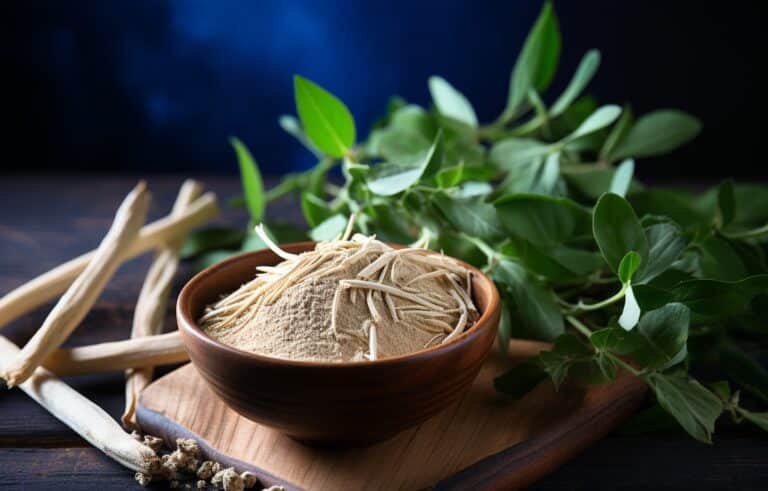
As an HPA axis modulator, ashwagandha reduces the cortisol and adrenergic hyperreactivity that increases panic susceptibility. The 2012 RCT documenting 27.9% cortisol reduction is particularly relevant for panic disorder, where HPA axis dysregulation is a well-documented feature. Read our ashwagandha guide.
7. Grounding and Sensory Engagement
The 5-4-3-2-1 technique (5 things you can see, 4 you can touch, 3 you can hear, 2 you can smell, 1 you can taste) engages prefrontal cortical processing and pulls attentional resources away from the amygdala-driven panic response. Research in Behaviour Research and Therapy (2013) found sensory grounding significantly reduced panic symptoms and dissociation. See our grounding guide.
8. Interoceptive Exposure (Most Powerful Long-Term)
Deliberately inducing mild panic sensations in a safe context — spinning in a chair to produce dizziness, breathing through a straw to produce breathlessness, doing jumping jacks to raise heart rate — and experiencing that these sensations are harmless, directly reduces fear of the sensations themselves. This is the most powerful long-term strategy for reducing panic frequency because it targets the cognitive amplification loop at its root. It is a core component of panic-focused CBT and can be practiced independently. Meta-analyses of panic-focused CBT show 70–90% remission rates.
What to Avoid
- Caffeine: Direct sympathomimetic — raises heart rate, increases anxiety sensitivity, lowers panic threshold
- Alcohol: Short-term relief followed by rebound sympathetic activation and increased panic susceptibility — particularly during withdrawal
- Avoidance: Avoiding panic triggers maintains and strengthens the panic disorder. Approach, with appropriate support, is the route through it
- Excessive reassurance-seeking: Repeatedly checking in with others or seeking medical reassurance temporarily reduces panic but prevents the desensitisation needed for lasting improvement
The Bottom Line
Natural approaches to panic attacks work — and the evidence behind the best of them is substantial. Breathwork, vagal activation, magnesium, L-theanine, exercise, and interoceptive exposure each address different components of the panic cycle. Used consistently and combined with an understanding of what panic actually is, they can meaningfully reduce both the frequency and intensity of attacks — without pharmacological side effects.
💡 Note: For frequent, disabling panic attacks, these natural approaches are best used alongside — not instead of — professional support. Panic-focused CBT with a trained therapist remains the gold standard and can be combined with all the natural approaches listed here.
❓ Frequently Asked Questions
What are the best natural remedies for panic attacks?
The most evidence-based natural approaches for panic attacks include breathing retraining (4-7-8 or diaphragmatic breathing), the 5-4-3-2-1 grounding technique, progressive muscle relaxation, vagus nerve stimulation (cold water, slow breathing), magnesium glycinate supplementation, and regular aerobic exercise. Cognitive Behavioral Therapy is the gold-standard non-pharmacological treatment.
Can magnesium stop panic attacks?
Magnesium does not immediately stop an acute panic attack, but consistent magnesium glycinate supplementation can reduce panic attack frequency and severity over time by supporting GABA activity, reducing hyperexcitability, and lowering baseline cortisol. It works as a preventive support, not an acute rescue remedy.
Does L-theanine help panic attacks?
L-theanine promotes calm alertness by increasing alpha brainwave activity and supporting GABA and serotonin balance. It can reduce anxiety and mild panic symptoms, but it is not a fast-acting intervention for acute panic. It works best as a daily supplement to reduce baseline anxiety reactivity.
What should I do during a panic attack?
During a panic attack: stay where you are, remind yourself the attack will pass and is not dangerous, slow your breathing immediately (extended exhale), use grounding techniques (5-4-3-2-1), and avoid fleeing the situation (which reinforces avoidance). Cold water on the face can rapidly activate the dive reflex and slow heart rate.
When should I see a doctor for panic attacks?
See a doctor if panic attacks are recurrent (more than once a month), cause significant behavioral changes (avoiding situations to prevent attacks), are not clearly linked to anxiety, or are accompanied by new chest pain, irregular heartbeat, or other unexplained physical symptoms. Panic disorder is very treatable with appropriate support.
Looking for something specific?
Search all our science-backed articles on natural anxiety relief.