⚠️ Medical Disclaimer: This article is for informational purposes only and does not constitute medical advice.
A nervous system reset protocol is not a single intervention — it is a structured combination of evidence-based practices targeting the multiple biological mechanisms that maintain chronic anxiety and nervous system dysregulation. This protocol draws from the strongest research across breathwork, sleep, nutrition, movement, and supplementation.
The Core Problem This Protocol Addresses
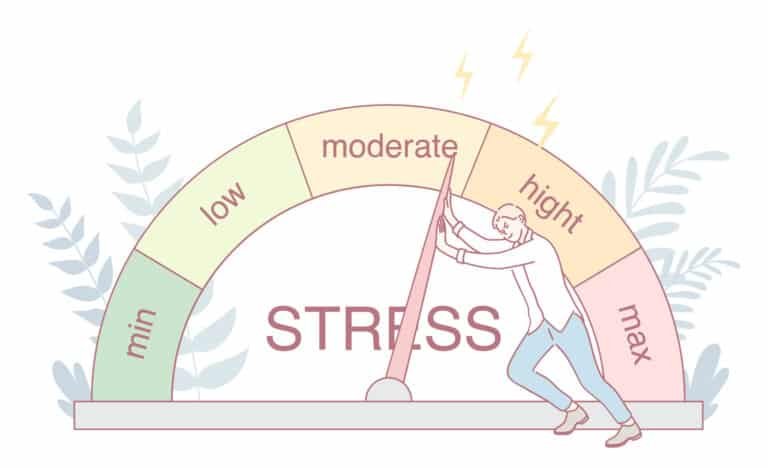
Chronic anxiety reflects a nervous system stuck in sympathetic dominance — characterised by low heart rate variability, elevated resting cortisol, amygdala hyperreactivity, weakened prefrontal cortical control, and often gut microbiome dysbiosis and neuroinflammation. An effective reset protocol must address all of these simultaneously, because they are mutually reinforcing. Targeting only one dimension (e.g., supplements alone, or therapy alone) typically produces partial results.
The Protocol: Layer by Layer
Layer 1: Morning Anchors (Daily, Non-Negotiable)
Consistent wake time — The most powerful circadian anchor. Set your alarm for the same time every day, including weekends. This single habit normalises the cortisol awakening response and stabilises the entire hormonal rhythm of the day.
Morning sunlight (10–30 minutes) — Go outside within 30–60 minutes of waking. Even on cloudy days, outdoor light is 10–50× brighter than indoor lighting. This sets the circadian clock, amplifies the cortisol awakening response, and determines when melatonin rises in the evening. Research in Science (2001) confirmed morning light as the primary zeitgeber for circadian synchronisation. See our sunlight guide.
Morning breathwork (10–20 minutes) — Resonance frequency breathing: 5 counts in, 5 counts out. This is the single most evidence-based practice for improving HRV and building parasympathetic tone. Research in Applied Psychophysiology and Biofeedback (2006). See our breathing guide.
Cold shower finish (30–60 seconds) — End your shower with cold water on the face, neck, and chest. Activates the dive reflex, stimulates the vagus nerve, and produces a norepinephrine surge that improves mood and alertness for 2–4 hours. See our cold exposure guide.
Layer 2: Movement (3–5 Times Per Week)
Aerobic exercise (30–45 minutes) — The most robustly evidence-based anxiety intervention. Rebuilds hippocampal volume, normalises HPA axis, improves HRV, increases BDNF, and provides a controlled outlet for sympathetic activation. Meta-analysis of 49 studies confirmed significant anxiety reduction. Morning outdoor exercise combines exercise, light exposure, and grounding simultaneously. See our exercise guide.
Layer 3: Nutrition and Supplementation (Daily)
Magnesium glycinate (200–400mg, evening) — Supports GABA function, reduces HPA axis reactivity, promotes melatonin synthesis, and relaxes muscles. One of the most commonly deficient minerals in anxious people. Systematic review confirming anxiolytic effects. Read our magnesium guide.
Omega-3 fatty acids (2–3g EPA+DHA, with food) — Anti-inflammatory, supports neuronal membrane function, and shown to reduce anxiety by 20% in RCT. Brain, Behavior, and Immunity (2011).
Ashwagandha KSM-66 (300mg twice daily) — For the first 8 weeks, as an HPA axis modulator. 27.9% cortisol reduction in 60-day RCT. Read our ashwagandha guide.
Anti-inflammatory diet — Mediterranean pattern: fatty fish 3×/week, olive oil, vegetables, legumes, fermented foods daily. Reduces neuroinflammation and supports gut microbiome. SMILES RCT confirmed superior anxiety outcomes vs social support alone.
Layer 4: Sleep Architecture (Daily)
Consistent sleep and wake times — Already covered in Layer 1, but essential to reinforce: sleep consistency is more important than total duration for circadian health.
Evening light reduction — Dim lights and use blue-light filters (f.lux, Night Shift) after 8pm. PNAS (2014) confirmed evening screen use delays melatonin onset by 1.5 hours.
No screens 30 minutes before bed — Allow melatonin to rise undisturbed.
L-theanine (200mg, 30 minutes before bed) — Promotes alpha wave activity, reduces pre-sleep arousal without sedation. 2019 Nutrients RCT confirmed sleep and anxiety benefits. Read our L-theanine guide.
Layer 5: Vagal Toning (Throughout the Day)
Humming while working — Sustained humming stimulates vagal branches through the throat. Can be done silently (laryngeal vibration) or audibly.
Physiological sigh when stressed — Double inhale through nose, long exhale. Fastest acute anxiety reduction of any breathing technique. Cell Reports Medicine (2023).
Barefoot grounding (20 minutes, when possible) — Barefoot contact with earth shifts autonomic balance toward parasympathetic dominance. See our grounding guide.
Timeline: What to Expect
- Week 1–2: Acute benefits from breathwork, cold exposure, and L-theanine. Sleep may improve. Some initial discomfort as patterns shift.
- Week 3–4: HRV begins improving. Cortisol rhythm starts normalising with consistent morning light and sleep timing. Energy and mood more stable.
- Week 6–8: Ashwagandha reaches full effect. Hippocampal neurogenesis from exercise begins contributing. Anxiety baseline measurably lower in most people.
- Month 3–6: Structural brain changes from consistent exercise and sleep consolidate. Nervous system flexibility (HRV) continues improving. Fewer and shorter anxiety episodes.
The Bottom Line
A comprehensive nervous system reset protocol addresses the biological roots of anxiety — not just the symptoms. By combining morning light, daily breathwork, aerobic exercise, sleep optimisation, targeted supplementation, and vagal toning into a consistent daily practice, most people experience meaningful improvement within 4–8 weeks and substantial recovery within 3–6 months. The key is consistency — the nervous system responds to what you do every day, not what you do occasionally.
💡 Start simple: If the full protocol feels overwhelming, begin with just three practices: consistent wake time, 10 minutes of morning breathwork, and magnesium glycinate before bed. These three alone will produce meaningful improvement — and create the foundation to add more layers over time.
Looking for something specific?
Search all our science-backed articles on natural anxiety relief.