
⚠️ Medical Disclaimer: This article is for informational purposes only and does not constitute medical advice. Always consult a qualified healthcare provider before starting any supplement, especially if you take medications or have a medical condition.
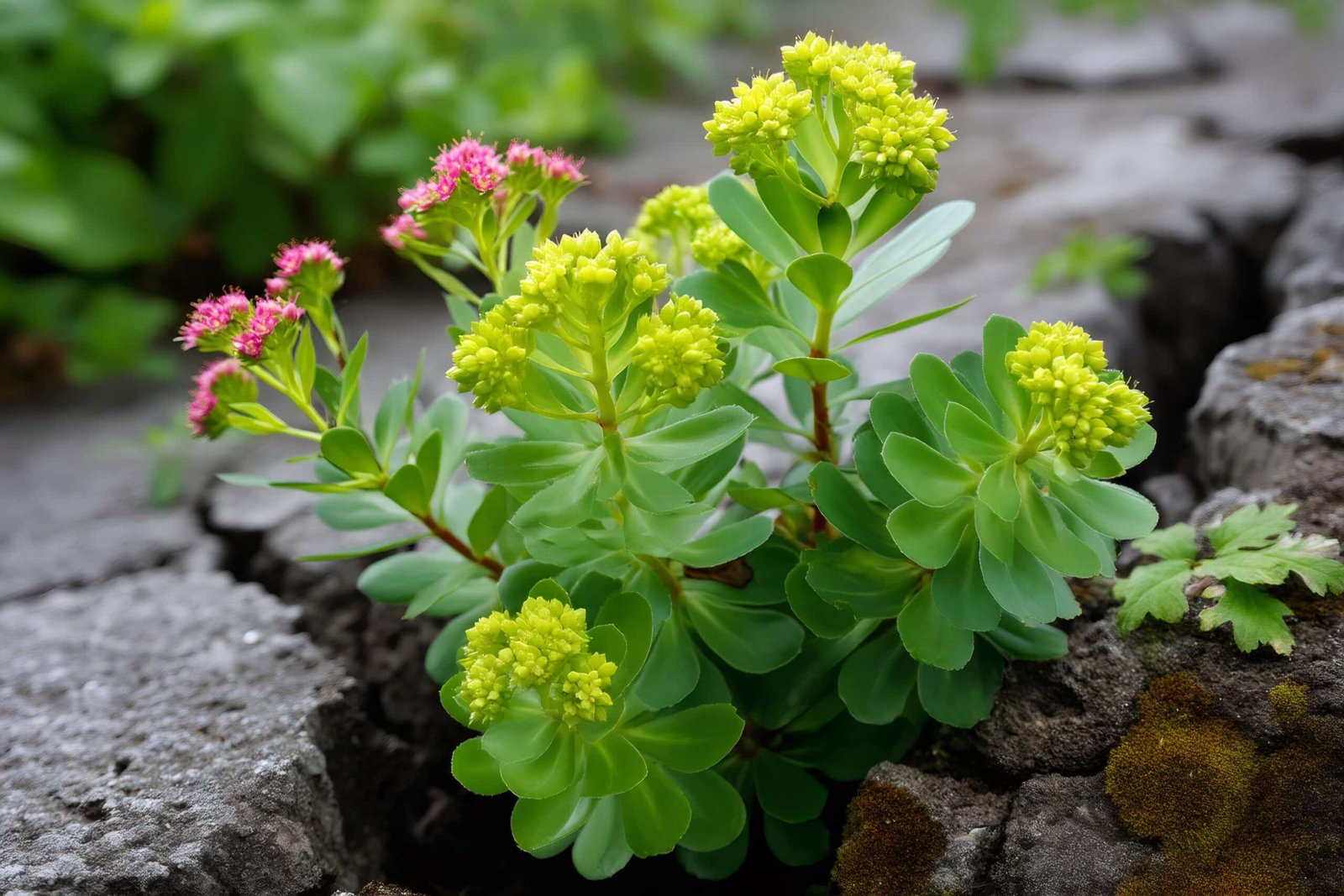
Rhodiola rosea is an adaptogenic herb that grows in cold, mountainous regions of Europe and Asia. It has a long history of use in Scandinavian and Russian traditional medicine — valued for centuries to help people endure harsh climates, physical hardship, and mental fatigue.
Today, it’s one of the most studied adaptogens in the world. And unlike many supplements that promise more than they deliver, Rhodiola has a surprisingly solid body of clinical evidence behind it.
This article covers what Rhodiola actually does, what the research shows, who it’s most likely to help, and how to use it sensibly.
What Is Rhodiola Rosea?
Rhodiola rosea (also known as golden root, arctic root, or rose root) is a perennial plant that thrives in extreme environments — high altitudes, rocky terrain, and freezing temperatures. These survival conditions are thought to be part of why the plant develops such potent bioactive compounds.
The root contains over 140 active compounds. The two most important for human health are:
- Rosavins — a group of compounds unique to Rhodiola rosea (not found in other Rhodiola species)
- Salidroside — also called tyrosol glucoside, found across the Rhodiola genus and considered a key active compound
High-quality Rhodiola extracts are standardised to contain at least 3% rosavins and 1% salidroside — the ratio naturally found in the root.
How Rhodiola Works: The Science
Rhodiola is classified as an adaptogen — a substance that helps the body adapt to physical, chemical, and biological stress without causing harm. But what does that actually mean in practice?
Research suggests Rhodiola works through several interconnected pathways:
1. Regulates the Stress Response System
Rhodiola appears to modulate the hypothalamic-pituitary-adrenal (HPA) axis — the central system controlling cortisol release. Rather than simply suppressing cortisol, it helps normalise the stress response, making it more proportionate and efficient. A 2002 review in HerbalGram outlined Rhodiola’s adaptogenic effects on the HPA axis and stress hormone regulation.
2. Supports Neurotransmitter Balance
Studies suggest Rhodiola inhibits the enzyme monoamine oxidase (MAO), which breaks down serotonin, dopamine, and norepinephrine. This may help sustain mood-supporting neurotransmitters for longer. It also appears to enhance the transport of serotonin precursors across the blood-brain barrier. A 2007 study published in the Nordic Journal of Psychiatry explored these neurotransmitter mechanisms in detail.
3. Reduces Cellular Stress Proteins
Rhodiola activates heat shock proteins and reduces stress-induced damage at the cellular level. Research published in Phytomedicine (2009) demonstrated Rhodiola’s capacity to protect cells from stress-induced damage, which is one reason it has been studied for physical endurance as well as mental resilience.
4. Anti-Inflammatory Effects
Chronic stress and anxiety are closely linked to systemic inflammation. Rhodiola has demonstrated anti-inflammatory properties in multiple studies. A 2016 review in Phytotherapy Research documented salidroside’s anti-inflammatory mechanisms and their relevance to stress-related conditions.
5. Neuroprotective Activity
Salidroside in particular has shown neuroprotective effects in preclinical research — protecting neurons from oxidative stress and supporting overall brain health. A 2014 study in Evidence-Based Complementary and Alternative Medicine reviewed the neuroprotective potential of salidroside across multiple studies.
What the Research Actually Shows
Rhodiola is one of the better-studied adaptogens. Here’s a summary of the key clinical evidence:
Stress and Burnout
A 2009 randomised controlled trial published in Phytomedicine found that Rhodiola extract (WS 1375) significantly reduced symptoms of stress-related burnout compared to placebo. Participants showed improvements in attention, cognitive function, and overall wellbeing after just four weeks.
A larger open-label study published in Neuropsychiatric Disease and Treatment (2012) followed 101 people with life-stress symptoms taking 400mg of Rhodiola extract daily for four weeks. Significant improvements were seen in stress, fatigue, exhaustion, and anxiety — with measurable changes visible within the first three days.
Anxiety and Generalised Anxiety Disorder
A 2008 pilot study published in the Journal of Alternative and Complementary Medicine tested Rhodiola in 10 people with generalised anxiety disorder (GAD). After 10 weeks of 340mg daily, participants showed significant reductions in anxiety scores and disability — with effects comparable to some pharmaceutical interventions but with a considerably better side-effect profile.
Mental Fatigue and Cognitive Performance
A double-blind crossover study published in Phytomedicine (2000) of physicians on night shift found that a single dose of Rhodiola extract significantly improved performance on cognitive tests compared to placebo. A separate study of students during exam periods showed similar benefits — reduced fatigue, better mental clarity, and improved test scores, published in the journal Phytomedicine (2003).
Depression
A randomised, double-blind, placebo-controlled trial published in Phytomedicine (2015) compared Rhodiola extract to sertraline (a common antidepressant) and placebo in people with mild-to-moderate depression. Rhodiola produced smaller improvements than sertraline but was significantly better than placebo — and was associated with far fewer side effects and substantially better tolerability.
Physical Performance and Recovery
Rhodiola has also been studied for physical endurance. A 2004 study in the International Journal of Sport Nutrition and Exercise Metabolism showed improved time-to-exhaustion and reduced perceived exertion in endurance athletes, though results across this area are mixed and effects appear modest.
Rhodiola vs Ashwagandha: Which Is Better for Anxiety?
This is one of the most common questions about adaptogens. Here’s an honest comparison:
- Rhodiola tends to be more stimulating and energising. It’s better for stress-related fatigue, burnout, and mental exhaustion. It works relatively quickly — sometimes within days.
- Ashwagandha tends to be more calming and sedating. It’s better for chronic anxiety, sleep disturbance, and high cortisol. It typically takes 4–8 weeks to reach full effect.
Some people do well on both. Others find Rhodiola too stimulating and prefer Ashwagandha alone. If your anxiety tends to feel “wired,” Rhodiola may amplify that slightly in the early days — so starting with a low dose is wise. You can read our full Ashwagandha guide here for a deeper comparison.
Dosage: What the Evidence Supports
Most clinical studies have used standardised Rhodiola extracts (3% rosavins, 1% salidroside) in the following ranges:
- For stress and fatigue: 200–400mg per day
- For anxiety: 340mg per day (based on the GAD pilot study)
- For acute mental performance: 200–300mg taken 1–2 hours before a demanding task
Rhodiola is typically taken in the morning or early afternoon — not in the evening, as it can be mildly stimulating and may affect sleep if taken too late.
Many practitioners recommend cycling Rhodiola: 6–8 weeks on, 2–4 weeks off. This appears to preserve sensitivity and may enhance long-term effectiveness, though the evidence for cycling specifically is limited.
Safety and Side Effects
Rhodiola has a strong safety record in clinical trials. A comprehensive safety review published in Neuropsychiatric Disease and Treatment confirmed that side effects are generally mild and uncommon, and may include:
- Mild agitation or restlessness, especially at higher doses or in sensitive individuals
- Dizziness or dry mouth (rare)
- Insomnia if taken too late in the day
Rhodiola is considered safe for most healthy adults at standard doses. However, caution is warranted in the following situations:
- Medications: Rhodiola may interact with antidepressants (particularly MAOIs and SSRIs), stimulants, and blood pressure medications. Always consult your doctor if you’re on prescription medications.
- Pregnancy and breastfeeding: Insufficient safety data — avoid during pregnancy.
- Autoimmune conditions: As an immune modulator, Rhodiola may theoretically stimulate immune activity. Those with autoimmune conditions should seek medical advice first.
- Bipolar disorder: The mild stimulating effect means Rhodiola should be used cautiously — and only under medical supervision — in bipolar disorder.
How to Choose a Quality Rhodiola Supplement
Supplement quality varies enormously. The independent testing organisation ConsumerLab has found significant variation in the actual content of Rhodiola products vs their label claims. Here’s what to look for:
- Standardised extract: Look for 3% rosavins and 1% salidroside — the ratio that matches clinical study extracts
- Species verification: Must be Rhodiola rosea — not other Rhodiola species, which have different compound profiles
- Third-party testing: Look for NSF, USP, or Informed Sport certification to confirm purity and potency
- No unnecessary fillers: Avoid products with artificial colours, proprietary blends that hide doses, or added stimulants
Practical Tips for Getting Started
- Start low: Begin with 100–200mg and assess your response before increasing
- Take it in the morning: With or without food — some people find it easier on the stomach with a small meal
- Give it time: While some people notice effects quickly, full benefits for stress and anxiety may take 2–4 weeks
- Track your response: Keep a simple journal of energy, mood, and anxiety levels so you can assess whether it’s working
- Combine thoughtfully: Rhodiola pairs well with L-theanine (for those who find it too stimulating) or magnesium glycinate (for sleep support)
The Bottom Line
Rhodiola rosea is one of the most evidence-backed adaptogens available. For stress, burnout, mental fatigue, and anxiety — particularly when those symptoms include exhaustion rather than agitation — it has meaningful clinical support behind it.
It’s not a magic fix, and it’s not right for everyone. But compared to many supplements that populate the anxiety-relief market, Rhodiola earns its place on the shortlist of options genuinely worth considering.
If you’re already addressing sleep, exercise, and the fundamentals of nervous system health, Rhodiola may be a useful addition to your toolkit — especially during periods of sustained stress or burnout.
💡 Note: If you’re dealing with significant anxiety, it’s worth speaking with a healthcare provider before adding any supplement to your routine. Adaptogens work best as one piece of a broader approach — not as a standalone solution.
Looking for something specific?
Search all our science-backed articles on natural anxiety relief.