
⚠️ Medical Disclaimer: This article is for informational purposes only and does not constitute medical advice.
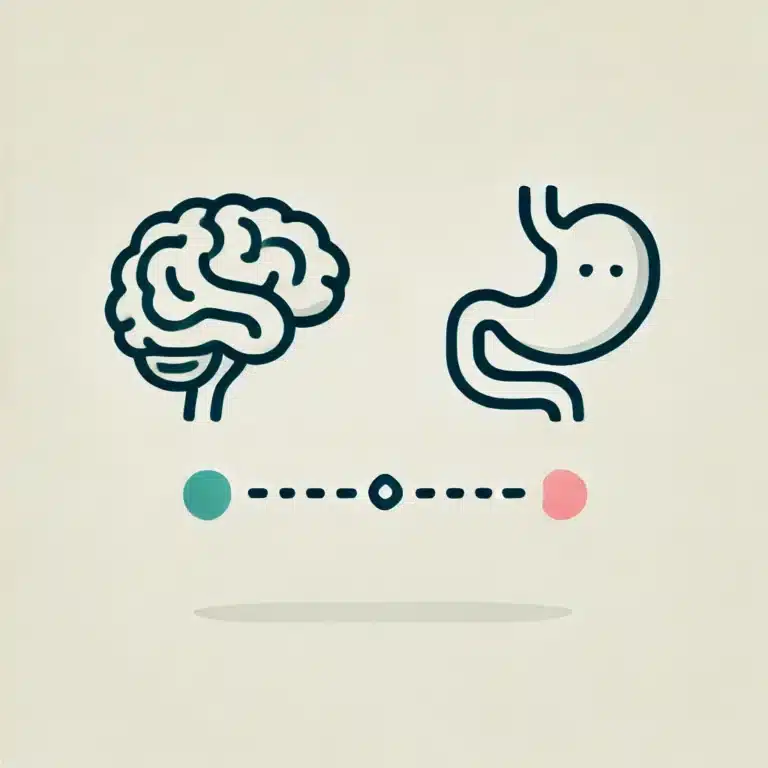
The connection between gut health and anxiety is stronger, more direct, and more evidence-based than most people — including many healthcare providers — realise. The gut and brain are in constant bidirectional communication through a network of neural, hormonal, and immunological pathways so extensive that the gut is now sometimes called the “second brain.”
This connection has a name: the gut-brain axis. And disruptions to it are now established as a genuine contributor to anxiety — not a fringe theory, but mainstream neuroscience.
The Gut-Brain Axis: How It Works
The Vagus Nerve
The vagus nerve is the primary highway of the gut-brain axis — a bidirectional information pathway connecting the enteric nervous system (the gut’s own neural network) directly to the brainstem and limbic system. Approximately 80–90% of the fibres in the vagus nerve run from the gut to the brain — meaning the gut sends far more information upward than the brain sends down. Research published in the Journal of Psychiatry and Neuroscience (2012) reviewed the vagal pathway as a primary route through which gut microbiome composition influences brain function and mood.
Serotonin Production in the Gut
Approximately 90–95% of the body’s serotonin — the neurotransmitter most associated with mood and anxiety — is produced in the gut, primarily by enterochromaffin cells in the intestinal lining. Gut microbiome composition directly regulates serotonin synthesis: certain bacterial strains stimulate serotonin production, while dysbiosis (microbiome imbalance) reduces it. Research in Cell (2015) demonstrated that specific gut bacteria — particularly Clostridia species — are necessary for normal intestinal serotonin production, and that germ-free animals (without gut bacteria) showed dramatically reduced serotonin levels and abnormal anxiety behaviour.
The Immune-Inflammation Pathway
The gut contains approximately 70% of the body’s immune cells. When the gut microbiome is disrupted, intestinal permeability increases — allowing bacterial products including lipopolysaccharide (LPS) to enter systemic circulation. LPS triggers immune activation and systemic inflammation, which drives neuroinflammation and anxiety. Research in Brain, Behavior, and Immunity (2012) documented this pathway from gut dysbiosis through intestinal permeability to neuroinflammation to anxiety behaviour.
The HPA Axis and Cortisol
The gut microbiome directly regulates HPA axis activity — the central stress response system. A landmark study in Gastroenterology (2011) found that germ-free mice showed exaggerated HPA axis and cortisol responses to stress — and that colonising them with specific Lactobacillus strains normalised their stress response. This demonstrated direct microbial regulation of the cortisol axis.
Clinical Evidence: Gut Interventions Reducing Anxiety
Probiotics (Psychobiotics)
A 2015 randomised controlled trial in Psychopharmacology found that Lactobacillus helveticus R0052 combined with Bifidobacterium longum R0175 significantly reduced anxiety and cortisol compared to placebo after 30 days. This is one of the most cited trials in the emerging field of psychobiotics — probiotics with documented effects on the brain and mental health.
Dietary Intervention
The SMILES trial published in BMC Medicine (2017) — a randomised controlled trial — found that a Mediterranean dietary intervention produced significantly greater improvements in depression and anxiety than social support alone. The Mediterranean diet’s prebiotic fibre, polyphenols, and omega-3s all support microbiome diversity and reduce gut inflammation.
Fermented Foods
A 2021 randomised trial in Cell found that a high-fermented-food diet (kefir, kimchi, kombucha, yoghurt) significantly increased microbiome diversity and reduced inflammatory markers compared to a high-fibre diet over 10 weeks. Microbiome diversity is consistently associated with better mental health outcomes.
Signs Your Gut May Be Contributing to Your Anxiety
- Anxiety accompanied by significant digestive symptoms (IBS, bloating, constipation, diarrhoea)
- Anxiety that worsened after antibiotic use or a gastrointestinal illness
- Anxiety that improves or worsens depending on what you eat
- A history of childhood gut infections or early antibiotic exposure
- Anxiety that doesn’t respond well to psychological interventions alone
How to Support Your Gut for Better Mental Health
- Probiotics: Look for multi-strain formulations including Lactobacillus helveticus and Bifidobacterium longum — the most studied strains for anxiety
- Fermented foods: Daily servings of kefir, yoghurt (live cultures), kimchi, sauerkraut, or kombucha
- Prebiotic fibre: Feed beneficial bacteria with onions, garlic, leeks, asparagus, oats, and legumes
- Mediterranean diet pattern: Olive oil, fatty fish, vegetables, legumes, nuts — anti-inflammatory and microbiome-supportive
- Reduce ultra-processed foods: Emulsifiers and artificial sweeteners disrupt microbiome composition
- Manage stress: Psychological stress directly disrupts gut motility and microbiome composition — the gut-brain axis runs in both directions. See our vagus nerve guide for nervous system support
- Omega-3s: EPA and DHA reduce gut inflammation and support the intestinal barrier
The Bottom Line
The gut-brain connection is one of the most significant and most underutilised areas of anxiety management. The evidence is clear: gut microbiome composition affects serotonin production, HPA axis regulation, vagal signalling, and systemic inflammation — all of which directly influence anxiety. Addressing gut health through diet, probiotics, and lifestyle is not an alternative to evidence-based anxiety treatment — it is evidence-based anxiety treatment, targeting a biological pathway that many conventional approaches overlook.
💡 Key research: The most accessible overview of the gut-brain axis and mental health is the 2012 review in the Journal of Psychiatry and Neuroscience — a landmark paper that helped establish the gut microbiome as a legitimate target for anxiety treatment.
❓ Frequently Asked Questions
How does gut health affect anxiety?
The gut and brain are connected via the gut-brain axis — a bidirectional communication network involving the vagus nerve, enteric nervous system, immune signaling, and the microbiome’s production of neurotransmitters. An unhealthy gut microbiome can increase inflammation, disrupt serotonin production, and worsen anxiety symptoms.
What gut bacteria help with anxiety?
Lactobacillus rhamnosus, Lactobacillus helveticus, and Bifidobacterium longum have the strongest evidence for anxiety reduction in human studies. These strains influence GABA receptors, reduce cortisol, and modulate inflammatory pathways. They are found in fermented foods like yogurt and kefir and in quality probiotic supplements.
Can improving gut health reduce anxiety?
Yes, research increasingly supports this. Improving gut health through diet (fiber-rich, fermented foods), reducing gut inflammation, and targeted probiotic use has shown measurable anxiety-reducing effects in clinical studies. The gut produces approximately 90% of the body’s serotonin, making gut health central to mood regulation.
What foods are good for gut health and anxiety?
Foods that support both gut health and anxiety reduction include fermented foods (yogurt, kefir, sauerkraut, kimchi), high-fiber vegetables and legumes (which feed beneficial bacteria), fatty fish (omega-3 and anti-inflammatory), dark leafy greens, and polyphenol-rich foods like berries and dark chocolate.
What gut-disrupting habits worsen anxiety?
Habits that disrupt the gut microbiome and worsen anxiety include high sugar intake, processed food consumption, chronic alcohol use, unnecessary antibiotic use, chronic stress itself, poor sleep, and a low-fiber diet. These all reduce microbial diversity and can increase intestinal permeability (leaky gut).
Looking for something specific?
Search all our science-backed articles on natural anxiety relief.