⚠️ Medical Disclaimer: This article is for informational purposes only and does not constitute medical advice. Always consult a qualified healthcare provider before starting any herbal supplement, especially if you take medications or have a medical condition. Herbs can interact with prescription drugs.
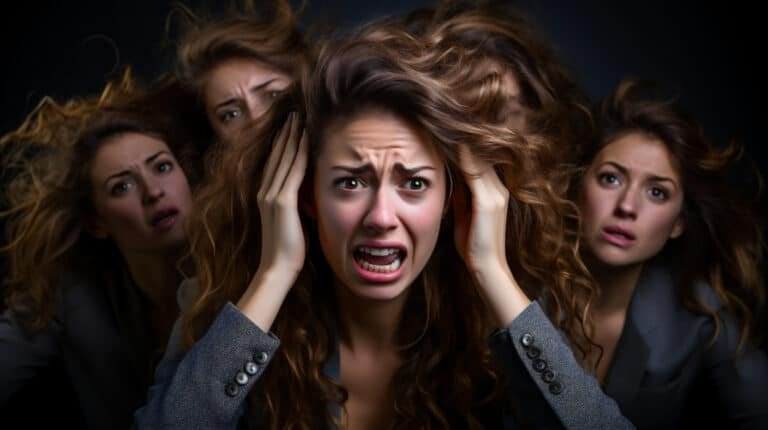
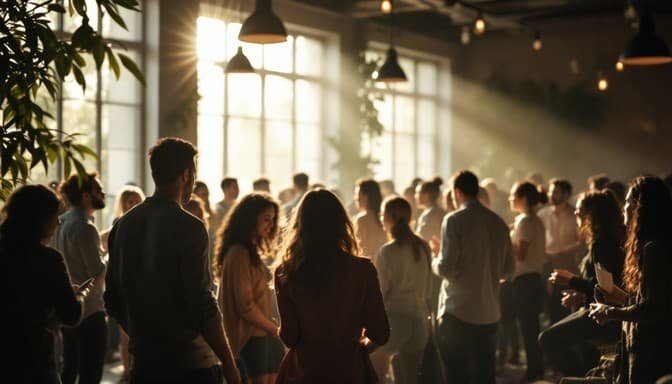
You’re about to walk into a party, a meeting, or a first date. Your heart accelerates. 💓 Your mind races through imagined scenarios — what if you say something stupid, what if people judge you, what if everyone notices how nervous you are? Maybe you’ve already rehearsed the interaction twenty times, or maybe you’ve already found an excuse not to go at all.
This is social anxiety — and it is far more common, more debilitating, and more treatable than most people realize.
Social anxiety disorder (SAD) is the third most common mental health condition in the world, affecting an estimated 12.1% of Americans at some point in their lifetime. Yet it remains one of the most underdiagnosed and undertreated — partly because it so often masquerades as shyness or introversion, and partly because the avoidance behaviors it generates are quietly effective at preventing the feared situations while ensuring the anxiety never resolves. 😔
Then came COVID-19 — and something significant shifted. 🦠 Millions of people who had been managing their social anxiety reasonably well found their symptoms dramatically worsened by two years of enforced social isolation, remote work, and a world that suddenly validated staying home. Others who had never identified as socially anxious discovered, when social life gradually resumed, that they had lost social confidence they didn’t realize they’d had.
Understanding what social anxiety actually is, why the pandemic supercharged it for so many, and what genuinely works to overcome it — that’s what this article is about. 🎯
🎯 What You’ll Learn
- 🔍 What social anxiety disorder actually is — and what it isn’t
- 🧠 The biology and neuroscience behind social fear
- 🦠 How COVID-19 and social isolation changed our social brains
- 🤔 The difference between social anxiety and introversion
- ✅ Evidence-based treatments that actually work, ranked by evidence
- 🌿 Natural and lifestyle approaches that complement formal treatment
- 🛠️ Practical strategies you can start using today
🔍 What Social Anxiety Disorder Actually Is
Social anxiety disorder is not just shyness. It’s not introversion. It’s not being “bad at socializing.” It is a clinical anxiety disorder characterized by an intense, persistent fear of social or performance situations in which the person believes they may be scrutinized, judged, humiliated, or embarrassed by others. 😰
The DSM-5 criteria require that this fear is out of proportion to the actual threat, that the feared situations are avoided or endured with intense distress, and that the impairment is significant — affecting work, relationships, education, or daily functioning.
Critically, people with social anxiety engage in a predictable cycle that perpetuates the disorder:
- 😟 Anticipatory anxiety: Dreading upcoming social situations, often days in advance
- 😰 In-situation anxiety: Hypervigilance, self-monitoring, physical symptoms (blushing, sweating, trembling), mental blanking
- 🔁 Post-event processing: Replaying the interaction afterward, fixating on perceived mistakes
- 🚪 Avoidance: Declining invitations, not speaking in meetings, alcohol use as social lubricant
- ⬇️ Short-term relief, long-term worsening: Avoidance provides immediate relief but prevents the disconfirmatory experiences that would naturally reduce fear
🧠 The Neuroscience: What’s Happening in the Socially Anxious Brain
Social anxiety has measurable, consistent neurobiological signatures. Understanding them helps demystify the experience and points toward effective interventions. 🔬
⚡ Amygdala Hyperreactivity
The amygdala — the brain’s threat-detection and fear-processing center — is consistently hyperactive in people with social anxiety. Neuroimaging studies show that socially anxious individuals show greater amygdala activation in response to neutral or ambiguous faces than non-anxious controls — essentially seeing threat where none exists. 👁️
🧩 Prefrontal Cortex Underregulation
Under normal conditions, the prefrontal cortex (PFC) exerts inhibitory control over the amygdala, providing the “it’s okay, this isn’t actually dangerous” signal that calms fear responses. In social anxiety, this top-down regulation is impaired. The PFC cannot adequately dampen the amygdala’s alarm — leaving the person flooded with fear signals their rational mind knows are disproportionate, but cannot override. 😞
💭 Default Mode Network Overdrive
People with social anxiety show excessive activity in the default mode network (DMN) — particularly regions associated with self-referential thought. This manifests as the constant self-monitoring during social interactions: Am I being boring? Did that come out wrong? Are they judging me? This internal focus simultaneously impairs social performance and generates distorted, negative self-assessments. 🔄
📊 The Role of Cortisol and the HPA Axis
Social anxiety is associated with HPA axis dysregulation and elevated cortisol responses to social evaluative threat. People with SAD have exaggerated cortisol responses to public speaking tasks — larger in magnitude and slower to return to baseline — suggesting a more reactive and less resilient stress response system. 📈
🦠 COVID-19 and the Social Anxiety Epidemic
The COVID-19 pandemic was, among many other things, a massive, involuntary social anxiety experiment — and its effects on how people feel in social situations have been profound and lasting.
🏠 The Isolation Effect
From early 2020 through 2022, billions of people experienced sustained social isolation — reduced in-person contact, remote work, school closures, and social distancing mandates. For people with pre-existing social anxiety, this period provided extended relief from feared situations, but at a cost: the avoidance behaviors that maintain social anxiety were being reinforced on a global scale. 🌍
The brain responds to extended social deprivation by recalibrating its social threat-detection systems. Human neuroimaging research following the pandemic documented heightened amygdala reactivity to social stimuli and increased social anxiety scores across general population samples. 🧠
💬 Losing Social Fluency
Social confidence is, in part, a skill — and like all skills, it degrades without practice. 📉 During the pandemic, millions of people lost access to the low-stakes social interactions (casual workplace conversations, running into neighbors, small talk at coffee shops) that maintain social ease.
When restrictions lifted, many found that conversational flow felt awkward, eye contact was harder to sustain, and situations that had previously been comfortable now triggered anxiety symptoms. Terms like “social battery drain,” “re-entry anxiety,” and “pandemic social anxiety” entered popular discourse. Mental health professionals reported significant increases in patients presenting with new or worsened social anxiety from 2021 onward. 📊
📱 The Screen-Mediated Social Norm Shift
The pandemic accelerated a pre-existing shift toward digital-first social interaction. 💻 Video calls, text-based communication, and social media became the primary channels for human connection — and many found this mode less anxiety-provoking than in-person interaction. The ability to curate your appearance, draft and edit your words, and interact without physical immediacy removed many triggers that make real-world interaction anxiety-provoking.
The problem: curated, low-risk digital interaction does not provide the exposure experiences that reduce social anxiety. In fact, it may reinforce the belief that real-world social interaction is comparatively threatening. 🚨
🌐 The Long-Term Mental Health Legacy
Population-level mental health surveys conducted between 2020 and 2024 consistently documented elevated rates of anxiety disorders, with social anxiety showing some of the sharpest increases — particularly among young adults aged 18–25 who experienced their critical social development years during the pandemic’s restrictions. 👥 Research published in Lancet Psychiatry estimated that the pandemic generated an additional 76 million cases of anxiety disorders globally — many of which have not resolved despite the lifting of restrictions.
🤔 Social Anxiety vs. Introversion: An Important Distinction
One of the most common misunderstandings about social anxiety is its conflation with introversion. They are not the same. 🚫
🧩 Introversion is a personality trait characterized by preference for lower-stimulation environments and a tendency to recharge through solitude. Introverts may prefer smaller gatherings to large parties — but they do not experience significant fear or distress in social situations.
😰 Social anxiety is characterized by fear — specifically, fear of negative evaluation. A person with social anxiety wants to connect with others (often intensely) but is blocked from doing so by fear and avoidance. The distress is not about finding social interaction draining; it’s about dreading it.
💡 Many introverts are not socially anxious. Many socially anxious people are actually extroverted by temperament — craving social connection but blocked from it by fear. Introversion doesn’t require treatment, but social anxiety that impairs your life does.
✅ Evidence-Based Treatments That Actually Work
🏆 1. Cognitive Behavioral Therapy (CBT) — The Gold Standard
CBT is the most extensively researched and most effective treatment for social anxiety disorder. Meta-analyses consistently show response rates of 60–80% in properly conducted CBT, with effects that are durable and often improve further after treatment ends. 📈
CBT for social anxiety addresses the disorder through several interlocking components:
- 🧩 Cognitive restructuring: Challenging distorted beliefs — catastrophizing, mind-reading, and fortune-telling
- 🚪 Behavioral exposure: Gradually and systematically confronting feared social situations
- 👁️ Attention retraining: Shifting focus from internal self-monitoring to external engagement
- 📹 Video feedback: Watching recordings of yourself typically reveals a large gap between how anxious you feel and how anxious you actually appear
🌿 2. Acceptance and Commitment Therapy (ACT)
ACT focuses on changing your relationship to anxious thoughts — accepting their presence without being controlled by them, and committing to value-driven behavior despite anxiety. Research shows ACT is as effective as CBT for social anxiety in many studies. 💪
💊 3. Medication
SSRIs (particularly sertraline, paroxetine, and escitalopram) are FDA-approved for social anxiety disorder and show response rates of 40–60% in clinical trials. Beta-blockers (propranolol) address performance anxiety’s physical symptoms — heart racing, trembling, blushing — without affecting cognition. ⚠️ Benzodiazepines provide short-term relief but worsen long-term outcomes through dependence and the reinforcement of avoidance.
🎯 4. Exposure Therapy
Exposure — deliberately and repeatedly confronting feared social situations without escape — is the single most powerful component of anxiety treatment. The mechanism is inhibitory learning: your brain forms a new association (this situation is manageable) that competes with the old one (this situation is dangerous). 🔄 Effective exposure is gradual, planned, and repeated.
🌿 Natural and Lifestyle Approaches
🏃 Exercise
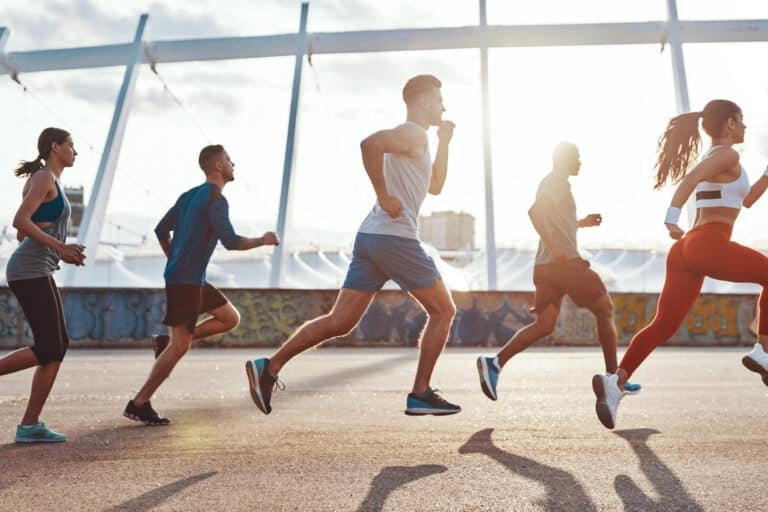
Regular aerobic exercise is among the most evidence-backed natural anxiolytics available. Research shows 30 minutes of moderate-intensity exercise 3–5 times weekly reduces social anxiety symptoms comparably to low-dose medication in some studies — through BDNF increases, HPA axis recalibration, serotonin and dopamine regulation. 💪
❄️🔥 Cold Therapy and Sauna
Both cold water immersion and infrared sauna therapy address the biological underpinnings of social anxiety — HPA axis dysregulation, amygdala hyperreactivity, and low serotonin. Cold therapy’s “stress inoculation” effect is particularly relevant: practicing tolerance of acute, controllable discomfort builds the same nervous system resilience needed to tolerate social anxiety without avoidance.
🫁 Vagus Nerve Activation
The vagus nerve is the primary conduit of the parasympathetic nervous system — the brake on the anxiety response. Social anxiety is associated with low vagal tone (low HRV). Practices that activate the vagus nerve — diaphragmatic breathing, humming, cold water on the face, gargling — provide real-time anxiety reduction and build long-term parasympathetic resilience. 🕊️
💊 Magnesium Glycinate
Magnesium deficiency directly worsens anxiety symptoms — magnesium regulates NMDA glutamate receptors and GABA pathways central to anxiety processing. Magnesium glycinate (400–500mg nightly) is among the most evidence-backed natural supplements for anxiety, with particular relevance to social anxiety’s physical symptoms (muscle tension, heart racing, trembling). 💤
😴 Sleep Optimization
Sleep deprivation dramatically amplifies amygdala reactivity — the core neurobiological problem in social anxiety. Research shows a single night of poor sleep produces a 60% increase in amygdala reactivity to negative stimuli. Prioritizing sleep quality directly addresses social anxiety’s neurobiological substrate. 🌙
🍺 Reducing Alcohol
⚠️ Alcohol is the most commonly self-medicated substance for social anxiety — providing short-term symptom relief while worsening long-term outcomes through alcohol-dependency development, anxiety rebound, and the removal of natural exposure experiences. Regular alcohol use for social situations prevents the nervous system from ever learning that it can manage those situations unmedicated.
🛠️ Practical Strategies to Start Today
📋 Build a social exposure hierarchy. List social situations you currently avoid, from least anxiety-provoking (making eye contact with a cashier) to most (giving a presentation at work). Begin systematic, regular exposure starting at the bottom — not the top.
👁️ Practice attending to others, not yourself. In social situations, deliberately redirect your attention outward: What is this person saying? What are they interested in? This attention shift interrupts the self-monitoring loop and simultaneously makes you a more engaging conversationalist.
⏱️ Challenge the post-event processing habit. When you find yourself replaying a social interaction and mining it for failures, set a timer for 5 minutes of analysis — then deliberately redirect. Post-event processing does not protect you; it just extends the anxiety.
🗓️ Seek out low-stakes social repetition. A regular class, a running group, a volunteer activity, a standing coffee date. Frequency and predictability reduce the novelty that drives anxiety spikes.
🔍 Consider a therapist who specializes in SAD. CBT for social anxiety is a specific therapeutic approach. When seeking help, ask directly about experience with social anxiety disorder and the use of behavioral exposure techniques.
💙 A Note on Post-Pandemic Social Rebuilding
If you’ve found social interaction harder since COVID 🦠 — if conversations feel rustier, social energy drains faster, and situations that used to be easy now feel anxiety-provoking — you are not alone, and you are not permanently damaged.
What you’re experiencing is the predictable neurobiological consequence of extended social deprivation, not a character flaw or a sign of irreversible change. 🧠
Social fluency is a skill that atrophied during an extraordinary period. Like muscle that has weakened from disuse, it responds to progressive loading — gradual, consistent social exposure that rebuilds both the neural circuits underlying social ease and the psychological confidence that comes from accumulating evidence that you can do this. 💪
Be patient with yourself. Start where you are, not where you were. 🌱 And recognize that the discomfort of social reentry — the awkwardness, the fatigue, the occasional anxiety — is not a warning sign. It is the normal texture of rebuilding something that was interrupted.
✅ The Bottom Line
Social anxiety disorder is one of the most common, most impairing, and most treatable mental health conditions — yet it remains chronically undertreated because the avoidance it generates quietly dismantles social connection, career advancement, and quality of life. 😔
The pandemic supercharged social anxiety for millions 🦠 through social isolation, loss of social fluency, and the normalization of avoidance — leaving a legacy of elevated social anxiety that population mental health systems are still grappling with. If your social anxiety worsened during or after COVID, there are clear neurobiological reasons why, and clear evidence-based pathways to recovery. 🌟
CBT remains the gold standard 🏆. Exposure is the active ingredient 💊. Natural approaches — exercise 🏃, sleep 😴, cold therapy ❄️, magnesium 💊 — address the biological substrate. And most importantly: avoidance is not a solution. Every step toward the feared situation — however small, however imperfect — is neurobiological medicine. 🧬
🎁 Want a personalized natural anxiety relief plan? Get our free guide covering the evidence-based tools, supplements, and daily habits that actually move the needle. Download it free here →
❓ Frequently Asked Questions
What is social anxiety disorder?
Social anxiety disorder (SAD) is a diagnosable anxiety disorder characterized by intense fear of social situations where one might be scrutinized, judged, or embarrassed. It goes beyond normal shyness — the fear is disproportionate to the actual threat and significantly interferes with daily life, relationships, and work.
How common is social anxiety disorder?
Social anxiety disorder is the third most common mental health condition globally, affecting approximately 7–13% of people at some point in their lives. It typically begins in early adolescence and is more commonly diagnosed in women, though men are also significantly affected.
What is the best treatment for social anxiety disorder?
Cognitive Behavioral Therapy (CBT) with exposure therapy is the gold-standard treatment for social anxiety disorder. SSRIs (particularly escitalopram, sertraline, and paroxetine) are the first-line pharmacological treatments. A combination of CBT and medication often produces the best outcomes for moderate-to-severe SAD.
Can social anxiety be cured naturally?
Social anxiety disorder can be significantly improved with non-pharmacological approaches including CBT, gradual exposure to feared social situations, mindfulness and acceptance-based approaches, exercise, sleep optimization, and nervous system regulation practices. However, severe social anxiety often benefits from professional treatment. ‘Cured’ is rarely the right framing — managed effectively is more accurate.
What triggers social anxiety disorder?
Social anxiety is typically triggered by situations involving evaluation or scrutiny: public speaking, meeting new people, eating in public, being observed while performing, or any context where embarrassment or negative judgment feels possible. Over time, anticipatory anxiety about upcoming social events can become as debilitating as the events themselves.
Looking for something specific?
Search all our science-backed articles on natural anxiety relief.