⚠️ Medical Disclaimer: This article is for informational purposes only and does not constitute medical advice. Cold exposure carries risks for some individuals — consult a healthcare provider before beginning, especially if you have cardiovascular conditions.
Cold water exposure has become one of the most discussed biohacking practices of the past decade. But beyond the cultural momentum, there is a genuine and growing evidence base for cold exposure’s effects on the nervous system — including direct vagus nerve activation, HRV improvement, and meaningful reductions in anxiety and stress.
How Cold Exposure Activates the Vagus Nerve
The Mammalian Dive Reflex
When cold water contacts the face — particularly the skin around the eyes, cheeks, and nose — it triggers the mammalian dive reflex: a hardwired autonomic response that rapidly reduces heart rate, constricts blood vessels in the extremities, and redirects blood to vital organs. This reflex is mediated primarily by the vagus nerve and produces one of the strongest acute parasympathetic activations available through non-invasive means.
The dive reflex is so powerful that it is used clinically as a vagal manoeuvre for terminating certain supraventricular tachycardias — a testament to its direct vagal mechanism. Even brief facial cold water exposure (15–30 seconds) produces measurable heart rate reduction through this pathway.
Afferent Cold Receptor Signalling
Cold receptors (primarily TRPM8 channels) in the skin send afferent signals to the brainstem via the trigeminal nerve (for the face) and dorsal horn (for the body). These signals reach the nucleus tractus solitarius and influence vagal output — contributing to the parasympathetic shift. Research published in PLOS ONE (2014) documented the neural pathway from cold receptor activation to autonomic nervous system modulation.
What the Research Shows
HRV and Autonomic Effects
A 2019 study in the Journal of Human Kinetics found that cold water immersion (14°C for 15 minutes) produced significantly greater post-immersion HRV increases compared to thermoneutral immersion — with parasympathetic indices remaining elevated for hours after the cold exposure. This sustained HRV improvement suggests cold exposure creates a lasting shift in autonomic balance, not just an acute response.
Norepinephrine and Mood
Cold exposure produces a dose-dependent increase in norepinephrine — up to 300% with cold water immersion at 14°C. Research by Siems et al. published in the European Journal of Applied Physiology (2000) documented this catecholamine response. While norepinephrine is part of the stress response, the controlled, voluntary context of cold exposure means this surge is experienced differently — associated with improved mood, alertness, and sense of accomplishment rather than anxiety.
Anti-Inflammatory Effects
Cold exposure reduces systemic inflammation — a key driver of anxiety. Research published in PLOS ONE (2014) found that regular cold water swimming significantly reduced inflammatory markers compared to controls. These anti-inflammatory effects may contribute to cold exposure’s mental health benefits through the inflammation-anxiety pathway. See our inflammation and anxiety guide.
Depression and Anxiety — Clinical Evidence
A 2008 study in Medical Hypotheses proposed and supported the use of cold hydrotherapy for depression — suggesting that cold showers at 20°C for 2–3 minutes once or twice daily may be as effective as prescription antidepressants through the massive peripheral nerve activation and catecholamine release they produce. While this evidence is preliminary, the proposed mechanisms are physiologically coherent and consistent with the broader cold exposure literature.
The Wim Hof Method: What the Research Actually Shows
The Wim Hof Method — combining cold exposure with specific breathing techniques and meditation — has attracted significant research attention. A study published in PNAS (2014) found that practitioners of the method could voluntarily influence their immune response to endotoxin administration — reducing inflammatory cytokine levels and symptoms compared to untrained controls. Whether this was due to cold exposure, breathing, or meditation specifically remains unclear — but the findings were landmark in demonstrating voluntary autonomic regulation.
How to Use Cold Exposure Practically
Cold Showers (Most Accessible)
- Start with 30 seconds of cold water at the end of a normal shower
- Gradually extend to 2–3 minutes over weeks
- Focus cold water on the face, neck, and chest for maximum vagal activation
- Practice slow breathing during the cold — the combination amplifies both effects
- Aim for daily practice — benefits accumulate with consistency
Cold Water Immersion
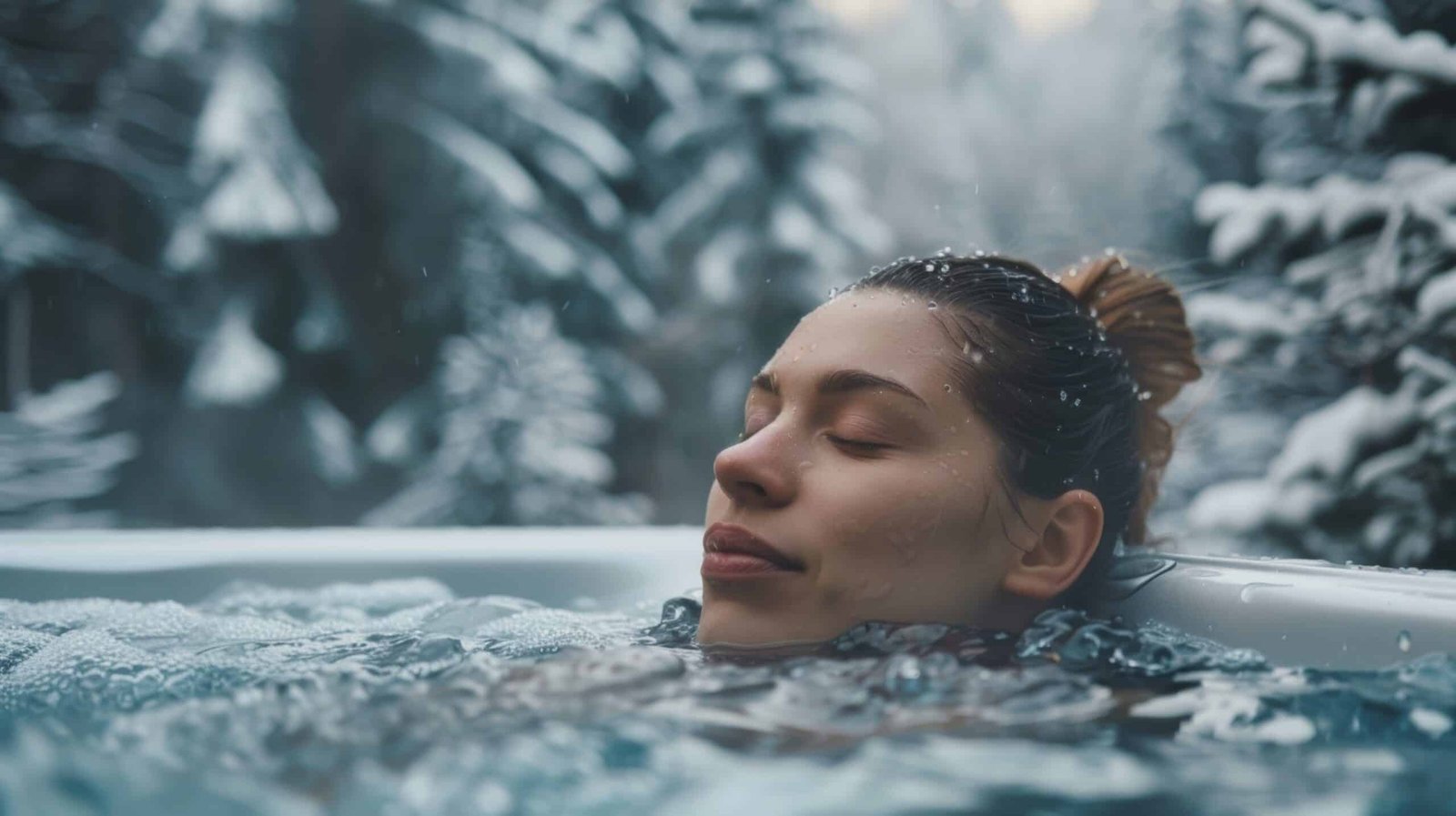
- 15°C (59°F) water is the range used in most research
- Start with 2–5 minutes; gradually build to 10–15 minutes
- Morning immersion appears to produce the strongest mood and energy effects
- Outdoor swimming in natural water (rivers, lakes, sea) adds the benefits of nature exposure and grounding
Facial Cold Water (Fastest Vagal Activation)
- Fill a bowl with cold water and ice
- Submerge face for 15–30 seconds — or splash cold water repeatedly
- Particularly effective during panic or acute anxiety — the dive reflex provides rapid heart rate reduction
Safety Considerations
- Cardiovascular conditions: Cold exposure produces acute blood pressure and heart rate changes — those with cardiac conditions, arrhythmias, or Raynaud’s disease should consult their doctor first
- Cold shock response: Sudden full-body immersion in very cold water can trigger gasping, hyperventilation, and cardiac stress — always enter cold water gradually
- Pregnancy: Avoid prolonged cold immersion during pregnancy
- Never alone: Cold water immersion should never be done alone, particularly in open water
The Bottom Line
Cold water exposure is one of the most direct and accessible methods for activating the vagus nerve and shifting the autonomic nervous system toward parasympathetic dominance. The dive reflex, cold receptor signalling, norepinephrine release, and anti-inflammatory effects all contribute to its anxiety-reducing properties. Starting with a daily 30-second cold shower finish costs nothing and requires no equipment — and the evidence suggests meaningful benefits with consistent practice.
💡 Key research: The most rigorous study on cold exposure and autonomic function is the 2019 Journal of Human Kinetics study — directly measuring HRV before and after cold water immersion and confirming significant parasympathetic improvements.
❓ Frequently Asked Questions
Does cold exposure stimulate the vagus nerve?
Yes. Cold water on the face and neck activates the dive reflex, which directly stimulates the vagus nerve and produces rapid parasympathetic activation. This slows heart rate and lowers sympathetic nervous system tone. Even splashing cold water on your face can produce measurable vagal effects.
How cold does water need to be to stimulate the vagus nerve?
Water does not need to be extremely cold to activate the dive reflex and vagal response. Water around 60–65°F (15–18°C) is sufficient for facial immersion or cold splashing. Cold showers at similar temperatures can produce benefits. Extreme cold (ice baths) is not necessary for vagal stimulation.
Can cold showers reduce anxiety?
Cold showers can reduce anxiety through several mechanisms: activating the vagus nerve, triggering norepinephrine release (which improves mood and alertness), and reducing inflammation. Research suggests regular cold exposure may improve stress resilience over time. Start with 30-second cold endings to warm showers.
How often should I do cold exposure for anxiety?
Even brief daily cold exposure — such as a cold shower ending or facial cold water immersion — can produce cumulative nervous system benefits. Most research on anxiety and cold exposure involves protocols of 2–3 minutes daily. Consistency matters more than intensity or duration.
What are the risks of cold exposure for anxiety?
Cold exposure is generally safe for healthy adults. Avoid full immersion if you have cardiovascular disease, Raynaud’s phenomenon, cold urticaria, or are pregnant without medical clearance. The shock response of very cold water can temporarily increase heart rate — start gradually and always prioritize safety.
Looking for something specific?
Search all our science-backed articles on natural anxiety relief.