By the StopAnxiety.org Research Team | Last Updated: March 2026 | 13 min read
Omega-3 fatty acids are among the most researched nutrients in all of nutritional science. The evidence supporting their role in brain health, inflammation reduction, and mood regulation is genuinely remarkable — spanning hundreds of clinical trials and decades of research across multiple continents.
And yet millions of people taking omega-3 supplements every day are getting little to no benefit.
Not because omega-3s don’t work. But because the supplement they’re swallowing is rancid.
This article covers two equally important topics: the science of how EPA and DHA reduce anxiety at the neurological level, and the critical quality problem in the omega-3 supplement industry that most brands don’t want you to know about — and exactly what to look for to make sure you’re actually getting what you paid for.
What You’ll Learn
- What EPA and DHA are and why they matter for anxiety
- The specific mechanisms by which omega-3s reduce anxiety
- What the latest 2024-2025 research shows — including optimal dosing
- The rancidity crisis — why up to 68% of fish oil supplements may be worthless
- How to test your fish oil and what to look for on the label
- The best sources of omega-3s — food first, then supplements
- How omega-3s fit into your complete anxiety protocol
🐟 What Are EPA and DHA — And Why Does Your Anxious Brain Need Them?
Omega-3 fatty acids are a family of essential polyunsaturated fats — essential because your body cannot synthesize them. You must obtain them from your diet. The two most critical for brain health and anxiety are:
EPA (eicosapentaenoic acid) — primarily anti-inflammatory. EPA is the omega-3 most directly linked to mood regulation and anxiety reduction. It modulates the HPA axis, reduces neuroinflammation, and influences serotonin and dopamine signaling.
DHA (docosahexaenoic acid) — primarily structural. DHA is the dominant fat in the brain, comprising approximately 90% of the omega-3s in brain tissue. It maintains neuronal membrane fluidity and integrity, supports signal transmission between neurons, and is essential for healthy brain function at every level.
The physiological functions of EPA and DHA differ: EPA mainly plays an anti-inflammatory role related to mood, while DHA mainly maintains cell membrane integrity and fluidity — and low consumption of DHA impairs an individual’s response to sensory stimuli, making them less calm and stable, with even a small decrement in DHA levels in the brain capable of causing brain malfunction. Frontiers
The modern Western diet is critically deficient in both. Deficiency or an imbalanced omega-6/omega-3 ratio, typical of Western diets, has been associated with an increased risk of mood disorders including major depression and bipolar disorder. MDPI The typical Western diet delivers an omega-6 to omega-3 ratio of approximately 15:1 to 20:1 — far from the 4:1 or lower ratio associated with optimal mental health outcomes.
💡 The key insight: Your brain is approximately 60% fat. The quality of fat you consume directly determines the structural integrity and functional capacity of your neural architecture. Chronic omega-3 deficiency is not a minor nutritional gap — it is a fundamental impairment of your brain’s physical infrastructure.
🔬 How Omega-3s Reduce Anxiety: 5 Mechanisms
🔵 1. Neuroinflammation Reduction
Neuroinflammation is one of the most significant and underappreciated drivers of anxiety disorders. EPA and DHA are the raw materials for the body’s most potent anti-inflammatory compounds — resolvins and protectins — which directly resolve inflammation in neural tissue. By reducing levels of pro-inflammatory cytokines (IL-6, TNF-α, IL-1β) in the brain, omega-3s address one of anxiety’s most fundamental biological roots.
🔵 2. HPA Axis Regulation
Both EPA and DHA provided as phospholipids alleviate depression-like and anxiety-like behaviors through mechanisms related to beneficial effects on immune regulation, neuroinflammation, the hypothalamic-pituitary-adrenal axis, and monoamine systems. medRxiv By normalizing HPA axis activity, omega-3s help regulate the cortisol response that drives chronic anxiety — working through a complementary but distinct mechanism to ashwagandha and phosphatidylserine.
🔵 3. Serotonin and Dopamine Modulation
Omega-3s are essential and critical for mediating signal transduction and affecting the release and function of serotonin and dopamine in the nervous system. Frontiers EPA in particular influences the sensitivity of serotonin receptors in the brain, making existing serotonin more effective — a mechanism that complements the serotonin-supporting effects of L-theanine and gut microbiome optimization.
🔵 4. Neuronal Membrane Optimization
DHA is incorporated directly into neuronal cell membranes, where it determines membrane fluidity and the efficiency of signal transmission between neurons. When membranes are DHA-rich, neurotransmitter receptors function optimally, ion channels open and close correctly, and the brain’s electrical signaling is clean and efficient. A DHA-depleted brain is literally running on inferior hardware.
🔵 5. Gut-Brain Axis Support
As covered in our Gut-Brain Axis article, the microbiome-gut-brain connection is central to anxiety. Omega-3s support this axis from both directions: diets rich in omega-3 fatty acids can enhance beneficial microbial communities, bolster gut barrier function, and decrease levels of circulating LPS, thus mitigating systemic inflammation PubMed Central — directly reducing the neuroinflammatory burden that drives anxiety.
📊 What the 2024-2025 Research Shows
The clinical evidence for omega-3s and anxiety has become significantly more refined:
A systematic review and dose-response meta-analysis of randomized controlled trials found that the greatest improvement in anxiety symptoms occurred at 2g per day, where a moderate improvement in anxiety symptoms was observed — with effects consistent across multiple subgroup analyses. PubMed Central
A meta-analysis of ten RCTs comprising 1,426 participants revealed statistically significant reduction in depression and anxiety severity with EPA-enriched interventions at proportions of 60% or more of total EPA plus DHA, and EPA doses between 1g and 2g per day. PubMed
A 2025 randomized double-blind placebo-controlled trial confirmed that EPA-dominant formulations are particularly effective for mood-related outcomes compared with DHA-dominant preparations — and that effects are stronger in those with clinical anxiety conditions and lower baseline omega-3 status, which is associated with stronger treatment responses. ScienceDirect
A large population study found that higher DHA levels were associated with a 19-22% lower risk of anxiety history, supporting the protective role of adequate omega-3 status for anxiety disorders. medRxiv
The key takeaway from the research:
- EPA is the primary anxiety-fighting omega-3 — look for supplements with EPA at 60% or more of total EPA + DHA
- Optimal dose for anxiety: 1–2g EPA per day — higher doses do not show greater benefit
- Effects are strongest in people with existing anxiety, inflammation, or low baseline omega-3 levels
- Duration: Meaningful effects typically emerge at 8–12 weeks of consistent supplementation
⚠️ The Rancidity Crisis: Why Most Fish Oil Supplements May Be Worthless
Here is what the supplement industry doesn’t want you to know.
Researchers at George Washington University found that 45% of omega-3 supplements tested positive for rancidity — with rancidity measured by the amount of oxidation of the oil in the supplement, and as supplements become more oxidized, the nutritional benefits delivered to the consumer are reduced. School of Medicine and Health Sciences
Even more alarming: 68% of flavored omega-3 supplements exceeded the TOTOX upper limit set by the Global Organization for EPA and DHA voluntary monograph standard, with 65% of flavored supplements failing the peroxide value upper limit. PubMed
The concern is that a majority of flavored omega-3 supplements sold in the US are actually rancid, their acrid taste masked by artificial flavorings — with researchers noting that if you randomly buy a supplement off the market, the odds that you’re going to buy one that is rancid and thus not effective are pretty high. Technology Networks
Why Does This Happen?
Omega-3 fatty acids are extraordinarily vulnerable to oxidation. When EPA and DHA molecules are exposed to oxygen, heat, or light, they undergo a chemical reaction that destroys their structure and produces harmful oxidation byproducts — aldehydes and peroxides that may actually increase oxidative stress rather than reduce it.
The process from ocean catch through to the final consumer product creates significant oxidation risk — the major sources of fish oil are small pelagic fish caught off the coasts of Peru and Chile, processed on fishing vessels, stored in large tanks before being shipped for refining — a process that typically involves repeated heating at high temperatures, with the last stage being deodorization to remove the undesirable taste and rancidity of oxidized oils. PubMed Central
In other words: by the time most fish oil capsules reach a store shelf, they may already be significantly oxidized. Months of shelf time and improper storage compound the problem further.
How Flavoring Masks the Problem
Fresh, high-quality fish oil should have virtually no fishy smell or taste. If your fish oil burps come back tasting and smelling strongly of fish, that is a direct signal that your supplement is oxidized.
The flavoring problem is significant: artificial lemon, orange, or other flavors are routinely added to fish oil supplements specifically to mask the rancid taste — making it impossible for consumers to detect the problem through smell or taste alone. Flavoring can mask those aspects of rancidity but also makes it difficult for researchers to determine the level of oxidation and the quality of the supplement. School of Medicine and Health Sciences
The Three Measures of Freshness
Quality omega-3 testing uses three oxidation markers:
Peroxide Value (PV) — measures primary oxidation (fresh damage). Should be ≤5. Above 5 indicates meaningful oxidation has begun.
Anisidine Value (AV) — measures secondary oxidation (advanced rancidity, the aldehydes that produce harmful compounds). Should be ≤20.
TOTOX Value (= 2×PV + AV) — the combined freshness index. The TOTOX value depicts the oxidation marker of an omega-3 supplement — the lower the better, with under 5-10 considered excellent and the GOED industry standard setting the maximum at 26. MVS Pharma
✅ How to Choose a Quality Omega-3 Supplement
What to Look For
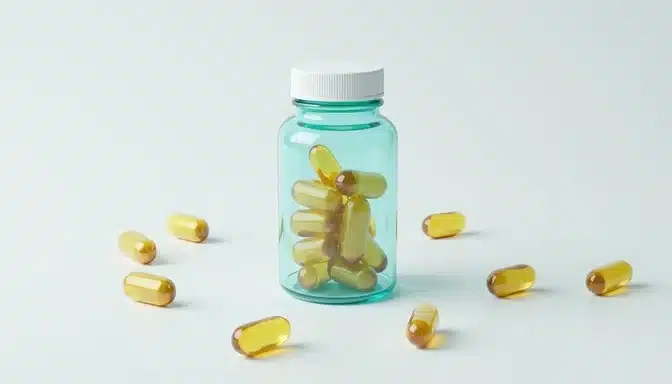
Form matters — choose triglyceride (TG) or re-esterified triglyceride (rTG): Most cheap fish oil supplements use an ethyl ester (EE) form — a synthetic, semi-processed form that is less bioavailable and less stable. Re-esterified triglyceride (rTG) form offers both superior stability and superior absorption compared to ethyl ester oils. MVS Pharma Look for “triglyceride form” on the label.
Third-party testing and certification: Never rely on a brand’s own quality claims. Look for independent verification from:
- IFOS (International Fish Oil Standards) — 5-star rating is the gold standard
- USP Verified — independent verification of purity and potency
- ConsumerLab Approved — independent testing organization
- GOED member — commitment to voluntary quality standards
- Certificate of Analysis (COA) — available by lot number on the brand’s website
Packaging that protects against oxidation:
- Opaque, light-blocking bottles
- Nitrogen-flushed capsules (oxygen removed during encapsulation)
- Individually sealed blister packs for maximum protection
- Avoid clear plastic bottles stored in warm, bright conditions
What to avoid:
- Heavily flavored supplements — flavoring masks rancidity and interferes with testing
- Supplements stored at room temperature for extended periods
- Bargain brands with no third-party certification
- Products without a Certificate of Analysis available
Brands That Consistently Pass Independent Testing
Based on ConsumerLab testing, IFOS certification, and independent reviews, these brands have consistently demonstrated freshness and quality:
Nordic Naturals Ultimate Omega is the top recommended omega-3 brand — third-party tested, Friend of the Sea certified, and providing a Certificate of Analysis for all products on its website. Healthline Uses rTG form. Widely considered the industry benchmark.
Carlson The Very Finest Fish Oil — consistently approved through ConsumerLab’s voluntary Quality Certification Program ConsumerLab.com, regularly tested by an independent FDA-registered laboratory. Available in liquid form which can be tested for freshness at home.
Wiley’s Finest Wild Alaskan Fish Oil — sustainably sourced from wild Alaskan Pollock, IFOS 5-star rated, MSC certified. Strong freshness track record.
Nutrigold Triple Strength — passed heavy metal screening in 2025 testing, strong third-party certification.
💡 The freshness test: If you already have fish oil at home, open a capsule and smell it. Fresh omega-3 oil should smell mild, clean, and slightly oceanic — like the sea. A strong, unpleasant, “fishy gone bad” smell indicates significant oxidation. Discard it and replace with a verified brand.
🐠 Food Sources First: The Best Dietary Omega-3s
Whole food omega-3 sources are always preferable to supplements — they come packaged with co-factors, antioxidants, and nutrients that improve absorption and stability:
Best EPA/DHA food sources (highest to lower):
- Sardines — one of the most concentrated omega-3 sources available, canned in water or olive oil, affordable and sustainable
- Wild-caught salmon — sockeye and Alaskan varieties highest in EPA/DHA
- Mackerel — exceptionally high omega-3 content, low mercury
- Herring — underrated, extremely high EPA/DHA, widely available canned
- Anchovies — small size means low mercury, very high omega-3 density
- Oysters — one of the few shellfish with meaningful EPA/DHA content
Plant-based ALA sources (less efficient — ALA must be converted to EPA/DHA):
- Flaxseeds and flaxseed oil
- Chia seeds
- Walnuts
- Hemp seeds
Note that the conversion of ALA to EPA and DHA in the body is inefficient — typically only 5-15% conversion for EPA and even less for DHA. Plant sources alone are insufficient for meaningful brain EPA/DHA support in most people.
Algal oil — the vegan exception. Algae is the original source of EPA and DHA — fish accumulate omega-3s by eating algae. Algal oil supplements bypass the fish entirely, providing direct EPA and DHA in a sustainable, mercury-free form. Quality algal supplements are an excellent option for plant-based eaters.
💊 Dosage and Timing
For anxiety support:
- Target 1–2g of EPA per day — this is the range with the strongest clinical evidence
- Look for a supplement providing at least 60% EPA of total EPA + DHA
- A typical high-quality supplement providing 1,000mg EPA + 500mg DHA per serving is ideal
Timing: Take omega-3s with your largest, fattiest meal of the day — the dietary fat significantly improves absorption and reduces the likelihood of fishy burps.
Duration: Allow 8–12 weeks for meaningful effects on anxiety. Omega-3 incorporation into neuronal membranes is a gradual process. Consistency matters far more than dose.
Know your levels: Consider an OmegaQuant blood spot test — a home test that measures your actual omega-3 index (the percentage of EPA + DHA in your red blood cells). An omega-3 index of 8% or above is considered optimal for brain health. Most Americans test at 4-5%.
🔗 How Omega-3s Connect to Your Full Anxiety Protocol
Omega-3s + Gut-Brain Health Omega-3s directly support the gut microbiome and reduce gut inflammation — making them doubly powerful when combined with a probiotic and prebiotic protocol. See: The Gut-Brain Axis and Anxiety
Omega-3s + Magnesium Glycinate Both address neuroinflammation and HPA axis dysregulation through different mechanisms. Combined they provide comprehensive neurological anti-inflammatory support. See: Magnesium Glycinate for Anxiety
Omega-3s + Ashwagandha Ashwagandha regulates cortisol hormonally. Omega-3s reduce the neuroinflammation that worsens cortisol’s effects on the brain. Together they address anxiety at both the endocrine and neural levels. See: Ashwagandha for Anxiety
Omega-3s + Phosphatidylserine Phosphatidylserine and DHA are both critical structural components of neuronal membranes that work synergistically — PS improves cortisol blunting while DHA optimizes the membrane environment in which PS functions. See: Phosphatidylserine vs Phosphatidylcholine for Anxiety
The Bottom Line
The evidence for EPA and DHA in anxiety reduction is compelling — particularly for EPA at doses of 1-2g daily in formulations where EPA represents at least 60% of total omega-3 content. The mechanisms are well-established: neuroinflammation reduction, HPA axis regulation, serotonin and dopamine optimization, neuronal membrane support, and gut-brain axis enhancement.
But here is what makes this supplement category uniquely tricky: quality is everything. A rancid fish oil capsule does not just fail to help — it may actively harm, generating oxidative stress and inflammatory compounds rather than reducing them. With up to 68% of flavored supplements exceeding acceptable oxidation limits, choosing based on price or convenience is a genuine mistake.
Prioritize food sources first — sardines, wild salmon, mackerel, herring, and anchovies are among the most nutritionally dense and affordable foods available. When supplementing, invest in a verified, third-party tested product in triglyceride form with a published Certificate of Analysis. Test your omega-3 index to know where you stand and track your progress objectively.
Your brain is built from fat. Give it the right kind.
📥 Want our complete natural anxiety toolkit in one free guide? Download 7 Natural Ways to Stop Anxiety — our most comprehensive free resource. → Yes, Send Me the Free Guide
Also on StopAnxiety.org:
- The Gut-Brain Axis and Anxiety
- Magnesium Glycinate for Anxiety
- Ashwagandha for Anxiety
- Phosphatidylserine vs Phosphatidylcholine for Anxiety
- L-Theanine for Anxiety
- PEMF Therapy for Anxiety
⚠️ Medical Disclaimer: This article is for informational purposes only and does not constitute medical advice. Always consult a qualified healthcare provider before starting any herbal supplement, especially if you take medications or have a medical condition. Herbs can interact with prescription drugs.
Looking for something specific?
Search all our science-backed articles on natural anxiety relief.