
⚠️ Medical Disclaimer: This article is for educational purposes only and does not constitute medical advice. No device discussed here is a substitute for professional mental health treatment. Always consult a qualified healthcare provider before using any neurostimulation or wellness device.
When shopping for an anxiety device, one of the first decisions you’ll face is form factor: do you want something you wear continuously throughout the day, or a dedicated handheld or headset device you use in focused sessions? The answer matters more than it might seem — the form factor largely determines how a device fits into your life, how consistently you’ll use it, and what kind of anxiety it’s best suited to address.
⌚ Wearable Anxiety Devices
Wearables are designed for continuous or extended daily wear. They work by either delivering ongoing low-level stimulation throughout the day, or by passively tracking your physiology so you can understand and respond to your anxiety patterns in real time.
✅ Advantages of Wearables
- Always-on intervention or monitoring — they work while you live your life, not just during dedicated sessions
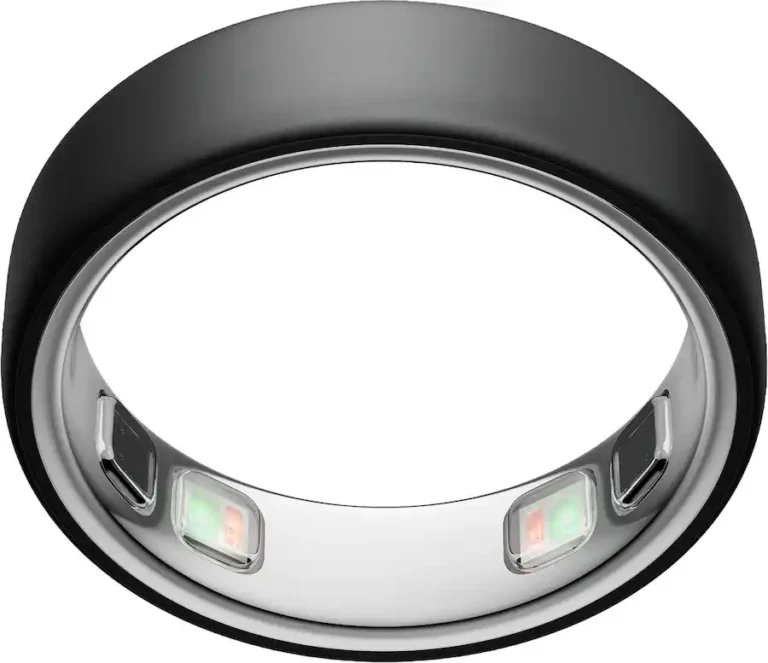
- Catches anxiety early — devices like the Oura Ring and WHOOP can detect physiological stress before you consciously register it, allowing earlier intervention
- Habit formation — continuous wear makes anxiety management a passive habit rather than an active discipline
- Longitudinal data — weeks and months of HRV, sleep, and stress data reveal patterns that single sessions miss
- Discreet — most wearables look like normal jewelry or fitness bands
❌ Disadvantages of Wearables
- Lower intensity per session — continuous low-level stimulation is necessarily gentler than focused session-based intervention
- Data anxiety risk — for health-anxious people, constant biometric monitoring can worsen anxiety rather than reduce it
- Subscription costs — most wearables (Oura, WHOOP, Apollo) require ongoing monthly or annual subscriptions on top of hardware costs
- Battery management — daily charging or battery management adds friction
📱 Best Wearable Anxiety Devices
- Apollo Neuro (4.5/5) — vibration-based VNS worn on wrist or ankle; double-blind RCT evidence for HRV improvement; active calming throughout the day
- Oura Ring 4 (4.8/5) — best-in-class sleep and HRV tracking; 96% PSG accuracy; Stress and Resilience scoring; understanding not intervention
- WHOOP 5.0 (4.2/5) — strain/recovery framework; 14-day battery; best for athletes and physically active people
- Pulsetto (3.7/5) — tVNS neck device; designed for discrete 20-minute sessions but wearable enough for extended use
🖥️ Session-Based Anxiety Devices
Session-based devices are used in dedicated 20–60 minute sessions, typically once or twice daily. They deliver more targeted, higher-intensity intervention than wearables and are generally better suited to treating clinically significant anxiety and depression rather than managing everyday stress.
✅ Advantages of Session-Based Devices
- Higher therapeutic intensity — focused sessions allow stronger, more targeted stimulation than continuous low-level wearables
- Stronger clinical evidence — the most evidence-backed devices (Alpha-Stim, Flow Neuroscience, Fisher Wallace) are all session-based
- Clearer treatment protocol — defined sessions create structure and measurable progress
- No subscription required — most session-based devices are one-time purchases
- No data anxiety risk — you use them, you stop, you don’t obsess over numbers
❌ Disadvantages of Session-Based Devices
- Requires daily discipline — consistent sessions are essential for therapeutic effect; skipping undermines results
- Less convenient — you need to sit down and use them deliberately, which some people find difficult to maintain long-term
- More visible — CES ear clips, EEG headbands, and VNS neck devices are not discreet during use
- Higher upfront cost — FDA-cleared session devices tend to cost more upfront than entry-level wearables
🎧 Best Session-Based Anxiety Devices
- Alpha-Stim (4.8/5) — FDA-cleared CES; 100+ studies; 20-minute daily ear clip sessions; strongest anxiety-specific evidence
- Flow Neuroscience FL-100 (4.9/5) — FDA-approved tDCS; 30-minute sessions; prescription required; best evidence for depression
- Fisher Wallace (4.6/5) — FDA-cleared CES; 20-minute sessions; cleared for anxiety, depression, and insomnia
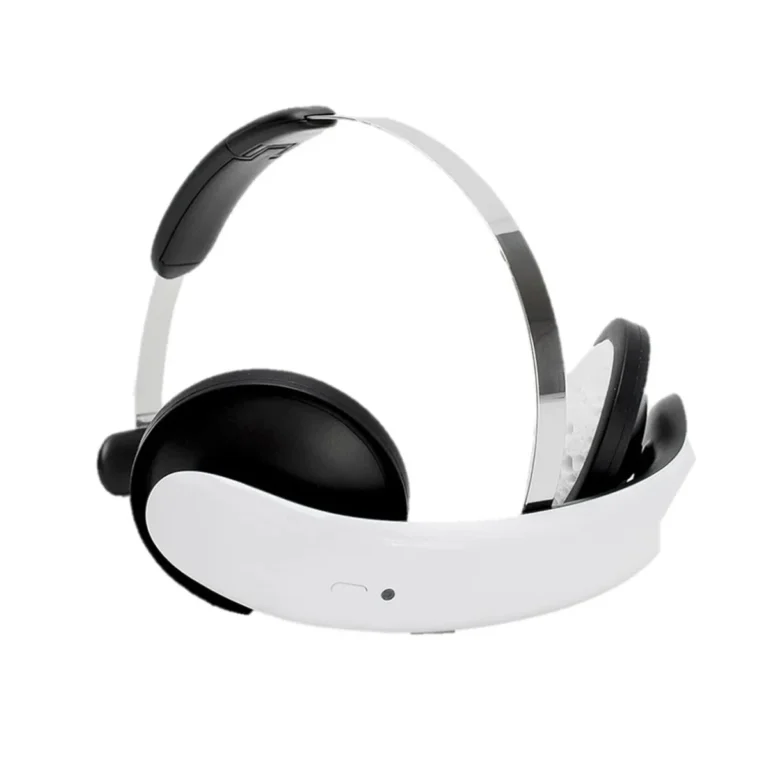
- Muse S Athena (4.3/5) — EEG + fNIRS biofeedback headband; session-based brain training; 200+ research studies
- Nuropod (4.7/5) — auricular VNS; strongest consumer VNS evidence; used in dedicated sessions
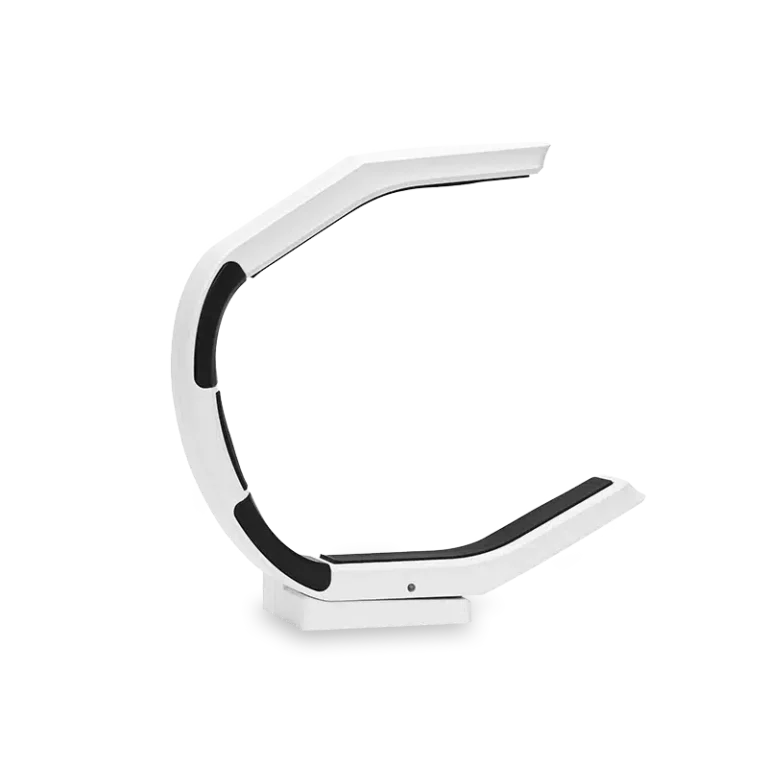
- Sensate (3.9/5) — infrasound VNS via chest stone; relaxation-focused; no controlled trials yet
⚖️ Wearable vs Session-Based: Which Should You Choose?
| If you want to… | Choose |
|---|---|
| Manage everyday stress passively throughout the day | Wearable (Apollo Neuro) |
| Track how anxiety is affecting your body with data | Wearable tracker (Oura Ring) |
| Treat clinically significant anxiety with the strongest evidence | Session-based (Alpha-Stim) |
| Target depression specifically with FDA-approved therapy | Session-based (Flow Neuroscience) |
| Retrain your brain’s stress response long-term | Session-based (Muse S Athena) |
| Activate the vagus nerve for quick calming | Either (Apollo Neuro or Nuropod) |
| Maximum coverage — track and treat | Both (e.g. Oura Ring + Alpha-Stim) |
👉 See all 12 devices with full evidence rankings: Best Anxiety Devices of 2026 — The Complete Side-by-Side Comparison
📚 Also on StopAnxiety.org:
- Best Anxiety Devices of 2026 — All 12 Compared Side by Side
- How Anxiety Devices Work — The Neuroscience Explained
- Alpha-Stim Review — FDA-Cleared CES for Anxiety
- Browse All Tools & Devices Reviews →
Looking for something specific?
Search all our science-backed articles on natural anxiety relief.