⚠️ Medical Disclaimer: This article is for informational purposes only and does not constitute medical advice. Always consult a healthcare provider before starting any supplement.
This guide provides a comprehensive, evidence-ranked overview of natural supplements for anxiety — focusing on those with the most rigorous clinical evidence, clearest mechanisms of action, and best safety profiles.
How This Ranking Works
Each supplement is ranked based on: the number and quality of human randomised controlled trials, consistency of effects across studies, clarity of mechanism, safety profile at recommended doses, and availability of meta-analytic data. Supplements with only animal data, single small trials, or primarily theoretical mechanisms are ranked lower regardless of marketing claims.
Tier 1: Strongest Clinical Evidence
1. Magnesium Glycinate
Evidence: Multiple RCTs, 2017 systematic review in Nutrients confirming anxiolytic effects across 18 studies. Mechanism: NMDA receptor antagonism, GABA-A support, HPA axis modulation, melatonin synthesis support. Dose: 200–400mg elemental magnesium daily, evening. Best for: Generalised anxiety, sleep disturbance, muscle tension, stress-related hyperexcitability. Read our full magnesium guide.
2. Ashwagandha (KSM-66 or Sensoril)
Evidence: 7+ high-quality RCTs, 2021 meta-analysis in Journal of Ethnopharmacology. Mechanism: HPA axis modulation, cortisol reduction (27–30% in key RCT), GABA-A positive modulation via withanolides. Dose: 300–600mg daily. Best for: Chronic anxiety, high cortisol, sleep disturbance, burnout. Read our full ashwagandha guide.
3. L-Theanine (Suntheanine preferred)
Evidence: Multiple RCTs including 2019 Nutrients trial (8 weeks, GAD population). Mechanism: Alpha brain wave induction, GABA/glycine increase, glutamate modulation, cortisol blunting. Dose: 100–400mg daily. Best for: Acute stress, cognitive performance under anxiety, sleep onset, caffeine buffering. Read our full L-theanine guide.
Tier 2: Good Evidence, Specific Applications
4. Saffron Extract (affron® or Satiereal®)
Evidence: Multiple RCTs vs placebo and vs SSRIs; 2018 meta-analysis in Journal of Integrative Medicine. Mechanism: Serotonin reuptake inhibition, GABA-A modulation via safranal, anti-inflammatory. Dose: 28–30mg daily. Best for: Anxiety with low mood component, PMS-related anxiety, mild-moderate depression. Read our full saffron guide.
5. Omega-3 Fatty Acids (EPA/DHA)
Evidence: 2011 RCT in Brain, Behavior, and Immunity showing 20% anxiety reduction; meta-analytic support for anti-inflammatory effects. Mechanism: Anti-inflammatory, neuronal membrane support, HRV improvement. Dose: 2–3g EPA+DHA daily. Best for: Anxiety with inflammatory component, gut-related anxiety, cognitive symptoms.
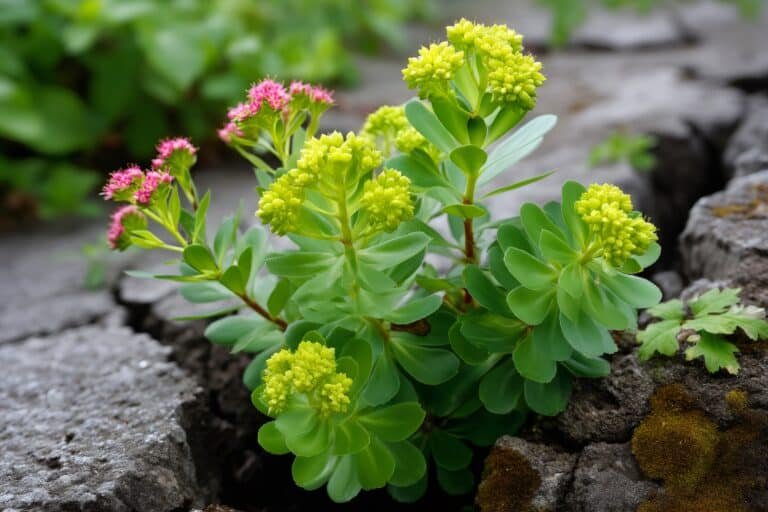
6. Rhodiola Rosea
Evidence: Multiple RCTs for stress/burnout/fatigue; 2008 pilot RCT for GAD. Mechanism: MAO inhibition, serotonin/dopamine modulation, HPA axis buffering. Dose: 200–400mg standardised extract daily. Best for: Stress-related exhaustion, burnout, mental fatigue. Read our full Rhodiola guide.
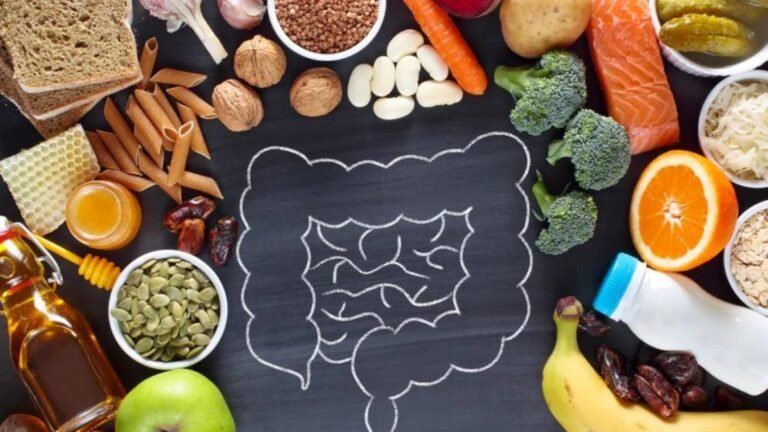
7. Probiotics (Lactobacillus helveticus R0052 + Bifidobacterium longum R0175)
Evidence: 2015 RCT in Psychopharmacology showing significant anxiety and cortisol reduction. Mechanism: Gut-brain axis — microbiome regulation of serotonin synthesis, vagal signalling, HPA axis. Best for: Anxiety with prominent digestive symptoms, post-antibiotic anxiety.
Tier 3: Promising but Limited Evidence
8. CBD (Cannabidiol)
Positive preclinical data and some human trials, including for social anxiety. Large, long-term RCTs remain limited. Regulatory status and quality control vary significantly by region. Start at 25–50mg daily if exploring.
9. Phosphatidylserine
Documented cortisol blunting effects. Anxiety-specific human RCT evidence limited. Most useful as part of a stack targeting HPA axis overactivation. Dose: 100–400mg daily.
10. Lemon Balm (Melissa officinalis)
2004 RCT in Psychosomatic Medicine showed acute anxiolytic effects. Mechanism: GABA transaminase inhibition. Evidence base smaller than Tier 1–2. Useful as a gentle daytime supplement or evening tea.
Building Your Stack
Start with Tier 1 — introduce one at a time and assess over 4 weeks before adding more:
- Foundation: Magnesium glycinate (200–400mg, evening)
- Add for chronic anxiety/cortisol: Ashwagandha KSM-66 (300mg twice daily)
- Add for acute stress/cognition: L-theanine (200mg, as needed or daily)
- Add for mood component: Saffron extract (30mg daily)
- Add for inflammation/gut: Omega-3s (2–3g EPA+DHA) + probiotics
The Bottom Line
The evidence-based anxiety supplement shortlist is much shorter than the market suggests — but the supplements that make the cut have genuine, reproducible clinical data behind them. Magnesium, ashwagandha, and L-theanine form the strongest evidence-based foundation; saffron, omega-3s, Rhodiola, and probiotics add targeted support for specific presentations. All are significantly safer and more sustainable than long-term pharmaceutical anxiolytics for appropriate use cases.
💡 Quality matters: The ranked evidence above applies to specific high-quality forms and doses. Generic, underdosed, or untested products of the same compounds may produce significantly weaker effects. Always verify third-party testing and use clinically studied extract forms.
Looking for something specific?
Search all our science-backed articles on natural anxiety relief.