By the StopAnxiety.org Research Team | Last Updated: March 2026 | 14 min read
⚠️ Medical Disclaimer: The information in this article is for educational purposes only and does not constitute medical advice. Sleep disruption and anxiety disorders are real medical conditions. Always consult a qualified healthcare provider before making changes to your sleep regimen, particularly if you have a diagnosed sleep disorder, anxiety disorder, or are currently taking medication.
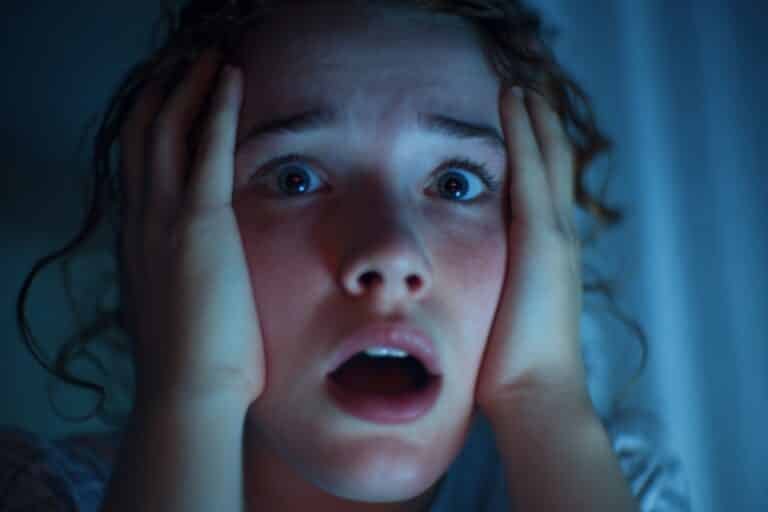
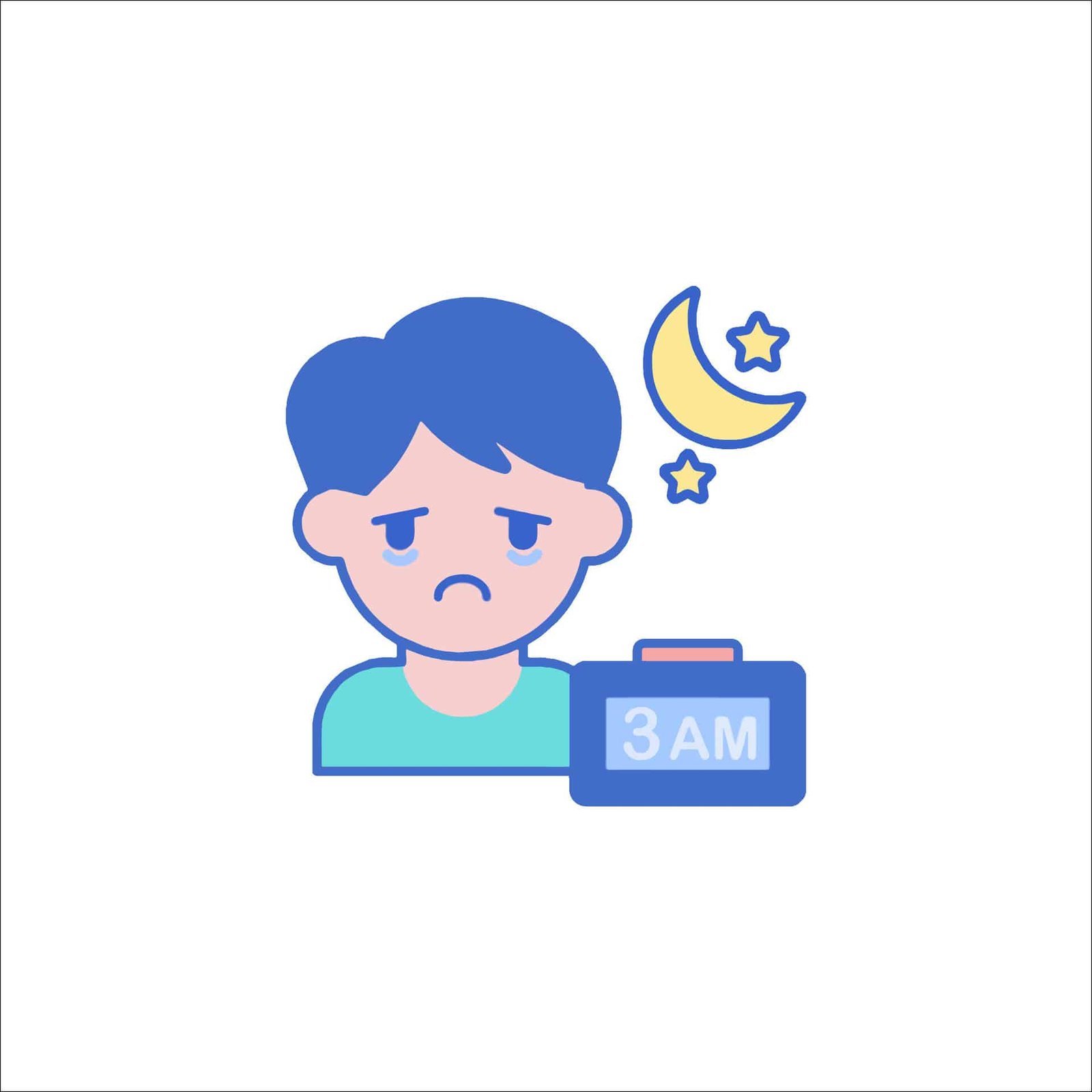
It’s 3:07 AM. You’re wide awake. The room is quiet, but your mind isn’t — and there’s that familiar creeping dread: I have to be up in four hours. Why can’t I just sleep?
If this sounds like your life, you are not broken, and you are not alone. Waking in the early hours is one of the most common sleep complaints among people with anxiety — and for good reason. The biology of why it happens is almost perfectly calibrated to trigger an anxious response. Understanding that biology is the first step to getting out of the loop.
And there is a way out. A simple, science-backed breathing technique — one that takes less than ten minutes and requires nothing except air — has shown remarkable results for people trapped in exactly this pattern. It’s called 4-7-8 breathing, and once you understand why it works, you’ll want it in your toolkit every night.
This article explains both: the biology of the 3 AM wake window, and the breathing technique that can safely guide you back to sleep.
📋 What You’ll Learn in This Article
- Why nearly everyone wakes between 1 and 3 AM — and why it hits harder if you have anxiety
- The circadian temperature shift that causes the early-morning wake window
- What happens in your nervous system when you can’t get back to sleep
- The 4-7-8 breathing technique: origins, mechanics, and the science behind it
- How to correctly practice 4-7-8 in bed at 3 AM
- Three complementary techniques to use alongside it
- When to see a doctor
🌙 The Biology of the 3 AM Wake Window
Here is something that surprises most people: waking up at 3 AM is completely normal.
Every human being moves through sleep cycles throughout the night — roughly 90-minute waves of deep sleep, lighter sleep, and brief moments of partial wakefulness. Most people surface to near-consciousness between cycles and drift right back under without ever realizing it. When you wake at 3 AM and stay awake, it’s because something during that natural lightening of sleep pulled you across the threshold into full wakefulness.
For most people, that something is temperature.
🌡️ Your Body Temperature Is a Sleep Clock
Your core body temperature follows a daily circadian rhythm — a predictable 24-hour wave controlled by your brain’s suprachiasmatic nucleus. Throughout the day, temperature rises. In the evening, it begins to fall, typically peaking around 10–11 PM before starting its descent. This temperature drop is not incidental — it’s your brain’s primary signal to release melatonin, the hormone that initiates sleep.
Research published in the Journal of Physiological Anthropology confirms that this evening temperature decline plays a direct role in sleep onset, with cooler core temperatures strongly associated with faster sleep latency and deeper slow-wave sleep. (PubMed)
Here’s where 3 AM comes in. Your temperature doesn’t keep falling all night. It reaches its lowest point — called the circadian nadir — typically somewhere between 4 and 6 AM, and then starts rising again. The period from roughly 1 to 3 AM represents the transition: your body is beginning to prepare for that reversal. Sleep architecture shifts during this window from deeper, restorative slow-wave sleep toward lighter REM and stage 1/2 sleep. You’re biologically primed to be closer to the surface.
For most people, this passes without incident. They stir, perhaps roll over, and sink back into the next sleep cycle. But for roughly 10–15% of people — particularly those with anxiety disorders or elevated baseline stress — that moment of surfacing becomes a launch pad for full wakefulness.
😠 Why Anxiety Makes the 3 AM Wake Window So Much Worse
Anxiety doesn’t just make it hard to fall asleep at night. It makes the 3 AM wake window dramatically harder to recover from — and this happens through a well-documented neurobiological mechanism.
When you’re a person with anxiety, your autonomic nervous system is already running hot. Your hypothalamic-pituitary-adrenal (HPA) axis — the system that governs your stress hormone output — tends toward hyperactivation. Cortisol, which normally reaches its daily low point around midnight and begins rising toward dawn, can rise earlier and more sharply in people with anxiety and depression. Research in the journal Psychoneuroendocrinology has shown that dysregulated nocturnal cortisol is strongly associated with early morning awakening and difficulty returning to sleep. (PubMed)
What this means practically: at 3 AM, the anxious brain is already chemically primed for alertness. And then you look at the clock.
The moment you check the time, register how many hours until your alarm, and begin mentally calculating whether you can still get enough sleep — your sympathetic nervous system engages. Heart rate ticks upward. Breathing becomes slightly shallower. The brain — which cannot distinguish between a tiger and a worry thought — begins mobilizing its fight-or-flight resources.
The more anxious you become about not sleeping, the less likely you are to sleep. It’s a feedback loop with cruel efficiency.
Reaching for your phone makes it worse. Blue-spectrum light suppresses melatonin production by signaling to the suprachiasmatic nucleus that it’s daytime. Research in the Proceedings of the National Academy of Sciences showed that evening blue light exposure delays the melatonin peak by up to 1.5 hours and shifts circadian rhythms forward. (PubMed) At 3 AM, that’s not a delay you can afford.
To get back to sleep, you need to reverse the direction of your nervous system. And that’s exactly what 4-7-8 breathing is designed to do.
🌬️ What Is 4-7-8 Breathing?
The 4-7-8 technique is a structured breathing pattern: inhale through the nose for 4 counts, hold the breath for 7 counts, exhale slowly through the mouth for 8 counts. Repeat.
It was popularized by Dr. Andrew Weil, a Harvard-trained physician and founder of the Arizona Center for Integrative Medicine, who described it as a natural calming tool for the nervous system. But its roots are considerably older — the technique is derived from pranayama, the ancient yogic science of breath regulation practiced in India for more than 3,000 years.
🧪 How 4-7-8 Breathing Works: The Physiology
The technique produces its calming effects through several overlapping mechanisms:
1. Vagal Activation via Extended Exhalation
Your heart rate naturally speeds up slightly when you inhale and slows when you exhale — a phenomenon called respiratory sinus arrhythmia. The longer the exhalation relative to inhalation, the more powerfully this effect is amplified. Extended exhalation directly stimulates the vagus nerve, the primary driver of parasympathetic nervous system activity. Vagal activation slows heart rate, lowers blood pressure, and shifts the body out of fight-or-flight. For a deep dive on this, see our article: The Vagus Nerve: Natural Relief for Anxiety.
2. Carbon Dioxide Regulation and Anxiolytic Effects
The breath hold in the 4-7-8 pattern allows CO2 to accumulate in the bloodstream. At moderate levels, elevated CO2 activates GABA receptors and has documented anti-anxiety effects. Research shows that anxious individuals often over-breathe, chronically lowering CO2 and perpetuating anxiety symptoms through a cycle of hyperventilation. (PubMed)
3. Slowing the Breathing Rate Reduces Sympathetic Drive
Normal resting breathing is 12–20 breaths per minute. The 4-7-8 pattern reduces this to around 3–4 breaths per minute during practice. Research consistently shows that slow breathing (under 6 breaths per minute) activates the baroreflex, increases heart rate variability (HRV), and reduces sympathetic nervous system activity. A 2018 study in Frontiers in Human Neuroscience confirmed that slow-paced breathing improves HRV and reduces self-reported stress and anxiety. (PubMed)
4. The Focus Effect
Counting — 4 counts in, hold for 7, 8 counts out — requires just enough cognitive engagement to redirect attention away from anxiety-generating rumination without activating the kind of effortful thinking that keeps you awake. It occupies the anxious mind with something rhythmic and absorbing. This is not trivial: rumination and intrusive thoughts are among the primary drivers of sleep maintenance insomnia.
📚 What the Research Shows
A systematic review published in Frontiers in Sleep examined six randomized controlled trials on breathing exercises for sleep and found consistent improvements in sleep quality, particularly for people with insomnia and subclinical sleep difficulties. Breathing-based interventions reduced both sleep onset latency and early morning awakening. (PubMed)
A separate meta-analysis in the Journal of Clinical Medicine found that slow breathing exercises significantly reduced anxiety, with effect sizes comparable to pharmacological interventions in mild-to-moderate anxiety. (PubMed)
🛏️ How to Do 4-7-8 Breathing at 3 AM
When you wake in the early hours, your instinct may be to fight the wakefulness — to force yourself back to sleep. That approach almost always backfires. The goal is to lower your heart rate, ease the grip of your nervous system, and create the conditions for sleep to return on its own.
🚫 Step 1: Don’t Look at the Clock
The moment you see the time, you activate the calculating, worrying part of your brain. Turn your phone face-down before bed. If you have a bedside clock, consider covering it.
🛏️ Step 2: Stay in Bed if Possible
Getting up raises your heart rate and increases light exposure. Unless you genuinely need the bathroom, remain lying down. If you feel an urge to urinate, try rolling onto your back and waiting 30 seconds — many people find the urge passes, particularly if they’ve been sleeping on their side, which compresses the bladder slightly and can create a false urgency signal.
💨 Step 3: Begin 4-7-8 Breathing
Position yourself comfortably on your back. Rest your hands on your abdomen if you like — feeling your breath can help ground your attention.
- Inhale through your nose for 4 counts. Breathe gently, not forcefully. Let your belly rise.
- Hold your breath for 7 counts. Stay relaxed — don’t clench.
- Exhale slowly through your mouth for 8 counts. Let the breath flow out gently, like a long quiet sigh.
That’s one round. Aim for 10–20 rounds. You can keep count by gently extending a finger after each round.
The ratio (4:7:8) matters more than absolute speed. If 7 counts feels too long at first, start with a 4:4:6 ratio and work toward the full pattern over several nights.
💡 Important note: You may not feel yourself getting sleepy during the practice. That’s normal and expected. The technique works by shifting your autonomic state — sleep often arrives after you stop counting, not during. The goal is calm, not immediate unconsciousness.
🧰 Three Techniques to Use Alongside 4-7-8
1. 💪 Progressive Muscle Relaxation (PMR)
PMR is one of the most well-studied behavioral interventions for insomnia. The technique involves systematically tensing and releasing muscle groups throughout the body — calves, feet, thighs, abdomen, hands, arms, shoulders — holding tension for about 5 seconds, then releasing completely. The release phase activates a rebound parasympathetic response that produces measurable physical relaxation. A 2019 meta-analysis in Sleep Medicine Reviews confirmed PMR’s effectiveness for reducing both sleep onset insomnia and early morning awakening. (PubMed)
You can practice PMR alongside 4-7-8 breathing — tension on the hold phase, release on the exhale — or alternate between the two.
2. 🧩 Cognitive Shuffling
Cognitive shuffling is a technique developed by cognitive scientist Luc Beaulieu-Prévost. It works by deliberately generating random, unconnected mental images — mimicking the hypnagogic thought patterns the brain naturally produces as it drifts toward sleep onset. By scrambling the narrative thread of anxious thinking, it signals to the brain that sustained wakefulness is no longer necessary.
A simple way to practice: pick a random word (say, “lantern”), then slowly visualize one object for each letter — a Lighthouse, an Apple, a Notebook, a Tiger, an Egg, a River, a Needle. Let each image drift in vividly before moving to the next. Don’t force connection between them.
3. 🧘 Body Scan
A body scan involves slowly moving your attention through different parts of your body from feet to head, observing sensation without judgment. The key is passive attention — you’re noticing, not doing. This deactivates the brain’s rumination circuits and promotes the kind of diffuse, receptive awareness associated with sleep onset. Research on Mindfulness-Based Stress Reduction (MBSR), which includes body scan as a core component, shows significant improvements in sleep quality and reduction in anxiety among people with generalized anxiety disorder. (PubMed)
📵 What to Avoid at 3 AM
Equally important to what you do is what you don’t do. These common responses to middle-of-the-night waking actively make it harder to fall back asleep:
- 📱 Checking your phone. Blue-spectrum light suppresses melatonin and signals your brain that it’s morning. Social media and news activate the brain’s alerting circuitry. Leave the phone alone.
- 💡 Turning on bright lights. If you need to get up, use dim, warm-colored light only. Bright white or cool light resets your circadian phase.
- 🍺 Drinking alcohol before bed. Alcohol fragments sleep architecture and worsens early morning awakening, despite feeling sedating initially. (PubMed)
- ⏰ Watching the clock. Even once. Commit before you go to bed: the clock is off limits.
- 🧠 Forcing sleep. Sleep cannot be commanded. Trying to force unconsciousness produces the opposite effect — redirect your effort toward calm, not sleep itself.
😌 If You Still Can’t Sleep
One night of broken sleep is not a medical emergency. The anxious mind tends to catastrophize sleeplessness — which, ironically, makes the next night harder. Genuine sleep deprivation effects require multiple consecutive nights of significant disruption; a single wakeful episode at 3 AM does not meaningfully impair function the following day in healthy adults.
Even if you don’t return to sleep, lying quietly in a dark room with slow breathing provides measurable physiological recovery. Researchers call this non-sleep deep rest (NSDR) — a state of relaxed wakefulness that restores the nervous system, reduces cortisol, and supports cognitive function even without actual sleep.
The goal at 3 AM is not to demand sleep. It’s to create the quietest possible conditions in your body and mind, and then let your biology do the rest. For more on building a sleep-supportive foundation, see our complete guide to sleep and anxiety.
🏥 When to See a Doctor
Occasional early morning waking is normal and manageable with the techniques above. But some patterns warrant professional evaluation:
- You wake at 3 AM or earlier consistently, four or more nights per week
- You cannot fall asleep at all, or take more than 45 minutes most nights
- Daytime fatigue is significantly affecting your work, relationships, or safety
- You snore loudly, wake gasping, or your partner notices you stop breathing — these are signs of obstructive sleep apnea
- Early waking is accompanied by persistent low mood, loss of interest, or hopelessness — early morning awakening is a hallmark symptom of major depression
A physician or sleep specialist can assess whether an underlying condition is driving your disruption and connect you with targeted treatments including Cognitive Behavioral Therapy for Insomnia (CBT-I) — which has the strongest evidence base of any insomnia treatment and outperforms sleep medications in long-term outcomes.
🔗 Related Reading on StopAnxiety.org
- Sleep and Anxiety: The Complete Guide to Natural Sleep Optimization
- The Vagus Nerve: Natural Relief for Anxiety
- How to Stop a Panic Attack: 5 Techniques That Actually Work
- 7 Science-Backed Natural Ways to Overcome Anxiety
- Magnesium Glycinate for Anxiety
📥 Want our complete natural anxiety toolkit? Download 7 Natural Ways to Stop Anxiety — our most comprehensive free resource. No fluff, no upsells — just the best tools we’ve found, explained clearly. → Yes, Send Me the Free Guide
📚 References
- Kräuchi K, et al. (2012). The relationship between sleep initiation and skin temperature. Journal of Physiological Anthropology. https://pubmed.ncbi.nlm.nih.gov/22738673/
- Pruessner JC, et al. (2003). Burnout, perceived stress, and cortisol responses to awakening. Psychoneuroendocrinology. https://pubmed.ncbi.nlm.nih.gov/14642727/
- Chang AM, et al. (2015). Evening use of light-emitting eReaders negatively affects sleep. PNAS. https://pubmed.ncbi.nlm.nih.gov/25535358/
- Jerath R, et al. (2006). Physiology of long pranayamic breathing. Medical Hypotheses. https://pubmed.ncbi.nlm.nih.gov/11515214/
- Zaccaro A, et al. (2018). How breath-control can change your life. Frontiers in Human Neuroscience. https://pubmed.ncbi.nlm.nih.gov/30245631/
- Basso JC, et al. (2022). Breathing exercises and sleep quality. Frontiers in Sleep. https://pubmed.ncbi.nlm.nih.gov/36340136/
- Hamasaki H. (2020). Effects of diaphragmatic breathing on health. Journal of Clinical Medicine. https://pubmed.ncbi.nlm.nih.gov/32630348/
- Ong JC, et al. (2019). Progressive muscle relaxation for insomnia. Sleep Medicine Reviews. https://pubmed.ncbi.nlm.nih.gov/31003962/
- Winbush NY, et al. (2015). Mindfulness-based stress reduction for sleep disturbances. Explore. https://pubmed.ncbi.nlm.nih.gov/25686304/
- Ebrahim IO, et al. (2013). Alcohol and sleep. Alcoholism: Clinical & Experimental Research. https://pubmed.ncbi.nlm.nih.gov/23347102/
⚠️ Medical Disclaimer: This article is for informational purposes only and does not constitute medical advice. Always consult a qualified healthcare provider before making changes to your sleep or health regimen, particularly if you have a diagnosed sleep disorder, anxiety disorder, or are currently taking medication.
❓ Frequently Asked Questions
Why do I keep waking up at 3 AM?
Waking at 3 AM is caused by a natural shift in your circadian rhythm. Around 1–3 AM, your body temperature begins rising from its nightly low point, pushing sleep architecture from deep slow-wave sleep into lighter REM and stage 1/2 sleep. For people with anxiety, elevated cortisol makes it much harder to drift back to sleep during this window.
What is 4-7-8 breathing and does it really work?
4-7-8 breathing is a structured technique: inhale for 4 counts, hold for 7, exhale for 8. It works by stimulating the vagus nerve through extended exhalation, elevating CO2 to activate GABA receptors, and slowing breathing rate to shift the nervous system from fight-or-flight into parasympathetic (rest-and-digest) mode. Clinical research supports breathwork as an effective intervention for insomnia and anxiety.
How do I stop my mind from racing at 3 AM?
The most effective approach is to avoid checking the time, stay in bed, and immediately begin 4-7-8 breathing for 10–20 rounds. You can combine this with progressive muscle relaxation or cognitive shuffling — a technique that generates random mental images to interrupt anxious rumination. The goal is nervous system calm, not forced sleep.
Is waking at 3 AM a sign of anxiety?
It can be. People with anxiety have a hyperactive HPA axis that produces cortisol earlier than normal, priming the brain for alertness during the natural 1–3 AM light-sleep window. However, early morning waking is also associated with depression, sleep apnea, and other conditions. If it happens four or more nights per week, consult a healthcare provider.
What should I avoid when I wake up in the middle of the night?
Avoid looking at your phone (blue light suppresses melatonin), checking the clock, turning on bright lights, getting out of bed unnecessarily, and forcing yourself to sleep. All of these raise heart rate or activate the sympathetic nervous system, making it significantly harder to return to sleep.
Looking for something specific?
Search all our science-backed articles on natural anxiety relief.