
⚠️ Medical Disclaimer: This article is for informational purposes only and does not constitute medical advice.
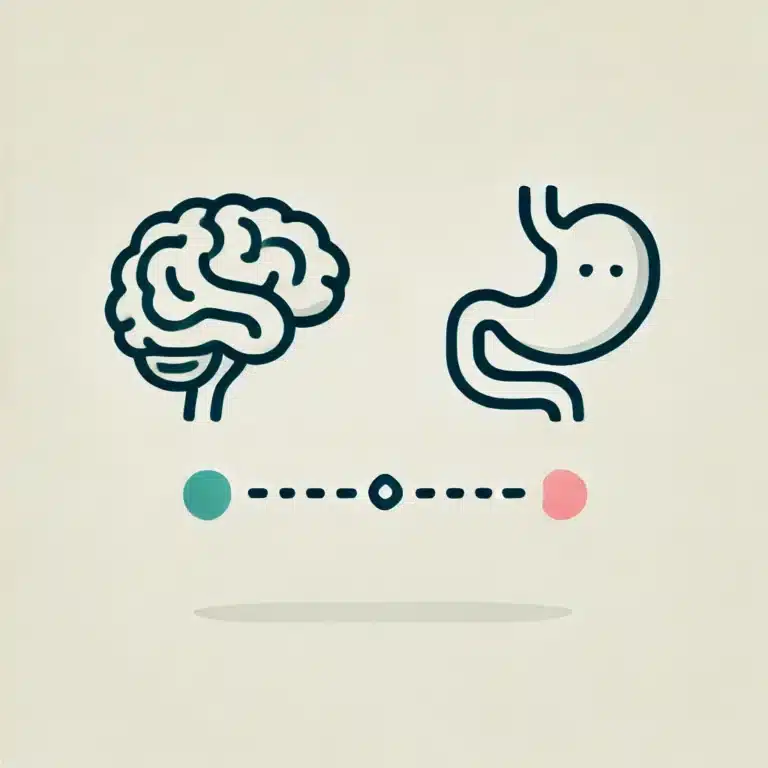
The gut-brain axis is one of the most significant discoveries in modern neuroscience — a bidirectional communication network connecting the gastrointestinal system directly to the brain through neural, hormonal, and immunological pathways. Far from being merely a digestive organ, the gut plays a central role in regulating mood, stress response, and anxiety. Understanding how it does so opens up practical, evidence-based approaches to anxiety management that purely psychological treatments miss.
The Scale of the Connection
The enteric nervous system — the gut’s own intrinsic neural network — contains approximately 500 million neurons, more than either the spinal cord or the peripheral nervous system. It can operate entirely independently of the central nervous system, regulating digestion without any brain input. But it is in constant communication with the brain through four primary pathways: the vagus nerve, the HPA axis, the immune system, and the enteric serotonin system.
Pathway 1: The Vagus Nerve
The vagus nerve is the primary anatomical highway of the gut-brain axis. Approximately 80–90% of its fibres are afferent — running from the gut upward to the brainstem, carrying information about the gut’s chemical environment, microbial composition, and inflammatory state directly to brain regions governing mood and stress. Research in the Journal of Psychiatry and Neuroscience (2012) established the vagal pathway as the primary route through which gut microbiome composition influences brain function and mood. This explains why vagus nerve health — which can be improved through breathwork, cold exposure, and exercise — also supports gut-brain communication. See our vagus nerve guide.
Pathway 2: Serotonin — Made in the Gut
Approximately 90–95% of the body’s serotonin is produced in the gut, primarily by enterochromaffin cells in the intestinal lining. Gut microbiome composition directly regulates this serotonin production — certain bacterial strains (particularly Clostridia species) are necessary for normal intestinal serotonin synthesis. Research published in Cell (2015) demonstrated that germ-free mice (without gut bacteria) showed dramatically reduced serotonin levels and altered anxiety behaviour — and that colonising them with appropriate bacteria restored both. Gut dysbiosis doesn’t just affect digestion; it directly reduces the substrate available for the neurotransmitter system most closely associated with mood and anxiety.
Pathway 3: The HPA Axis and Cortisol
The gut microbiome directly regulates hypothalamic-pituitary-adrenal (HPA) axis activity — the body’s central stress response system. A landmark study in Gastroenterology (2011) found that germ-free mice showed dramatically exaggerated cortisol responses to stress — and that colonising them with Lactobacillus rhamnosus normalised their stress response. This demonstrated direct microbial regulation of the cortisol axis and established the microbiome as a meaningful modulator of anxiety biology.
Pathway 4: The Immune-Inflammation Route
The gut contains approximately 70% of the body’s immune cells. When the gut microbiome is disrupted, intestinal permeability increases — a phenomenon sometimes called “leaky gut” — allowing bacterial products including lipopolysaccharide (LPS) to enter systemic circulation. LPS triggers immune activation and produces systemic inflammation that crosses the blood-brain barrier, impairing neurotransmitter function and driving neuroinflammation. Research in Brain, Behavior, and Immunity (2012) documented this pathway from gut dysbiosis through intestinal permeability to neuroinflammation to anxiety behaviour. See our inflammation guide.
What Disrupts the Gut-Brain Axis
- Antibiotic use — dramatically reduces microbiome diversity; associated with increased anxiety risk
- High-sugar, ultra-processed diet — reduces beneficial bacterial species and increases inflammatory strains
- Chronic psychological stress — directly disrupts gut motility, increases intestinal permeability, and alters microbiome composition through cortisol and catecholamine effects on the gut environment
- Sedentary lifestyle — exercise is strongly associated with greater microbiome diversity
- Insufficient dietary fibre — prebiotic fibre feeds beneficial bacteria; deficiency reduces their populations
- Alcohol and NSAIDs — both increase intestinal permeability
Clinical Evidence: Gut Interventions Reducing Anxiety
Psychobiotics
A 2015 randomised controlled trial in Psychopharmacology found that Lactobacillus helveticus R0052 combined with Bifidobacterium longum R0175 significantly reduced anxiety scores and 24-hour urinary cortisol compared to placebo after 30 days. This is the most cited trial establishing probiotics as a legitimate anxiety intervention. The specific strains matter — not all probiotics have this evidence.
Mediterranean Diet
The SMILES trial published in BMC Medicine (2017) found dietary intervention (Mediterranean pattern) produced significantly greater anxiety and depression improvement than social support alone over 12 weeks. The diet’s high fibre, polyphenols, omega-3s, and fermented foods all support microbiome diversity and reduce gut inflammation.
Fermented Foods
A 2021 randomised trial published in Cell found that a high-fermented-food diet (kefir, kimchi, kombucha, yoghurt, fermented vegetables) significantly increased microbiome diversity and reduced 19 inflammatory proteins over 10 weeks — with effects stronger than a high-fibre diet alone.
Signs Your Gut May Be Contributing to Your Anxiety
- Anxiety that is consistently accompanied by digestive symptoms (bloating, IBS, nausea, altered bowel habits)
- Anxiety that worsened significantly after a course of antibiotics or a gastrointestinal illness
- Anxiety that fluctuates noticeably with diet — better when eating well, worse after processed food or alcohol
- Anxiety that began or worsened alongside a period of high stress (which directly disrupts gut health)
- Anxiety that hasn’t fully responded to psychological interventions alone
Practical Steps to Improve Gut-Brain Health
- Targeted probiotics: Look for formulations containing Lactobacillus helveticus R0052 and Bifidobacterium longum R0175 — the strains with the most anxiety-specific clinical evidence
- Daily fermented foods: Kefir, plain yoghurt with live cultures, kimchi, sauerkraut, kombucha — aim for at least one serving per day
- Prebiotic fibre: Feed beneficial bacteria with onions, garlic, leeks, asparagus, oats, and legumes
- Mediterranean diet pattern: The most evidence-backed dietary approach for both gut health and mental health
- Reduce ultra-processed foods: Emulsifiers in processed foods (polysorbate 80, carboxymethylcellulose) directly disrupt microbiome composition
- Omega-3 fatty acids: EPA and DHA reduce gut inflammation and support intestinal barrier integrity
- Manage stress: Psychological stress disrupts gut health directly through cortisol and catecholamine effects — vagal exercises, breathwork, and adaptogens all support both nervous system and gut health simultaneously. See our nervous system reset guide
The Bottom Line
The gut-brain axis is not a fringe concept — it is mainstream neuroscience, supported by some of the most interesting research in psychiatry over the past decade. The gut microbiome directly regulates serotonin synthesis, cortisol response, vagal signalling, and systemic inflammation — all of which profoundly affect anxiety. Addressing gut health through diet, targeted probiotics, and fermented foods is a legitimate and underutilised component of comprehensive anxiety management.
💡 Key research: The most accessible entry point to the gut-brain axis literature is the 2012 review in the Journal of Psychiatry and Neuroscience — a landmark paper establishing the gut microbiome as a genuine modulator of brain function and mental health.
❓ Frequently Asked Questions
What is the gut-brain axis?
The gut-brain axis is a bidirectional communication network connecting the gastrointestinal tract and the brain via the vagus nerve, enteric nervous system, immune system, and the metabolites and neurotransmitters produced by gut microbiota. It allows the gut and brain to continuously influence each other’s function, including mood and anxiety.
How does the gut affect anxiety through the gut-brain axis?
The gut influences anxiety through multiple pathways: producing approximately 90% of the body’s serotonin, synthesizing GABA, communicating directly with the brain via vagal afferent fibers, regulating systemic inflammation through immune signaling, and producing short-chain fatty acids that influence neuroplasticity and mood.
What disrupts the gut-brain axis?
Major disruptors include gut dysbiosis (imbalanced microbiome), intestinal permeability (leaky gut), chronic stress (which alters gut motility and microbiome composition), antibiotic overuse, a low-fiber/high-processed-food diet, chronic alcohol consumption, and sleep deprivation — all of which also worsen anxiety.
Can probiotics help anxiety through the gut-brain axis?
Yes. Specific probiotic strains — particularly Lactobacillus and Bifidobacterium species — have shown anxiety-reducing effects in clinical trials. A 2019 meta-analysis found probiotic interventions significantly reduced anxiety symptoms. The evidence is most robust for multi-strain formulas containing L. helveticus and B. longum.
How do I improve my gut-brain axis for better mental health?
Key strategies include a diverse, fiber-rich diet (feeding beneficial bacteria), regular fermented food consumption (yogurt, kefir, kimchi, sauerkraut), targeted probiotics if indicated, stress management (which directly affects gut motility), quality sleep, and reducing gut disruptors like processed foods, alcohol, and unnecessary antibiotics.
Looking for something specific?
Search all our science-backed articles on natural anxiety relief.